
High Protein Weight Loss Snacks That Actually Work

High protein weight loss snacks are defined as snacks delivering 15–20 grams of protein per serving, enough to trigger satiety hormones, preserve muscle, and keep your calorie deficit intact. Protein burns 20–30% of its own calories during digestion, compared to just 5–10% for carbohydrates. That metabolic edge makes protein the most efficient macronutrient for weight loss. Pair it with fiber and you get a snack that genuinely holds you over. The options below are ranked by practicality, protein content, and real-world convenience for busy Americans.
1. Greek yogurt with berries
Plain Greek yogurt delivers 15–20 grams of protein per serving with no added sugar. That combination of protein and natural dairy cultures supports both satiety and gut health. Adding a handful of blueberries or strawberries brings fiber into the mix, which slows digestion and reduces hunger later in the day. My go to greek yogurt bowl is some yogurt topped with a diced apple, some protein granola, and a drizzle of peanut butter.
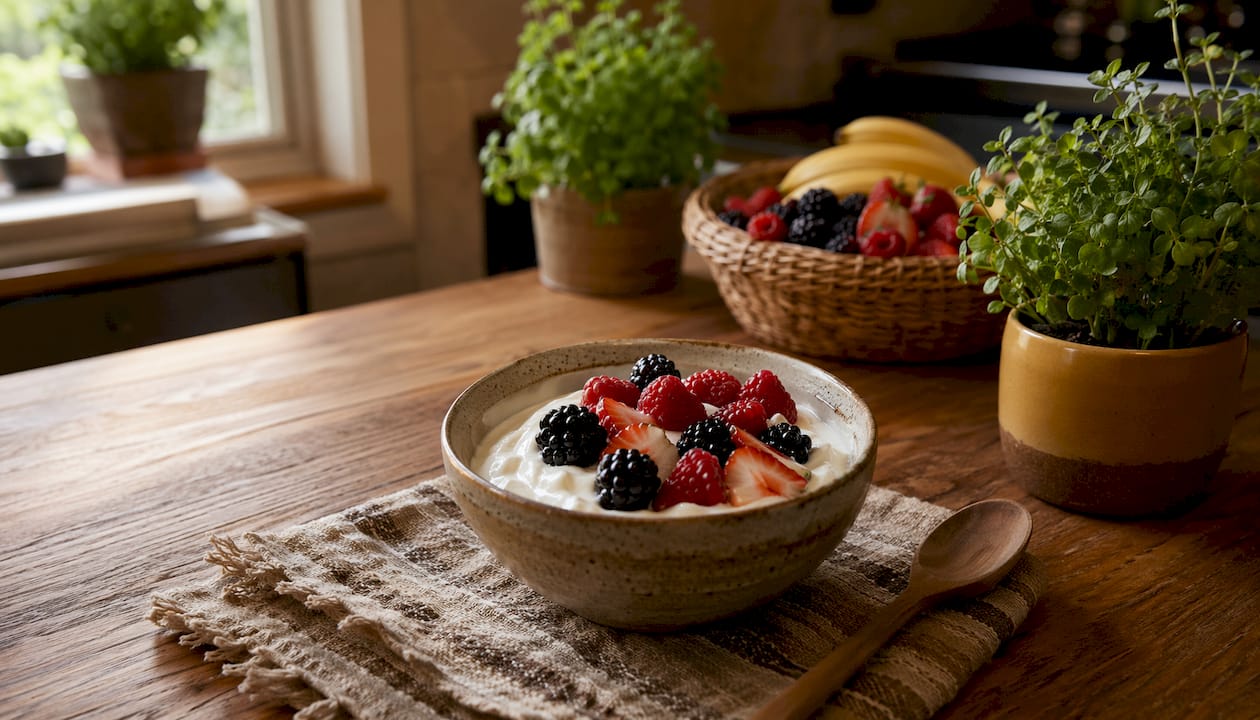
Pro Tip: Freeze a portion of Greek yogurt with berries in a small container the night before. It thaws by mid-morning and feels like a treat without the sugar spike.
2. Canned light tuna packets
Canned light tuna is one of the most efficient protein snacks available. A 3-ounce serving provides 16 grams of protein for only 80 calories. That protein-to-calorie ratio is hard to beat in a shelf-stable, portable format. Single-serve foil packets require no refrigeration and no prep. Eat tuna straight from the packet, mix it with mustard on rice cakes, or pair it with sliced cucumber for a low calorie high protein snack that travels anywhere.
3. Hard-boiled eggs
Two hard-boiled eggs provide roughly 12 grams of complete protein, all nine essential amino acids, and a meaningful dose of choline for brain function. They cost less than almost any packaged protein snack on the market. Batch-cook a dozen on Sunday and you have grab-and-go protein snacks for the entire week. Eggs also contain leucine, the amino acid most responsible for triggering muscle protein synthesis. That matters when you are eating in a deficit and want to hold onto lean mass.
4. Edamame
Half a cup of shelled edamame delivers around 9 grams of plant-based protein along with a solid amount of fiber. The fiber-protein combination is exactly what you want in a low sugar snack for weight loss. Edamame is one of the few plant foods that qualifies as a complete protein, meaning it contains all essential amino acids. Buy it frozen, microwave it in two minutes, and season with a pinch of sea salt. It is filling, inexpensive, and works as a mid-afternoon snack without spiking blood sugar. My go to edamame recipe is buy frozen and microwave, then toss in a frying pan with a little coconut oil, garlic salt, and crisp it up a little. Then drizzle with a little sweet chili sauce.
5. Cottage cheese with vegetables or fruit
Cottage cheese provides around 12 grams of protein per half-cup serving and is one of the richest food sources of casein protein. Casein digests slowly, which means it keeps you full longer than faster-digesting proteins. Pair it with sliced bell peppers, cherry tomatoes, or pineapple chunks to add fiber and volume without many extra calories. The calcium in cottage cheese also supports bone health during weight loss, when bone density can quietly decline. Low-fat versions keep calories in check without sacrificing protein content.
6. Turkey or chicken roll-ups
Lean deli turkey or chicken breast rolled around a slice of avocado or a strip of roasted red pepper makes a fast, satisfying snack. Three to four slices of lean turkey deliver roughly 10–12 grams of protein with minimal fat and very few calories. The key is choosing low-sodium options, since many deli meats carry high sodium loads that cause water retention. Look for brands with fewer than 400 milligrams of sodium per serving. Add a few baby spinach leaves inside the roll for extra fiber and micronutrients.
7. Roasted chickpeas
Roasted chickpeas offer a crunchy, satisfying texture that most high protein snacks lack. A half-cup serving provides around 7–8 grams of protein and a meaningful amount of fiber. They are shelf-stable, easy to batch-roast at home with olive oil and spices, and far more filling than crackers or chips. The fiber in chickpeas feeds beneficial gut bacteria, which supports digestion and reduces bloating. Season them with smoked paprika, garlic powder, or cumin to keep things interesting without adding sugar or excess sodium.
8. String cheese with an apple
String cheese paired with a medium apple is a textbook protein-plus-fiber combination. One stick of part-skim mozzarella provides about 7 grams of protein and 80 calories. The apple adds roughly 4 grams of fiber and natural sweetness that satisfies a sugar craving without derailing your macros. This pairing is particularly useful for people who snack out of boredom rather than genuine hunger. The act of peeling and eating the cheese slowly extends the snack experience, which helps the brain register fullness.
9. Skyr
Skyr is an Icelandic-style cultured dairy product with a protein density that rivals Greek yogurt. A single serving typically contains 17–20 grams of protein with very low fat and minimal natural sugar. It has a thicker, creamier texture than most yogurts, which makes it feel more indulgent than its nutrition label suggests. Plain skyr works well as a base for a quick snack bowl with nuts and berries. It is now widely available at major American grocery chains including Whole Foods and Trader Joe’s.
10. Air-fried tofu cubes
Air-fried tofu is one of the best plant-based protein snacks for weight loss. A half-cup of firm tofu provides around 10 grams of protein and stays well under 100 calories. The air fryer gives it a crispy exterior that makes it genuinely enjoyable to eat, not just nutritionally acceptable. Season with soy sauce, garlic, and a touch of sesame oil before air-frying. Plant-based proteins like tofu contain lower leucine levels than animal proteins, so eating a slightly larger portion maximizes muscle protein synthesis.
Smart choices for packaged protein snacks
Packaged protein snacks fill a real gap when whole foods are not practical. The best options are minimally processed, contain 15–20 grams of protein, and keep added sugars low. Minimally processed snacks provide higher satiety and fewer unpleasant side effects than heavily engineered alternatives.
The main pitfall with packaged options is hidden ingredients. Processed protein bars may contain added sugars and sugar alcohols that cause bloating and add calories you did not plan for. Sugar alcohols like maltitol and sorbitol are common culprits. They appear in “low sugar” labels but can cause significant gastrointestinal discomfort, which makes sticking to your eating plan harder.
When choosing packaged snacks, apply these filters:
-
Protein content: At least 15 grams per serving
-
Added sugar: Under 15 grams per serving
-
Ingredient list: Fewer than 10 ingredients, all recognizable
-
Sodium: Under 450 milligrams per serving
-
Sugar alcohols: Avoid maltitol and sorbitol if you are sensitive to bloating
Pro Tip: Read the “Total Sugars” and “Added Sugars” lines separately on the nutrition label. A bar with 12 grams of total sugar but 0 grams of added sugar is very different from one with 12 grams of added sugar.
Treat packaged snacks as a backup, not a foundation. Whole foods like eggs, tuna, and Greek yogurt deliver better satiety per calorie and fewer unwanted side effects.
How to choose and combine snacks for maximum results
The right snack strategy does more than fill a gap between meals. It actively supports your calorie deficit, preserves muscle, and prevents the kind of mindless eating that quietly stalls weight loss.
Targeting 10–20 grams of protein per snack optimizes muscle protein synthesis without adding unnecessary calories. Going above that range in a single snack does not provide more muscle-building benefit. It just adds calories.
Follow these principles when building your snack routine:
-
Pair protein with fiber. Combining protein with fiber-rich foods like berries, vegetables, or whole grains increases snack volume and extends fullness without adding many calories.
-
Match snack size to genuine hunger. Eating a full snack out of habit rather than hunger creates snack inflation. Overconsumption of calories in snacks, even high-protein ones, can sabotage weight loss.
-
Time snacks around activity. A protein snack within two hours of exercise supports muscle repair and reduces soreness.
-
Track at least occasionally. You do not need to log every meal forever, but periodic calorie tracking reveals patterns you would otherwise miss.
-
Limit snacks to one or two per day. More than two snacks daily often signals a meal that is not filling enough, not genuine hunger.
Protein is a tool to reduce excess calorie intake by promoting fullness when paired with fiber. It is not a standalone weight loss solution. The calorie deficit still has to be there.
Low calorie options for plant-based and special diets
High protein snacking works across a wide range of dietary preferences. The key is knowing which options deliver adequate protein without excess calories or ingredients that cause discomfort.
Plant-based options:
-
Edamame (9g protein per half-cup, complete amino acid profile)
-
Air-fried tofu (10g protein per half-cup, versatile seasoning)
-
Roasted chickpeas (7–8g protein per half-cup, high fiber)
Low calorie animal-based options:
-
Canned light tuna (16g protein, 80 calories per 3-ounce serving)
-
Hard-boiled eggs (12g protein for two eggs, under 160 calories)
-
Lean turkey slices (10–12g protein, under 100 calories for 3–4 slices)
Gut-friendly considerations:
Snacks without sugar alcohols reduce bloating and support weight loss adherence. Gut health affects how consistently you can follow an eating plan. A snack that causes bloating or discomfort is one you will eventually stop eating, regardless of its protein content.
| Snack | Protein | Best for |
|---|---|---|
| Canned tuna packet | 16g | Low calorie, portable |
| Plain Greek yogurt | 15–20g | Gut health, low sugar |
| Edamame (half-cup) | 9g | Plant-based, fiber-rich |
| Hard-boiled eggs (2) | 12g | Affordable, portable |
| Air-fried tofu | 10g | Plant-based, low carb |
Pro Tip: Prep a weekly snack box on Sunday. Portion out hard-boiled eggs, edamame, and turkey roll-ups into individual containers. When hunger hits, you grab a box instead of reaching for whatever is convenient.
For low-carb or ketogenic approaches, eggs, tuna, cottage cheese, and turkey slices all fit naturally. They are low in carbohydrates, high in protein, and carry minimal impact on blood sugar or insulin. Pair them with non-starchy vegetables like celery, cucumber, or bell pepper strips to add volume and crunch without carbs.
Key takeaways
The most effective protein snacks for weight loss deliver 15–20 grams of protein per serving, pair naturally with fiber, and fit within a daily calorie deficit without hidden sugars or additives.
| Point | Details |
|---|---|
| Target 15–20g protein per snack | This range triggers satiety hormones and supports muscle preservation during a calorie deficit. |
| Always pair protein with fiber | Combining protein with vegetables, fruit, or whole grains extends fullness and reduces later calorie intake. |
| Avoid sugar alcohols in packaged snacks | Maltitol and sorbitol cause bloating and hidden calories that quietly undermine your progress. |
| Whole foods outperform packaged options | Eggs, tuna, and Greek yogurt deliver better satiety per calorie than most processed protein bars. |
| Track snacks to prevent snack inflation | Even healthy snacks add up. Periodic calorie tracking prevents unplanned surplus eating. |
What we have learned from years of high-protein snacking
We started Bell's Protein Pantry because we kept running into the same problem. The snacks that were good for you tasted like cardboard. The ones that tasted good were loaded with sugar and barely any protein. That gap is not just frustrating. It is the reason so many people give up on eating well.
What we have found, both in our own kitchen and from the people we hear from every day, is that taste and adherence are inseparable. You can have the most nutritionally perfect snack on paper, but if you dread eating it, you will not stick with it. The high-protein banana bread we developed came directly from that frustration. We wanted something that felt like a real food choice, not a compromise.
The other thing we have learned is that portion awareness matters more than most people realize. A snack that is technically healthy can still stall your progress if you eat three servings without noticing. We see this most often with nuts, protein bars, and even Greek yogurt when people add granola. The snack itself is fine. The portion is the problem.
Our honest advice: build your snack routine around two or three options you genuinely enjoy, prep them in advance, and treat packaged snacks as a backup rather than a habit. Consistency beats perfection every time.
— Bell’s
Bell's Protein Pantry makes high-protein snacking easier
We built Bell's Protein Pantry for exactly the kind of person reading this article. Someone who wants real food, real protein, and real flavor without spending an hour in the kitchen every day.
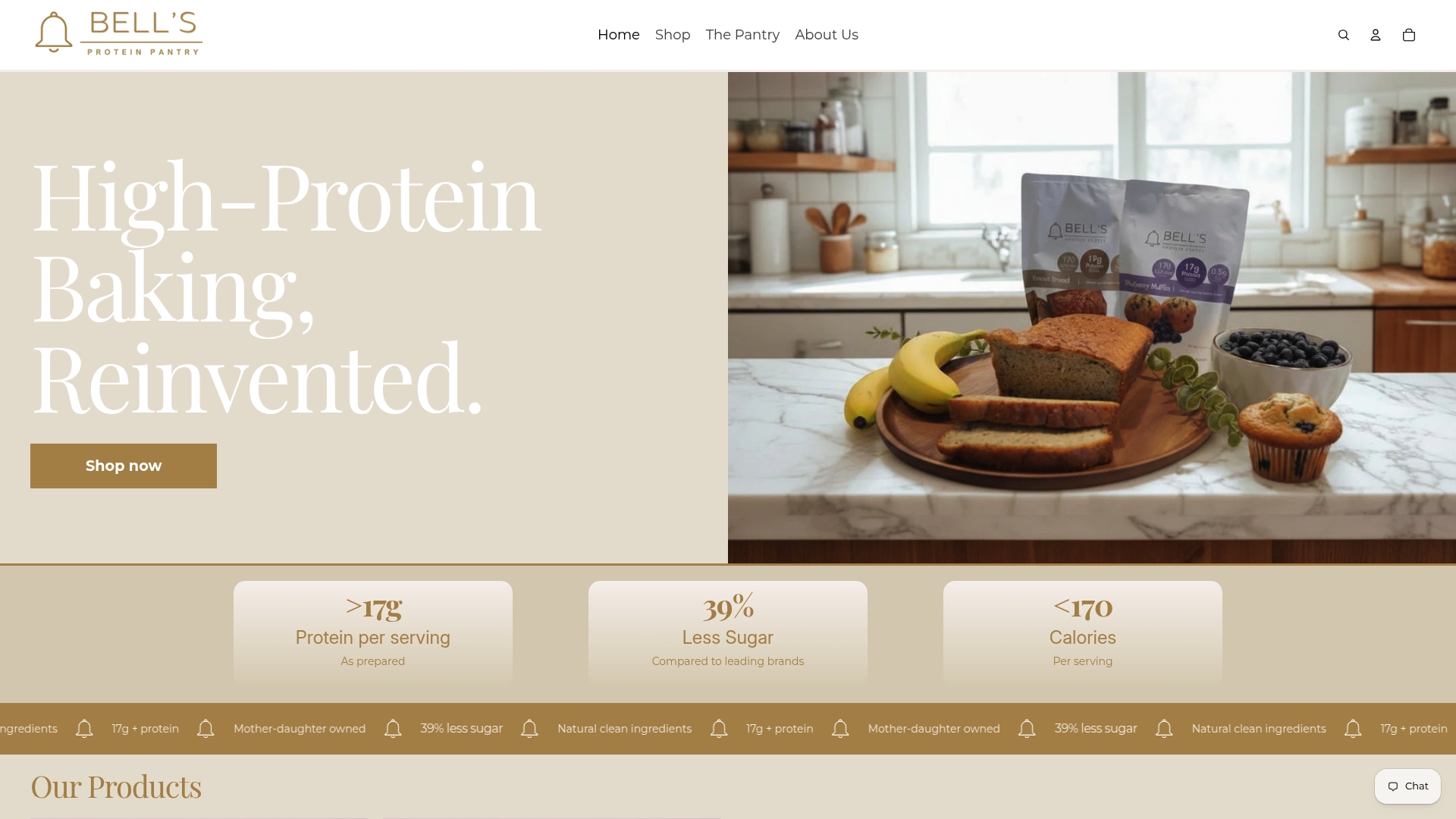
Our high-protein baking mixes deliver over 17 grams of protein per serving using all-natural ingredients, with 39% less sugar than leading brands. The Banana Bread and Blueberry Muffin mixes are designed for meal prep. Bake a batch on Sunday and you have a week of satisfying, protein-packed snacks ready to grab on your way out the door. No artificial sweeteners, no sugar alcohols, no ingredient list that requires a chemistry degree. Just food that works for your goals and actually tastes good.
FAQ
What counts as a high protein snack for weight loss?
A high protein snack for weight loss contains 15–20 grams of protein per serving, stays low in added sugar, and fits within your daily calorie target. Pairing it with fiber increases fullness and reduces calorie intake later in the day.
Are protein bars good for weight loss?
Protein bars can support weight loss when they contain at least 15 grams of protein, fewer than 5 grams of added sugar, and no sugar alcohols like maltitol. Many commercial bars contain hidden calories and additives that reduce their effectiveness compared to whole food options.
How many protein snacks should I eat per day?
One to two protein snacks per day is the practical limit for most people pursuing weight loss. More than two often signals that main meals are not filling enough rather than genuine between-meal hunger.
What is the best low calorie high protein snack?
Canned light tuna is the most efficient low calorie high protein snack available, providing 16 grams of protein for only 80 calories per 3-ounce serving. Hard-boiled eggs and plain Greek yogurt are close alternatives with strong protein-to-calorie ratios.
Do plant-based protein snacks work for weight loss?
Plant-based protein snacks like edamame, roasted chickpeas, and air-fried tofu work well for weight loss. Because plant proteins contain lower leucine levels than animal proteins, eating a slightly larger portion maximizes muscle protein synthesis and keeps the snack effective.