
Best Protein Snacks Before Bed: What to Eat Tonight

Yes, a small protein snack before bed is a smart move for most people. Aim for roughly 15–30 g of protein eaten about 30–60 minutes before you turn in. It helps curb midnight hunger and supports overnight muscle maintenance. What it won’t do is guarantee faster sleep onset — that’s a common misconception worth clearing up right away.
Tonight’s best picks: low-fat cottage cheese, plain Greek yogurt, a hard-boiled egg, or a single-serve portion from a Bell's Protein Pantry high-protein baking mix. Each delivers meaningful protein without loading you up with fat or sugar that could slow digestion.
- Cottage cheese (1 cup): a high-protein serving with a moderate calorie count
- Greek yogurt (6–8 oz): a nutritious protein option with moderate calories
- Bell’s single-serve mug cake: a convenient protein source with reduced sugar
- Hard-boiled egg (2 large): a protein-rich snack with moderate calories
Keep the snack under about 340 calories and low in added sugar. That’s the whole framework.
Table of Contents
- Why a protein snack before bed helps — and what it won’t do
- How much protein to eat and when to time it
- Best protein types for bedtime and why they work
- What to avoid late at night for better digestion
- Quick, low-prep bedtime protein snacks you can have tonight
- How to use Bell's Protein Pantry mixes as a bedtime snack
- Who should skip or modify a bedtime protein snack
- Three quick bedtime-friendly snack recipes
- Key Takeaways
- What we actually think about bedtime snacking
- Bell's Protein Pantry makes bedtime snacking easy
- Sourced studies and expert articles for further reading
Why a protein snack before bed helps — and what it won’t do
The real benefit is twofold: satiety through the night and support for overnight muscle repair. A randomized controlled trial published in Sports Medicine found that pre-sleep protein ingestion increases overnight myofibrillar and mitochondrial protein synthesis rates compared with placebo. Both whey and casein produced similar anabolic responses in that trial, which means you have real flexibility in what you choose.
Registered dietitian Jennifer Scherer frames high-protein bedtime snacks as tools for satiety and muscle maintenance — not as a guaranteed path to better sleep. The protein helps your body stay in repair mode overnight and reduces the chance you wake up hungry, but it doesn’t reliably speed up sleep onset.
That framing matters. If you go in expecting a protein snack to fix insomnia, you’ll be disappointed. If you go in expecting it to help you hit your daily protein goals and wake up less ravenous, you’ll likely be satisfied.
Registered dietitian Felicia Stoler adds an important macronutrient balance note: late-night foods should be easily digestible, with moderate fat and no heavy sugar load. High-fat or high-sugar choices delay gastric emptying, which can leave you uncomfortable and restless.
How much protein to eat and when to time it
The short answer: 15–30 g of protein, 30–60 minutes before bed.
- For appetite control: 15 g is enough to reduce overnight hunger without adding significant calories.
- For overnight muscle synthesis after an evening workout: aim for 25–30 g, closer to the window used in pre-sleep protein trials.
- For general wellness: anywhere in the 15–25 g range works well for most people.
Quick reference for hitting those numbers tonight:
- 1 cup 2% cottage cheese + berries = ~25 g protein, 249 calories
- 6–8 oz plain Greek yogurt = ~15–20 g protein
- Bell’s single-serve mug cake = ~17–19 g protein per serving
- 2 hard-boiled eggs = ~12 g protein (pair with a small yogurt to reach 20 g)
Pro Tip: If you worked out in the evening, lean toward the higher end of the range (25–30 g) and choose a casein-rich source like cottage cheese to extend amino-acid availability through the night.
Best protein types for bedtime and why they work
Casein-rich dairy sources are the classic recommendation for overnight snacking because they digest slowly, releasing amino acids steadily while you sleep. Cottage cheese is the clearest example: it’s dense, high in leucine (which directly stimulates muscle protein synthesis), and easy to portion. Greek yogurt is a close second.
That said, the Sports Medicine RCT found no clear superiority of casein over whey for overnight synthesis. Whey digests faster but still contributes meaningfully to overnight repair, especially if eaten 45–60 minutes before bed rather than right before lying down.
| Protein Source | Digestion Speed | Approx. Protein | Best For |
|---|---|---|---|
| Cottage cheese (casein) | Slow | 24–25 g / cup | Overnight synthesis, satiety |
| Greek yogurt (casein/whey) | Moderate | 15–20 g / 6–8 oz | Lighter option, easy prep |
| Whey-based baking mix | Moderate | 17–19 g / serving | Convenient, portion-controlled |
| Edamame (soy) | Moderate | ~11 g / ½ cup | Plant-based, pairs with carbs |
| Hard-boiled eggs | Moderate | ~6 g / egg | Portable, prep-ahead |
Foods containing tryptophan and magnesium — think cottage cheese, almonds, and bananas — can complement your protein snack by supporting the body’s natural relaxation process. Adding a small handful of almonds or a few banana slices alongside your main snack is a low-effort way to cover both bases.
Pro Tip: Dense textures like thick cottage cheese or a mug cake naturally slow your eating pace, which increases perceived fullness compared with smooth or liquid options. That’s a practical advantage at bedtime.
What to avoid late at night for better digestion
The rule is simple: keep portions moderate and avoid anything high in fat, sugar, spice, or acid close to lying down.
- Large or fatty snacks slow gastric emptying and can trigger reflux. A heavy snack is the most common late-night mistake, and for reflux-prone people, shifting the snack 1–2 hours earlier (or skipping it) is usually the better fix.
- High-sugar options (ice cream, sweetened protein bars with 20+ g added sugar) spike blood glucose and can disrupt sleep quality.
- Spicy or acidic foods increase the chance of heartburn when you lie down.
- Alcohol disrupts sleep architecture regardless of protein content.
Stick to snacks under ~340 calories, low in added sugar, and moderate in fat. That keeps digestion moving at a comfortable pace overnight.
Quick, low-prep bedtime protein snacks you can have tonight
Pick a snack under ~340 calories that delivers 15–30 g protein and minimal added sugar. Here are practical options:
- Cottage cheese + berries: ~25 g protein, 249 calories — the gold standard for slow-digesting bedtime protein
- Greek yogurt + small handful of walnuts: ~18–22 g protein, satisfying crunch
- Bell’s single-serve mug cake: ~17–19 g protein, 39% less sugar than leading brands
- 2 hard-boiled eggs + a few whole-grain crackers: ~14–16 g protein, easy prep-ahead option
- ½ cup edamame: ~11 g protein, plant-based, pairs well with a small Greek yogurt
- Turkey slices (2–3 oz) + a few almonds: ~18–20 g protein, tryptophan-rich
For those who want grab-and-go protein snack formats, single-serve shelf-stable options like roasted edamame or individual nut packs are worth keeping on hand for nights when cooking isn’t happening.
| Snack | Protein | Approx. Calories |
|---|---|---|
| 1 cup cottage cheese + berries | ~25 g | ~249 |
| 6 oz plain Greek yogurt | ~17 g | ~100 |
| Bell’s mug cake (single serve) | 17–19 g | ~200–250 |
| 2 hard-boiled eggs | ~12 g | ~144 |
| ½ cup edamame | ~11 g | ~94 |
How to use Bell's Protein Pantry mixes as a bedtime snack
Bell's Protein Pantry mixes are genuinely well-suited to bedtime snacking because they’re already formulated with 17–19 g protein per serving and about 39% less sugar than leading brands. The key is portioning them correctly so you stay within the 15–30 g protein and ~300-calorie window.
- Mug cake method: Mix a half-portion of the Banana Bread mix with one egg and a splash of water in a mug. Microwave 60–90 seconds. You get a warm, satisfying snack in under two minutes with roughly 17–19 g protein.
- Mini loaf slice: Bake a full loaf, slice it into portions, and refrigerate. One slice gives you a controlled serving you can grab without any prep. The high-protein banana bread approach works just as well at 10 PM as it does at 7 AM.
- Half-muffin portion: Bake a batch of Blueberry Muffins using the meal prep method, then store them individually. Half a muffin at bedtime keeps calories in check while still delivering meaningful protein.
- Pairing tip: If your goal is 25–30 g protein (post-workout), add ½ cup cottage cheese on the side. The mix handles the baked-good craving; the cottage cheese handles the extra protein.
| Preparation | Protein | Sugar vs. Leading Brands | Prep Time |
|---|---|---|---|
| Mug cake (half-portion) | ~17–19 g | ~39% less | Under 2 min |
| Mini loaf slice (pre-baked) | ~17–19 g | ~39% less | 0 min (grab and go) |
| Half-muffin (pre-baked) | ~8–10 g | ~39% less | 0 min (grab and go) |
| Half-muffin + ½ cup cottage cheese | ~20–25 g | — | Under 1 min |
Pro Tip: Reduce added fat in the mug cake by swapping oil for unsweetened applesauce. It keeps the texture moist and cuts unnecessary calories for a lighter bedtime version.
Who should skip or modify a bedtime protein snack
Most people do fine with a small protein snack before bed. A few situations call for adjustments.
- Frequent acid reflux or GERD: Eating close to lying down worsens symptoms. Move the snack to 1–2 hours before bed, choose a very small portion, or skip it on flare-up nights.
- Gastroparesis or slow gastric emptying: Late eating can cause discomfort. Consult your clinician before adding any bedtime snack.
- Strict calorie targets: If your daily goal leaves little room, a bedtime snack may push you over. Track it or replace a daytime snack rather than adding on top.
- Diabetes or metabolic conditions: Timing and composition of late-night eating can affect blood glucose overnight. Get personalized guidance from your healthcare provider.
A practical rule: if you’re eating a bedtime snack out of habit rather than genuine hunger, it may not be serving you. Habitual, unneeded late-night eating can affect sleep quality even when the snack is high in protein. Eat it when you’re actually hungry or have a specific muscle-recovery goal.
This article is general information, not medical or dietary advice. Talk to your healthcare provider for guidance specific to your health situation.
Three quick bedtime-friendly snack recipes
-
Cottage cheese berry bowl (5 min, ~25 g protein)
- 1 cup 2% cottage cheese
- ¼ cup mixed berries
- Optional: 5 almonds for magnesium
- Stir and eat 30–60 minutes before bed. Roughly 249 calories.
-
Bell’s single-serve mug cake (under 2 min, ~17–19 g protein)
- Half-portion Bell’s Banana Bread mix
- 1 egg, 2 tbsp water
- Mix in a mug, microwave 60–90 seconds
- Let cool 1 minute. Eat warm. Pair with ½ cup cottage cheese if you need 25+ g protein.
-
Greek yogurt + nut topping (2 min, ~18–22 g protein)
- 6 oz plain Greek yogurt
- 1 tbsp chopped walnuts or almonds
- Optional: a few banana slices for magnesium and natural sweetness
- No cooking, no cleanup. Works well as a balanced late-night option for people who want something cold and creamy.
Key Takeaways
A small, low-sugar protein snack of 15–30 g eaten 30–60 minutes before bed supports overnight muscle maintenance and satiety without reliably improving sleep onset.
| Point | Details |
|---|---|
| Target protein range | Aim for 15–30 g protein per bedtime snack, depending on your goal. |
| Best timing | Eat 30–60 minutes before bed; reflux-prone individuals should move it earlier. |
| Avoid heavy or sugary choices | High-fat, high-sugar snacks delay digestion and can disrupt sleep. |
| Protein helps recovery, not sleep | Pre-sleep protein supports muscle synthesis and satiety, not guaranteed sleep onset. |
| Bell's Protein Pantry mixes | A single-serve mug cake or loaf slice delivers 17–19 g protein with 39% less sugar than leading brands. |
What we actually think about bedtime snacking
The conversation around late-night eating has been unnecessarily complicated for years. The real question isn’t “should I eat before bed?” — it’s “am I actually hungry, and am I choosing something that works for my body overnight?”
We think the answer for most busy, active people is yes to a small, protein-focused snack. Not because it’s a magic sleep fix, but because it closes the gap between dinner and breakfast in a way that supports your muscles and keeps you from waking up at 3 AM ravenous. That’s a practical win.
What we’d push back on is the idea that this has to be complicated. A half-portion mug cake from a Bell's Protein Pantry mix, a bowl of cottage cheese, or a cup of Greek yogurt with a few almonds — these are two-minute choices that genuinely move the needle on daily protein goals. You don’t need a complicated protocol. You need a good default option ready to go.
Try this: for three nights, eat a small protein snack 45 minutes before bed and note how your hunger feels the next morning. That’s the only test that matters for your situation.
Bell's Protein Pantry makes bedtime snacking easy
Hitting 17–19 g of protein in a warm, satisfying snack that’s ready in under two minutes is exactly what Bell's Protein Pantry mixes are built for. With about 39% less sugar than leading brands and all-natural ingredients, they fit the bedtime snack window without the sugar spike or the calorie overload.
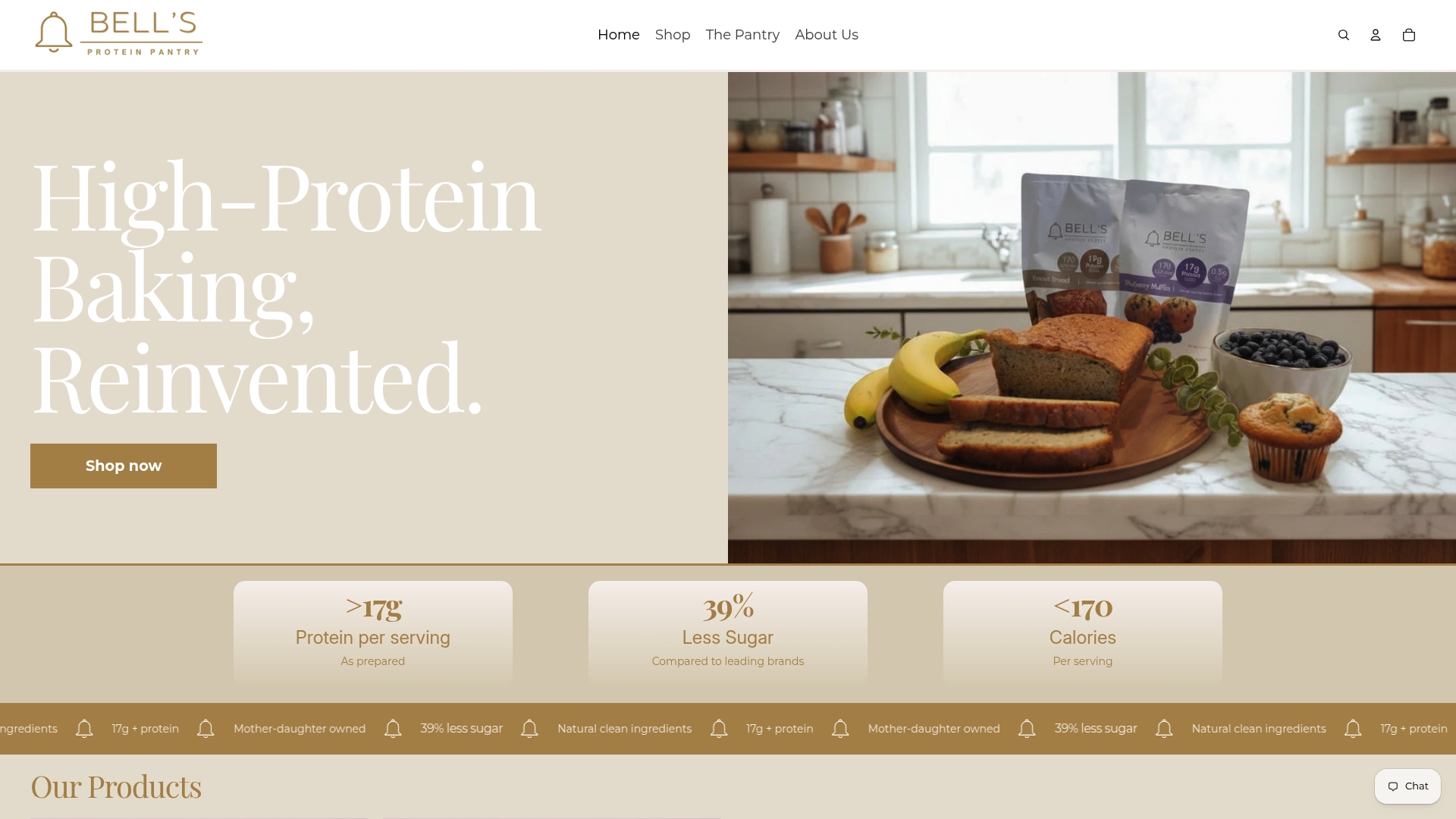
The Banana Bread mix is a natural starting point. Bake a loaf on Sunday, slice it into portions, and you have a grab-and-go bedtime snack ready for the whole week. Or go the mug cake route on any given night: half a portion, one egg, two minutes. The Blueberry Muffin mix works the same way — bake a batch, store individually, and halve a muffin when you need something light.
Browse the full lineup of protein baking mixes and see which one fits your routine. First-time buyers often start with the Banana Bread mix for its versatility as both a breakfast and a bedtime option.
Sourced studies and expert articles for further reading
- Sports Medicine — Pre-sleep protein ingestion RCT (Springer Nature): Randomized controlled trial showing increased overnight myofibrillar and mitochondrial protein synthesis after pre-sleep protein; whey and casein produced similar results.
- EatingWell — Sleep and protein snack coverage: Registered dietitian Jennifer Scherer on protein as a satiety and muscle-maintenance tool, not a sleep aid; heavy snacks and reflux guidance.
- EatingWell — Dietitian-recommended high-protein late-night snack: Endorsement of cottage cheese and berry bowl for sleep-supporting macros and portion control.
- AOL — 26 healthy night snacks: Felicia Stoler RD on macronutrient balance and avoiding high-fat/high-sugar late-night foods.
- Sleep Foundation — Healthy bedtime snacks: Tryptophan- and magnesium-rich foods as sleep-supporting additions to a protein snack.
- Protein Atlas — Cottage Cheese Berry Night Bowl: Recipe with sourced macros (25 g protein, 249 calories) and timing guidance.
- Verywell Health — 16 healthy late-night snacks: Calorie guideline (~340 calories) and Greek yogurt/cottage cheese recommendations.
- Bell's Protein Pantry — High-Protein Baking Mixes: Product details, nutrition claims (17–19 g protein/serving, ~39% less sugar), and shopping links.
- Bell's Protein Pantry — Why Bell’s Wins: Brand differentiation page covering formulation, ingredient quality, and sugar reduction details.
Recommended
- High-Protein Banana Bread: The Breakfast Hack That Replaced My Protein – Bell’s Protein Pantry
- Meal Prep Sunday: Protein Blueberry Muffins for the Whole Week – Bell’s Protein Pantry
- We Were Tired of Protein Baking Mixes That Tasted Like a Compromise – Bell’s Protein Pantry
- Bell’s Protein Pantry | High-Protein Baking Mixes