
Protein Snacks for Seniors: Easy, Low-Sugar Options

The best protein snacks for seniors are soft, low-sugar, and simple to prepare. Greek yogurt, cottage cheese, hard-boiled eggs, canned tuna packets, nut butter on soft fruit, and single-serve baked goods made from Bell's Protein Pantry’s high-protein mixes all hit the mark. Aim for 10–20 grams of protein per snack — a practical range that aligns with the 1.0–1.2 g/kg/day guidance registered dietitians recommend for older adults.
For families who want a shelf-stable, low-prep option, Bell's Protein Pantry’s Banana Bread and Blueberry Muffin mixes deliver 17+ grams of protein per serving with 39% less added sugar than leading brands. Bake a batch on Sunday, slice, and you have a week’s worth of soft, grab-and-go snacks ready.
Top picks at a glance:
- Greek yogurt (plain): offers a soft texture with moderate protein per cup, watch added sugar
- Cottage cheese: very soft and pairs well with fruit, providing substantial protein per cup
- Hard-boiled eggs: a convenient protein source
- Canned tuna or salmon packet: shelf-stable and protein-rich
- Nut butter on soft banana or crackers: good protein content per typical serving
- Edamame (shelled): soft and chewy with a reasonable protein amount
- Bell's Protein Pantry baking mix muffin or banana bread slice: moist and soft, delivering a significant protein boost
Table of Contents
- What are the best quick protein snacks for seniors?
- Why does protein matter so much for older adults?
- How do you choose safe, effective protein snacks for seniors?
- Why Bell's Protein Pantry mixes work so well as a senior snack
- Simple snack builds caregivers can make fast
- Shopping, storage, and reheating tips
- When should you call a doctor, dietitian, or speech therapist?
- Key Takeaways
- Why we built these mixes with seniors and families in mind
- Ready to try Bell's Protein Pantry?
What are the best quick protein snacks for seniors?
Not every snack works for every senior. Chewing ability, appetite, and sodium or sugar restrictions all shape the right choice. The table below gives you a fast reference.
| Snack | Protein per serving | Texture | Watch for |
|---|---|---|---|
| Plain Greek yogurt (1 cup) | 12–17 g | Soft/creamy | Added sugar |
| Cottage cheese (1 cup) | 20 g | Very soft | Sodium |
| Hard-boiled egg (1 large) | ~6 g | Firm | None typical |
| Canned tuna packet (1 can) | ~20 g | Soft/flaky | Sodium |
| Nut butter (2 tbsp) | 7–8 g | Spreadable | Added sugar |
| Shelled edamame (½ cup) | ~8 g | Soft/chewy | None typical |
| Hummus with soft pita (¼ cup) | ~5 g | Soft | Sodium |
| Soft cheese portion (1 oz) | ~6–7 g | Soft | Sodium |
| Protein smoothie (8 oz) | Varies | Drinkable | Added sugar |
| Bell's Protein Pantry muffin or banana bread slice | 17+ g | Moist/soft | Low added sugar |
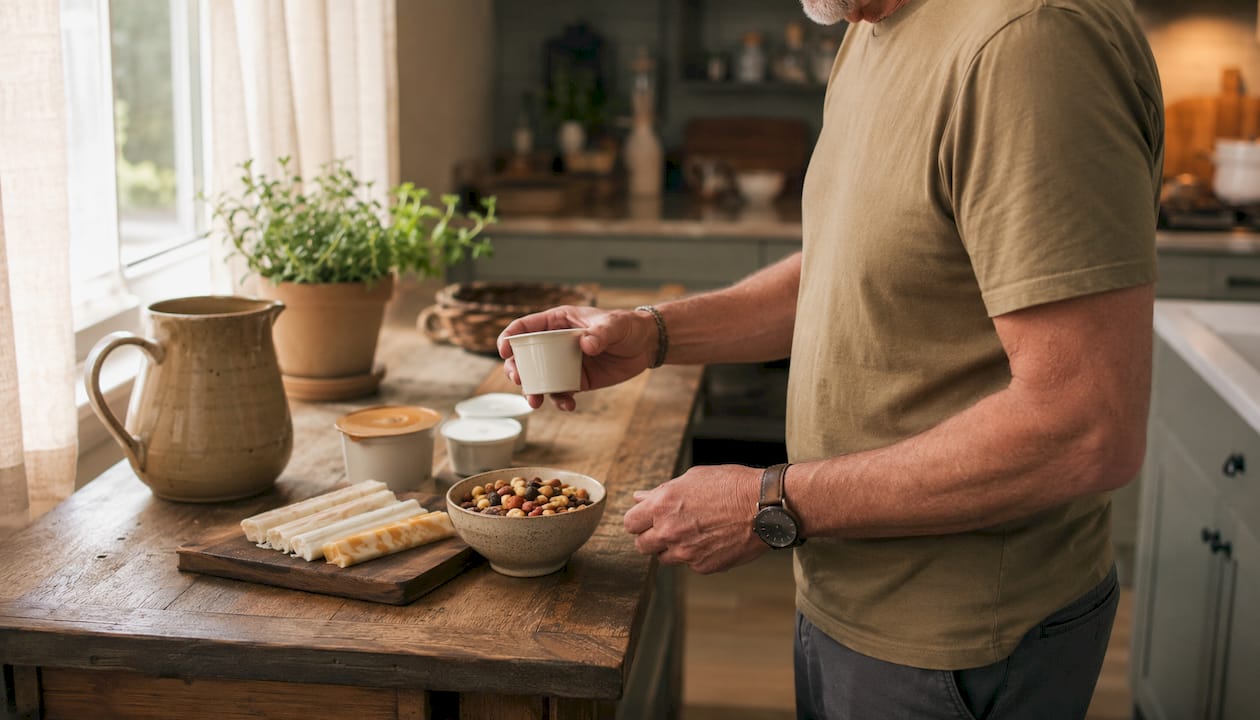
Grab-and-go options matter most for seniors with limited mobility. Keeping high-protein snacks within arm’s reach consistently improves intake — practical placement is as important as product choice. Single-serve cottage cheese cups, pre-portioned nut butter packets, and individually wrapped baked goods from Bell's Protein Pantry’s mixes all fit that need without requiring a caregiver to be present at every snack.
Why does protein matter so much for older adults?
Protein supports muscle maintenance, wound healing, and day-to-day independence. As we age, muscle mass naturally declines — a condition called sarcopenia — and the body becomes less efficient at using dietary protein. Spreading intake across the day, rather than loading it into one meal, is the approach dietitians consistently recommend.
Regular snacking can supply up to 25% of an elderly person’s daily caloric intake, making 1–2 protein-rich snacks per day a meaningful strategy, not a luxury. Care teams often aim for a late-morning snack and a mid-afternoon snack to stabilize energy and reduce large-meal fatigue. Combining protein with fiber-rich additions like oats, ground flax, or soft fruit also helps manage constipation, which frequently suppresses appetite in older adults.
How do you choose safe, effective protein snacks for seniors?
Start with one simple rule: look for 10–20 g protein per serving, low added sugar, manageable sodium, and a texture the senior can actually eat comfortably. Everything else follows from there.
Label checklist:
- Protein grams: aim for at least 6–10 g per serving as a baseline, with 10–20 g as the target when possible
- Added sugar: added sugar should ideally be lower than the protein grams per serving
- Sodium: choose lower-sodium options, especially for seniors managing blood pressure or kidney concerns
- Ingredient list: shorter and more recognizable is better; avoid long lists of artificial additives
- Fiber content: fiber helps with digestion and appetite; look for snacks that pair protein with oats, seeds, or fruit
- Allergens: check for common allergens (dairy, tree nuts, gluten) relevant to the senior’s restrictions
- Texture: soft, moist, or drinkable options work best for seniors with chewing or swallowing difficulty
Pro Tip: For seniors with dysphagia or significant chewing difficulty, prioritize drinkable forms first — smoothies, protein shakes, or yogurt thinned with milk. A baking mix blended with milk and yogurt into a pudding-style snack is a practical clinical workaround that maintains protein intake without increasing choking risk.
Seniors managing diabetes should watch total carbohydrates and added sugar closely. Those with kidney disease may need to limit protein quantity per snack — a registered dietitian can set the right target for their specific lab values.
Why Bell's Protein Pantry mixes work so well as a senior snack
Bell's Protein Pantry’s high-protein baking mixes solve a real problem for families: how do you give a senior a soft, satisfying, high-protein snack without spending an hour in the kitchen? The answer is a tray of warm blueberry muffins cooling on your counter — made in under 30 minutes from a single mix.
Each serving of the Banana Bread or Blueberry Muffin mix delivers a high amount of protein with substantially less added sugar than leading brands. That nutrition profile fits squarely within the dietitian-recommended snack range, and the moist, tender texture is gentle enough for seniors who find dense protein bars difficult to chew.
Quick single-serve prep:
- Measure one serving of Bell's Protein Pantry mix into a mug or microwave-safe dish.
- Add the liquid called for on the package (egg, milk, or water depending on the recipe).
- Microwave for 60–90 seconds or bake as directed for a full batch.
- Let cool slightly, then serve warm with a spoonful of Greek yogurt or soft fruit on the side.
Approximate protein per serving: a substantial amount. Prep time: under 5 minutes for the microwave version.
Batch-baking and single-serve freezing is the caregiver’s best friend here. Bake a full tray, wrap individual muffins or slices, and freeze. Thaw one at a time in the microwave for a grab-and-go snack that takes 60 seconds to reheat. Mix-based snacks also give caregivers control over texture — a slightly longer bake time produces a firmer slice, while a shorter bake or added yogurt keeps things moist and easy to eat.
Pro Tip: Stir a tablespoon of ground flax into the batter before baking. You add fiber for digestion without changing the texture or flavor — a small tweak that makes a real difference for seniors prone to constipation.
Simple snack builds caregivers can make fast
These five ideas use Bell's Protein Pantry mixes or common pantry staples and come together in 20 minutes or less.
- Microwave muffin cup — One serving of Bell's Protein Pantry mix, one egg, two tablespoons of milk. Microwave 75 seconds. Serve warm. Protein: 17+ g. Prep: 3 minutes.
- Mini banana bread with Greek yogurt — Warm a pre-baked slice of high-protein banana bread for 30 seconds, top with two tablespoons of plain Greek yogurt. Protein: 20+ g combined. Prep: 2 minutes.
- Protein smoothie — Blend one cup of plain Greek yogurt, half a banana, half a cup of milk, and a handful of frozen berries. Drinkable, no chewing required. Protein: ~15 g. Prep: 5 minutes.
- Cottage cheese and soft fruit bowl — Half a cup of cottage cheese topped with canned peaches (in juice, not syrup) and a sprinkle of ground flax. Protein: ~14 g. Prep: 2 minutes.
- Nut butter on soft banana — Two tablespoons of almond or peanut butter spread on banana slices. Protein: ~7–8 g, plus natural fiber. Prep: 2 minutes.
For active aging fitness goals, pairing these snacks with light movement — even a short walk after eating — supports muscle protein synthesis more effectively than rest alone.
Caregiver hack: Bake a full batch of muffins on Sunday, portion into individual bags, and freeze. You have 12 ready-to-go snacks for the week with zero daily prep.
Shopping, storage, and reheating tips
- Check “best by” dates on all packaged snacks; single-serve options reduce waste when appetite is unpredictable.
- Refrigerate dairy snacks (yogurt, cottage cheese, eggs) and use within the window on the label — typically 5–7 days after opening.
- Store Bell's Protein Pantry mixes in a cool, dry place; sealed mixes keep well and are ready when you need them.
- Freeze baked portions in labeled bags; thaw in the microwave (30–60 seconds) or a warm oven (300°F for 8–10 minutes) to restore soft texture without drying out.
- Rinse canned fish under cold water when sodium is a concern; it reduces sodium content meaningfully without affecting protein.
- Reheat gently — overheating baked goods dries them out and makes chewing harder. Low and slow preserves the moist texture seniors need.
- Check added sugars and sodium on every packaged snack label before buying, not just the front-of-pack claim.
When should you call a doctor, dietitian, or speech therapist?
Snacks help, but they are not a substitute for professional care when something is clearly wrong.
Seek professional guidance when you notice:
- Unexplained weight loss over a few weeks — contact the primary care physician or geriatrician.
- Repeated choking, coughing, or gagging while eating or drinking — request a referral to a speech-language pathologist for a swallowing evaluation.
- Very low appetite for several days, dehydration, or signs of malnutrition — a registered dietitian can set a targeted meal and snack plan.
- Slow wound healing or frequent illness — these can signal protein deficiency; bring it up at the next medical visit.
Before the appointment, caregivers should bring a 3-day food log and the labels of any snacks or supplements the senior is currently using. That information helps the clinician make faster, more accurate recommendations.
This article is general information, not medical or dietary advice. Confirm specific protein targets and dietary restrictions with a qualified healthcare professional for your loved one’s situation.
Key Takeaways
Spreading protein across the day in 10–20 g snack-sized portions is the most practical strategy for seniors who struggle with large meals or low appetite.
| Point | Details |
|---|---|
| Target protein per snack | Aim for 10–20 g per snack; at minimum, look for 6–10 g per serving on the label. |
| Spread intake across the day | One late-morning and one mid-afternoon snack can supply up to 25% of daily calories. |
| Prioritize soft textures | Choose moist, drinkable, or pudding-like options for seniors with chewing or swallowing difficulty. |
| Watch sugar and sodium | Added sugar should be lower than protein grams per serving; rinse canned options to reduce sodium. |
| Bell's Protein Pantry mixes | Deliver 17+ g protein per serving with 39% less sugar — a shelf-stable, low-prep snack solution for caregivers. |
Why we built these mixes with seniors and families in mind
We started Bell's Protein Pantry as a mother-daughter team because we kept running into the same problem: the high-protein options on the market either tasted like cardboard or were loaded with sugar. Neither worked for the people we were baking for. So we went back to basics — real ingredients, a dramatically lower sugar formula, and a protein count (17+ g per serving) that actually moves the needle.
Seniors and their families deserve snacks that taste good and do good. A warm muffin or a slice of banana bread is something a person actually wants to eat — and when it delivers real protein with minimal added sugar, that’s a habit worth building. Try a single bundle and see how one small weekly baking habit can help an older loved one meet their protein goals without any fuss.
Ready to try Bell's Protein Pantry?
Bell's Protein Pantry’s high-protein baking mixes give families a genuinely convenient path to hitting protein targets for older loved ones. No complicated recipes, no hard-to-find ingredients — just a mix, a few pantry staples, and 30 minutes.
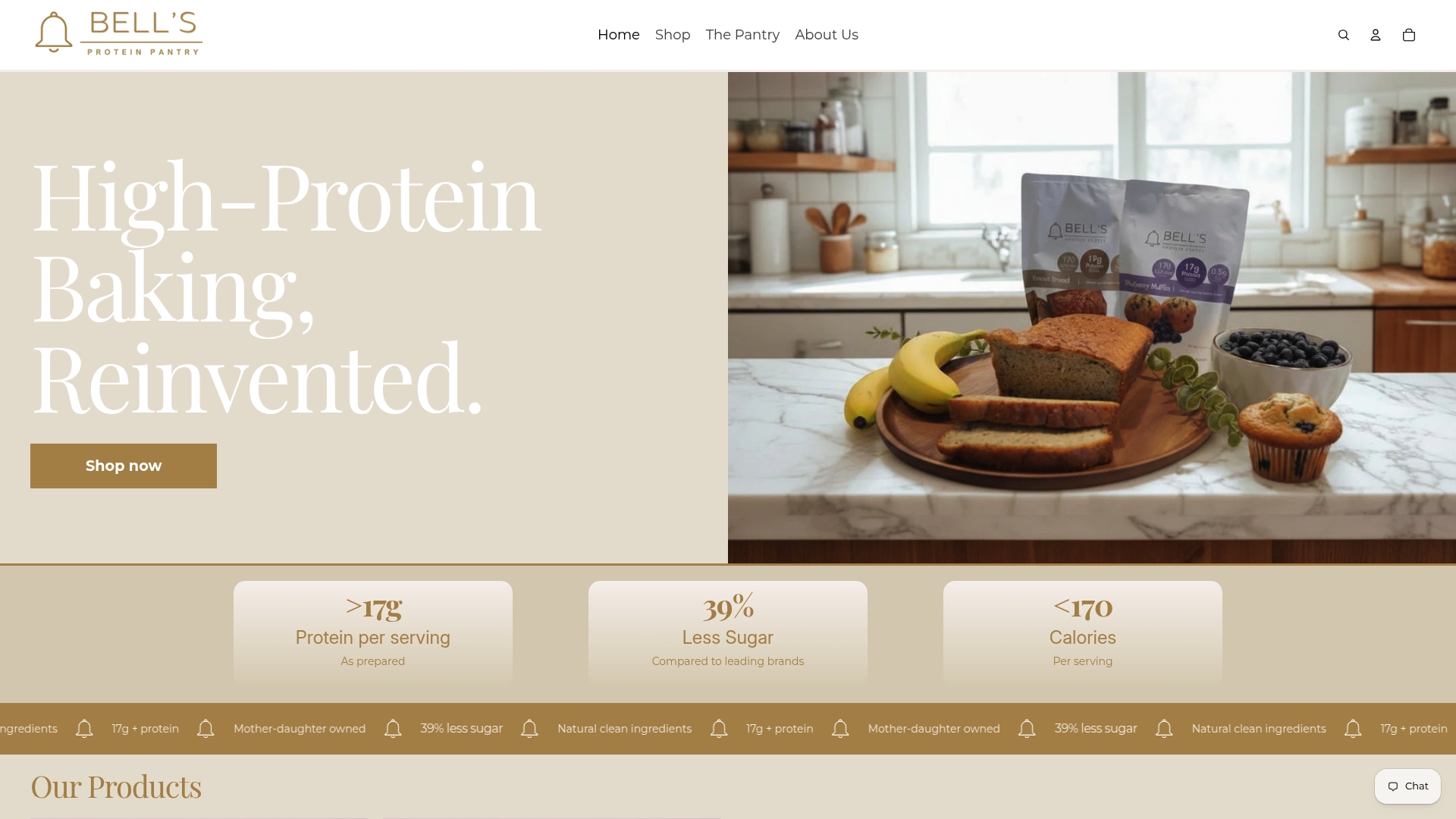
Here is what you get with every order:
- 17+ g protein per serving with 39% less added sugar than leading brands
- Simple, all-natural ingredients — no long list of additives to decode
- Shelf-stable mixes that store easily and are ready whenever you need them
Browse the full range and pick a variety bundle or a single mix to start. Your first batch of muffins or banana bread is closer than you think.
Shop protein baking mixes and find the option that fits your family’s routine.
Recommended
- High-Protein Banana Bread: The Breakfast Hack That Replaced My Protein – Bell’s Protein Pantry
- We Were Tired of Protein Baking Mixes That Tasted Like a Compromise – Bell’s Protein Pantry
- Bell’s Protein Pantry | High-Protein Baking Mixes
- Meal Prep Sunday: Protein Blueberry Muffins for the Whole Week – Bell’s Protein Pantry