
Best Road Trip Protein Snacks for Lasting Energy

The best road trip protein snacks are ones you actually want to eat three hours in, not just the ones that look good in a flat-lay photo. For sustained energy, aim for snacks that deliver 10–20 grams of protein per serving, stay shelf-stable without a cooler, and create zero mess in the car. Here are the top portable options to pack before you hit the highway:
- Beef or turkey jerky (1 oz turkey jerky: ~11g protein, 80 calories) — light, chewy, and easy to eat one-handed
- Protein bars (~20g protein, 200 calories per bar) — the most reliable no-fridge backup on long stretches
- String cheese or cheese sticks (~7g protein per stick) — individually wrapped and satisfying with minimal prep
- Hard-boiled eggs (~6g protein each) — pair two with a piece of fruit for a complete mini meal
- Roasted edamame (~14g protein per oz) — crunchy, plant-based, and far more filling than crackers
- Tuna pouches (~17g protein, 70 calories) — the leanest whole-food option when you want real food, not a bar
- Greek yogurt cups (~15–17g protein) — best for cooler-equipped trips under four hours
- Protein muffins or baking mix bites — homemade options like blueberry muffins from a high-protein mix travel well and feel like a treat
Combine any of these with a piece of fruit or a small handful of nuts and you have a snack that covers protein, fiber, and healthy fat in one stop.
What are the best types of protein snacks for road trips?
Not all portable protein options are created equal. The category you choose shapes how long you stay full, how easy cleanup is, and whether your snack survives a warm car for six hours.
Meat-based snacks are the road trip gold standard. Jerky, meat sticks, and deli-style pouches are shelf-stable, high in protein, and individually portioned. Malaysia Beef Jerky, hand-crafted in NYC Chinatown since 1996, is a standout for travelers who want authentic flavor rather than a mass-produced stick. Crunchy textures like beef chips also tend to feel more satisfying on long drives than soft or sticky options.

Dairy-based snacks work well for shorter hauls. String cheese, cottage cheese cups, and Greek yogurt all deliver solid protein per serving, but they need a cooler for anything beyond a few hours. Registered dietitians recommend pairing these with fiber-rich fruit to stabilize blood sugar and avoid the mid-afternoon slump that hits around mile 200.
Plant-based options have come a long way. Roasted edamame, sunflower seeds, and protein balls made from organic ingredients are genuinely filling and travel well at room temperature. Dingers Sunflower Seeds offer a portable, USA-made plant-based option that fits neatly in a cupholder. For travelers following a vegan or gluten-free diet, brands like Healthy Truth and Fast Lane to Health carry certified organic, allergen-free snacks worth stocking up on before a long drive.
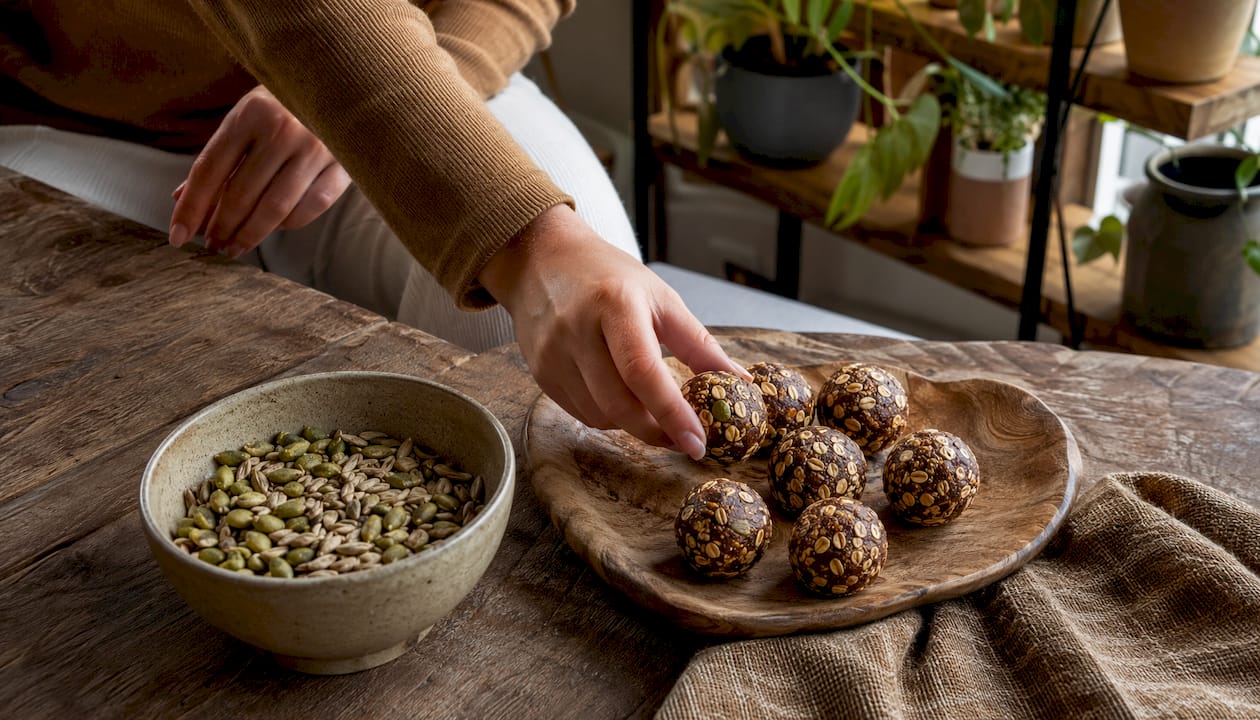
Prepared snacks and bars round out the list. Tosi Snacks are certified organic, non-GMO, kosher, and vegan, with no cane sugar, and they’re sold through major US retailers like Target. Protein muffins baked from a high-protein mix are another option worth considering, especially for eco-friendly family road trips where you want real food that doesn’t come in a foil wrapper.
How do you prep and store protein snacks for a long drive?
Good prep makes the difference between snacking well and raiding a gas station at hour five. A little planning the night before goes a long way.
- Batch-cook what you can. Hard-boiled eggs, protein muffins, and homemade energy balls all prep in under 30 minutes and keep for several days. Bake a batch of blueberry muffins from a high-protein baking mix the evening before you leave, and you have a real snack that travels beautifully.
- Use airtight containers for anything homemade. Silicone bags or small glass containers with locking lids keep muffins and egg bites fresh without refrigeration for up to 24 hours.
- Keep shelf-stable snacks in a separate bag from cooler items. Tuna pouches, jerky, protein bars, and roasted seeds go in a dry tote. Greek yogurt and cheese sticks go in the cooler. This two-system approach, one bag for the car, one for the cooler, prevents the all-or-nothing failure when the ice melts.
- Choose low-mess formats. Meat sticks, pouches, and individually wrapped bars create far fewer crumbs than crackers or granola clusters. Individually wrapped snacks are the practical choice for keeping the car clean.
Pro Tip: Pre-portion your snacks into single-serving bags or containers before you leave. Eating straight from a large bag makes it easy to lose track of how much you’ve had, and portion control matters when you’re sitting still for hours.
For trips under four hours, light grab-and-go options like string cheese or jerky are plenty. Drives of eight hours or more call for something more substantial, like protein muffins, egg bites, or a tuna pouch paired with whole-grain crackers.
Where can you find quality road trip protein snacks in the US?
Finding reliable, high-protein travel snacks is easier when you know where to shop, especially if you want expert guidance alongside your purchase.
| Store | Specialization | Protein Snack Selection | Nutrition Coaching | Organic/Plant-Based | Rating |
|---|---|---|---|---|---|
| Florida Discount Nutrition Superstore | Top-brand supplements, vitamins | Broad | NAFC Certified | Limited | 5★ |
| Vegas Discount Nutrition | Top-brand supplements, face-to-face coaching | Broad | NAFC Certified | Limited | 5★ (911) |
| Discount Nutrition Superstore | Best supplement store in Arizona (3 years) | Broad | NAFC Certified | Limited | 4.9★ (634) |
| Malaysia Beef Jerky | Artisanal hand-crafted jerky since 1996 | Meat-focused | None | No | 4.6★ (271) |
| Nutri-Foods | Dietary-specific health foods | Varied | Not listed | Yes | 4.7★ (139) |
| Ripp’d Nutrition | Fitness supplements, energy, recovery | Fitness-focused | Not listed | Limited | 4.8★ (66) |
| Healthy Truth | Certified organic plant-based superfood snacks | Plant-based | None | Yes (USDA Organic) | 4.8★ (12) |
| Fast Lane to Health | Raw vegan, eco-friendly snacks | Vegan/raw | None | Yes (Organic) | 5★ (11) |
| Tosi Snacks | Certified organic, non-GMO, kosher snacks | Balanced nutrition | None | Yes (Certified Organic) | 5★ (8) |
| Dingers Sunflower Seeds | USA-made sunflower seed snacks | Plant-based | None | Yes | 5★ (2) |
| Healthy Snacks by the Dozen, Inc. | Assorted protein snack bundles | Variety packs | Not listed | Not listed | — |
Florida Discount Nutrition Superstore and Vegas Discount Nutrition both carry the broadest supplement and protein snack selections, backed by NAFC Certified Nutrition Coaches who can help you build a snack plan around your specific goals. Discount Nutrition Superstore brings the same coaching model to Arizona, where it has been voted the best nutritional supplement and vitamin store three years running.
For specialty needs, Healthy Truth is the strongest pick for certified organic, gluten-free, and dairy-free snacks, carrying USDA Organic, Certified Gluten-Free, and Certified Kosher credentials. Fast Lane to Health takes a similar angle with raw vegan protein balls and eco-friendly packaging, priced between $3 and $32. Tosi Snacks, available at Target, is a women-owned brand with no cane sugar and a full stack of certifications including non-GMO and kosher. Ripp’d Nutrition suits travelers with a fitness focus who want science-based formulations for energy and recovery alongside their snacks.
Expert nutrition tips for staying energized on the road
Registered dietitians consistently point to one habit that separates travelers who feel good at mile 400 from those who don’t: spreading protein intake evenly across the day rather than loading up at one meal. On a road trip, that means snacking intentionally every three to four hours instead of waiting until you’re starving at a rest stop.
Aim for 10–20g of protein per snack, targeting around 220 calories. A 1 oz serving of turkey jerky delivers roughly 11g of protein at 80 calories; a standard protein bar hits about 20g at 200 calories. Both fit the target and work without refrigeration.
- Pair protein with fiber and fat. A protein bar alone digests quickly. Add a small handful of almonds or a piece of fruit and the meal holds you noticeably longer, because fiber slows digestion and fat signals satiety.
- Watch the nut trap. Nuts are healthy, but calories climb faster than protein does when you eat them as your primary source. A small portion works well as a complement, not a standalone protein snack.
- Pick snacks you won’t get sick of. Consistent, shelf-stable choices reduce decision fatigue on long drives. If you love turkey jerky, bring enough for the whole trip rather than rotating through five different formats.
- Go individually wrapped when possible. Pouches, sticks, and single-serve bars keep hands clean, control portions naturally, and make it easy to eat without pulling over.
Adding a tuna pouch or a protein-boosted mix to a gas station stop is one of the simplest ways to upgrade a travel meal without carrying a full cooler. Small upgrades like that add up across a full day on the road.
Bell's Protein Pantry makes a great homemade road trip snack option
If you’d rather bake your own travel snacks than buy pre-packaged bars, Bell's Protein Pantry is worth a look before your next trip.
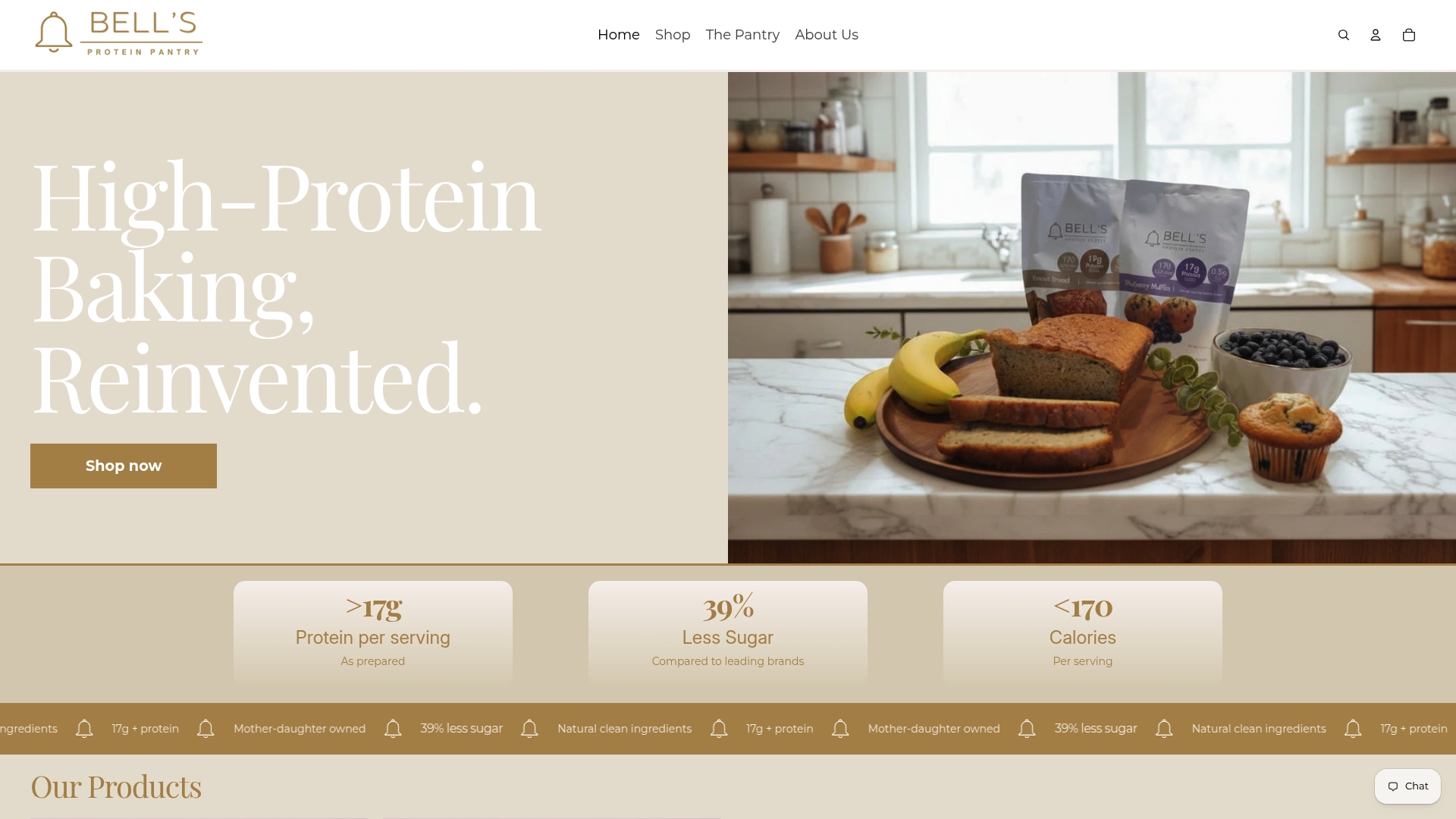
Bell's Protein Pantry’s high-protein baking mixes deliver 17–19g of protein per serving using all-natural ingredients, with 39% less sugar than leading brands. The Banana Bread and Blueberry Muffin mixes bake up in one bowl, cool overnight, and pack into an airtight container for the road. Unlike a store-bought bar, you know exactly what’s in each bite. It’s a mother-daughter brand built around the idea that healthy food should taste like something you actually want to eat, not a compromise. For health-conscious travelers who love the idea of a warm muffin at mile 300, Bell's Protein Pantry’s mixes are a genuinely satisfying alternative to the foil-wrapped options on this list.
Key Takeaways
The most effective road trip snacking strategy combines 10–20g of protein per serving with fiber and healthy fat, spread evenly across the day to maintain stable energy and avoid hunger-driven detours.
| Point | Details |
|---|---|
| Target protein per snack | Aim for 10–20g of protein and around 220 calories per serving to manage hunger without overeating. |
| Pair protein with fiber and fat | Combining jerky or a bar with fruit or nuts extends satiety well beyond protein alone. |
| Match snack type to trip length | Short trips suit light snacks like string cheese; longer drives call for protein muffins or egg bites. |
| Choose low-mess formats | Individually wrapped pouches, sticks, and bars keep the car clean and portions controlled. |
| Bell's Protein Pantry for homemade snacks | Bell's Protein Pantry’s baking mixes deliver 17–19g of protein per serving and bake into travel-ready muffins the night before you leave. |
Recommended
- Meal Prep Sunday: Protein Blueberry Muffins for the Whole Week – Bell’s Protein Pantry
- High-Protein Banana Bread: The Breakfast Hack That Replaced My Protein – Bell’s Protein Pantry
- We Were Tired of Protein Baking Mixes That Tasted Like a Compromise – Bell’s Protein Pantry
- Bell’s Protein Pantry | High-Protein Baking Mixes