
200-Calorie High-Protein Snacks: 25 Real Options That Work

Yes, you can hit around 200 calories and still land 15 to 20 grams of protein in a single snack, and that’s the sweet spot most of these picks aim for. A cup of shelled edamame gets you 18 grams of protein for about 190 calories. Two large hard-boiled eggs run roughly 150 calories with 12.6 grams of protein, so you can pair them with a small piece of fruit and still stay under 200. A standard can of tuna delivers around 22 grams of protein for close to 100 calories, leaving room to add crackers or a few cucumber slices.
Here’s the honest math: protein has 4 calories per gram, so 30 grams of protein alone equals 120 calories before you add a single crumb of anything else. That’s why most realistic 200-calorie snacks land closer to 10 to 25 grams of protein rather than the 30-gram number people sometimes chase. A Bell’s Protein Pantry Banana Bread or Blueberry Muffin serving fits comfortably in that range too, with 17 or more grams of protein baked right in.
- 1 cup shelled edamame: 190 calories, 18g protein
- 3 oz canned tuna + 6 whole grain crackers: about 180 calories, 24g protein
- 2 large hard-boiled eggs + small apple: about 200 calories, 15g protein
- 1 Bell’s Protein Pantry baked mix serving: around 200 calories, 17g+ protein
- 3/4 cup low-fat cottage cheese + berries: about 170 calories, 18g protein
Pro Tip: Distributing protein across meals and snacks throughout the day, rather than trying to cram it all into one sitting, is the approach Harvard Health points to for supporting muscle maintenance and appetite control.
Key Takeaways
A 200-calorie snack can realistically deliver 10 to 25 grams of protein, and pairing protein with fiber extends fullness far more than protein alone.
| Point | Details |
|---|---|
| Set realistic protein targets | Aim for 10 to 20 grams of protein per snack rather than chasing 30 grams, which requires 120 calories on protein alone. |
| Prioritize protein-dense anchors | Build snacks around canned fish, eggs, Greek yogurt, or edamame before adding fiber-rich extras. |
| Match snack size to timing | Choose a lighter 5 to 10 gram protein snack if your next meal is under 90 minutes away, or a full 200-calorie option if it’s 2+ hours out. |
| Pack for portability | Use insulated bags with ice packs for perishables and pre-portion shelf-stable items like jerky and nuts on a weekly basis. |
| Consider a baked option | Bell’s Protein Pantry Banana Bread and Blueberry Muffin mixes deliver 17 to 19 grams of protein per serving near 200 calories, with 39% less sugar than leading brands. |
Table of Contents
- 25 High-Protein Snacks Under 200 Calories
- How to Build Your Own ~200-Calorie High-Protein Snack
- Plant-Based and Vegetarian Protein Snacks Around 200 Calories
- When Should You Reach for a 200-Calorie Protein Snack?
- Six Sample Snack Combos, Organized by Goal
- Why Protein Makes These Snacks Actually Work
- Why We Bake This Way
- A Baked Option That Fits Right Into Your 200-Calorie Target
- Sources
25 High-Protein Snacks Under 200 Calories
We’ve spent enough time in the kitchen testing what actually fills you up to know that not every “high-protein” snack lives up to its label. Some claim big protein numbers but bury them under 450 calories of oil and sugar. The list below sticks to real portions, real numbers, and options you can actually find at a regular grocery store.
- Canned tuna, 3 oz, mixed with mustard. About 100 calories and 22 to 25 grams of protein. Keep single-serve pouches in your desk drawer; no can opener required.
- Canned salmon, 3 oz, on cucumber rounds. Roughly 130 calories with 17.5 grams of protein. Skip the crackers and use vegetables to save calories for more fish.
- Two large hard-boiled eggs. About 150 calories and 12.6 grams of protein. Boil a half dozen on Sunday and they’ll keep in the fridge all week.
- 1 cup shelled edamame, steamed. Around 190 calories and 18 grams of protein, and it’s a complete protein on its own since soy contains all nine essential amino acids.
- 3/4 cup low-fat cottage cheese + 1/2 cup pineapple. About 170 calories, 18 grams of protein. The tang of cottage cheese pairs surprisingly well with sweet fruit.
- 6 oz plain nonfat Greek yogurt + 1/2 cup raspberries. Roughly 130 calories and 17 grams of protein. Skip the flavored cups; they often carry more added sugar than a candy bar.
- 1 Bell’s Protein Pantry Banana Bread serving. Close to 340 calories with 19 grams of protein per serving, and the sugar content runs 39% lower than typical banana bread mixes.
- 1 Bell’s Protein Pantry Blueberry Muffin serving. 300 calories with 17 grams of protein, warm from the oven or grabbed cold from a container on your commute.
- 1 oz string cheese + 1 small apple. About 175 calories, 8 grams of protein. Not the highest protein pick here, but the fiber from the apple adds real staying power.
- 1/2 cup roasted chickpeas. Around 180 calories and 10 grams of protein, plus 6 grams of fiber that slows digestion.
- 3 oz rotisserie chicken breast, no skin. About 140 calories, 26 grams of protein. Shred leftovers into single-serve containers for the week.
- 1 protein bar in the 190 to 210 calorie range. Read the label carefully. Many bars marketed as “high protein” actually carry 12 to 15 grams, not the 20-plus the front of the package implies.
- 1/4 cup dry-roasted edamame + string cheese. Roughly 190 calories with 16 grams of protein and almost no prep time.
- 2 slices deli turkey + 1 oz cheddar rolled up. About 150 calories, 16 grams of protein. Wrap in lettuce for a low-carb version.
- 1 cup skim milk + 1 scoop whey protein, blended. Around 200 calories and up to 30 grams of protein, making it one of the few realistic ways to actually hit that higher number.
- 1 small can of sardines in water. About 140 calories, 20 grams of protein, plus omega-3s most snacks don’t offer.
- 1/2 cup 2% cottage cheese + everything bagel seasoning. Roughly 90 calories, 12 grams of protein. Add a few whole grain crackers to round it out to 200.
- 3/4 cup shelled pistachios. Watch the portion here; pistachios run calorie-dense, so 3/4 cup lands close to 200 calories with about 12 grams of protein.
- 1 turkey jerky stick + 1 string cheese. About 140 calories, 15 grams of protein. Both are shelf-stable, making this a strong glove-compartment option.
- 1 cup unsweetened almond milk + 1 scoop protein powder. Around 150 to 180 calories depending on the powder, with 20 to 25 grams of protein.
- 1 packet instant oatmeal + 1 scoop protein powder. About 200 calories, 18 to 20 grams of protein. Good for a mid-morning snack that also delivers fiber.
- 1 medium baked sweet potato + 1 tbsp Greek yogurt. Roughly 180 calories, 6 grams of protein. Lower on protein but pairs well with a hard-boiled egg to round out the macros.
- 1 oz almonds + 1 string cheese. About 190 calories, 13 grams of protein, with the fat from the almonds slowing digestion for longer fullness.
- 1 cup plain nonfat Greek yogurt (no added sugar). Around 130 calories, 22 grams of protein, one of the highest protein-per-calorie ratios on this list.
- Deli-style egg white cup, microwaved, + salsa. About 100 calories, 15 grams of protein. Add a small whole grain tortilla to bring the total closer to 200.
Check specific brands against USDA FoodData Central if you want the exact numbers for the product sitting in your pantry, since formulations vary. For anything perishable, like the tuna, cottage cheese, or hard-boiled eggs, a small insulated bag with one ice pack keeps things safe for four hours or more. Portion the shelf-stable options like jerky, pistachios, and protein bars into a week’s worth of containers on Sunday night so grabbing one on your way out the door takes zero thought.
How to Build Your Own ~200-Calorie High-Protein Snack
Once you understand the math, building your own combos gets a lot easier. Protein delivers 4 calories per gram, so 30 grams of protein alone costs you 120 calories before you’ve added a single carb or fat gram. That’s why hitting 30 grams of protein and staying at 200 calories total is nearly impossible without something engineered for it, like a protein shake or powder blend. Most whole-food combinations top out realistically between 10 and 25 grams, and that’s genuinely enough to do the job.
A few rules of thumb make this simpler:
- Aim for 10 to 20 grams of protein per snack rather than chasing a specific high number.
- Build around protein-dense anchors first: canned fish, egg whites, or a scoop of protein powder.
- Add fiber from vegetables or berries rather than crackers or chips to stay full longer without adding many calories.
- Watch for added sugars, especially in flavored yogurts and granola, which can eat into your calorie budget fast.
Quick swaps make a real difference too. Trade full-fat yogurt for plain low-fat Greek yogurt and you’ll often double the protein for fewer calories. Add half a scoop of protein powder to a smoothie instead of a full scoop if you’re watching total volume. Swap a sleeve of crackers for a single 1-ounce cheese stick paired with apple slices; you’ll get more protein and more fiber for similar calories.
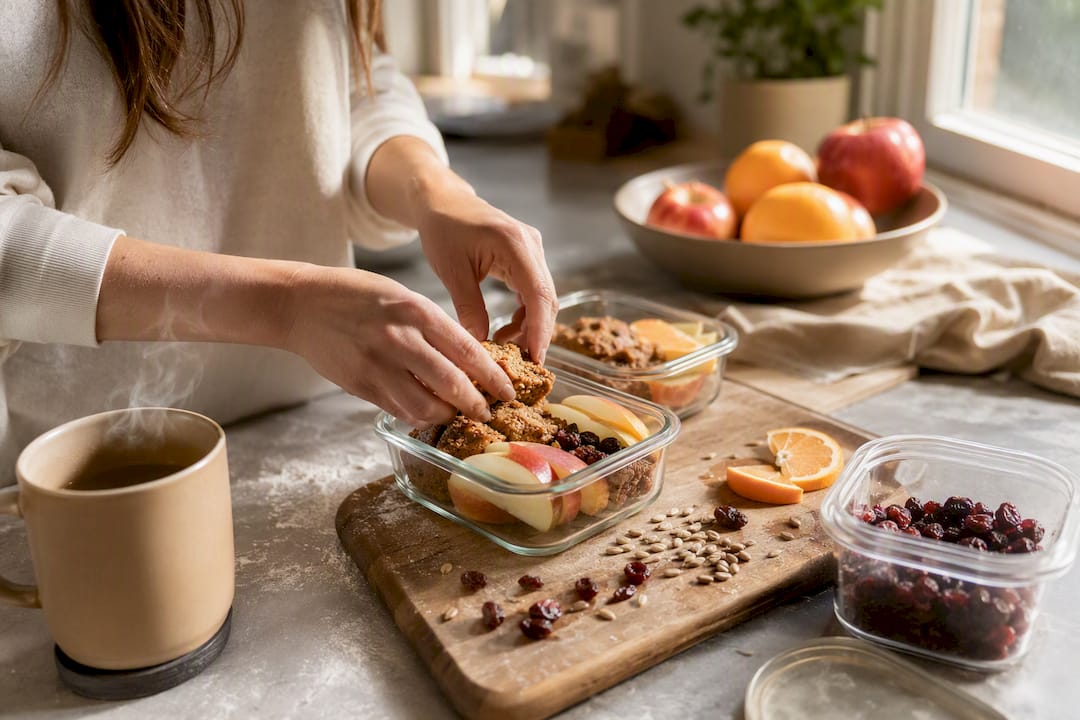
Pro Tip: Batch-prep on Sundays with reusable containers portioned for the week, and keep a stash of single-serve tuna or salmon packets in your bag or desk. They need no refrigeration until opened, which solves the biggest logistical problem with high-protein snacking on a busy schedule.
Plant-Based and Vegetarian Protein Snacks Around 200 Calories
Plant-based eaters aren’t stuck with granola bars and hummus alone. Several options here rival animal proteins gram for gram.
- 1 cup shelled edamame: 190 calories, 18 grams of protein, and a complete protein since soybeans carry all nine essential amino acids.
- 1/2 cup roasted chickpeas: About 180 calories, 10 grams of protein, plus 6 grams of fiber.
- 1 oz pumpkin seeds + small apple slices: Roughly 200 calories, 9 grams of protein.
- 4 oz baked tofu bites, seasoned: About 120 calories, 12 grams of protein; pair with a small handful of almonds to round out the calorie budget.
- 1/2 cup black beans + 2 tbsp salsa: Around 110 calories, 7 grams of protein; beans are a complementary protein, so pairing with rice or seeds later in the day fills any amino acid gaps.
- 1 cup soy milk + 1 tbsp peanut butter: About 190 calories, 10 grams of protein.
Edamame and tofu count as complete proteins on their own, while beans and seeds work better paired with grains across the day rather than in a single sitting. Frozen single-serve edamame trays and store-bought air-fried chickpeas make these nearly as grab-and-go as their animal-protein counterparts.
When Should You Reach for a 200-Calorie Protein Snack?
Not every hungry moment calls for the full 200 calories. If your next meal is 60 to 90 minutes away, a lighter snack with 5 to 10 grams of protein, like a hard-boiled egg white or a small handful of almonds, usually does the job without crowding out your appetite for dinner. If you’ve got two or more hours before your next real meal, a fuller ~200-calorie, protein-rich snack makes a lot more sense.
Cleveland Clinic’s guidance on protein and weight management points to spacing protein intake across the day, rather than loading it all into one or two meals, as more effective for both muscle maintenance and appetite control. That’s the whole logic behind snacking with intention instead of grabbing whatever’s closest.
Timing around workouts matters too. A 200-calorie, protein-forward snack in the 30 to 60 minutes after resistance training gives your muscles the raw material they need for recovery. Before a workout, the same snack can help stave off the mid-session energy crash, especially if it’s paired with a small amount of carbohydrate. Outside of those windows, think of these snacks as a buffer: something that keeps you from arriving at dinner starving and ready to eat past the point of comfort.
Six Sample Snack Combos, Organized by Goal
Different goals call for different pairings. Here are six that cover the situations you’ll actually run into during a normal week.
- Weight loss, option one: 3/4 cup low-fat cottage cheese + 1/2 cup pineapple chunks. About 170 calories, 18 grams of protein. Pack in a small mason jar for easy transport.
- Weight loss, option two: 1 cup plain nonfat Greek yogurt + cinnamon. Around 130 calories, 22 grams of protein, with room to add a few berries if you want.
- Muscle maintenance, option one: 1 cup skim milk blended with 1 scoop whey protein. Roughly 200 calories, up to 30 grams of protein. Bring a shaker bottle and mix on the spot.
- Muscle maintenance, option two: 3 oz rotisserie chicken breast + small orange. About 180 calories, 26 grams of protein. Great post-workout when you want real food, not a shake.
- On-the-go, option one: 1 Bell’s Protein Pantry Blueberry Muffin serving, wrapped and grabbed on your way out the door. Around 200 calories with 17 grams or more of protein, no refrigeration needed until you’re ready to eat it.
- On-the-go, option two: 1 turkey jerky stick + 1 string cheese. About 140 calories, 15 grams of protein, and both hold up fine in a bag or car for hours.
Pro Tip: Keep an insulated lunch bag with one small ice pack in your car or at your desk. It turns cottage cheese, yogurt, and chicken from “eat within the hour” foods into all-day options.
Why Protein Makes These Snacks Actually Work
Protein does more than fill a macro target on a label. It slows gastric emptying, which is the biological reason a protein-forward snack keeps you satisfied longer than a carb-only one of the same calorie count. It also helps stabilize blood sugar, avoiding the spike-and-crash pattern that leaves you hunting for another snack an hour later.
The body can only use so much at once, generally somewhere between 20 and 40 grams of protein per sitting for muscle repair and maintenance, which is exactly why spacing protein across smaller snacks throughout the day works better than trying to front-load it into one meal. The practical takeaway: aim for 10 to 20 grams of protein per snack, and you’ll balance fullness against your calorie budget without overthinking it.
Why We Bake This Way
We started Bell’s Protein Pantry as a mother-daughter team who got tired of choosing between a snack that tasted good and one that actually supported our goals. If you’re looking to batch-prep, a Bell’s mix baked ahead and portioned into single servings might be the easiest 200-calorie snack you make all week.
A Baked Option That Fits Right Into Your 200-Calorie Target
Not every high-protein snack needs to come from a can or a shaker bottle. Bell’s Protein Pantry built its Banana Bread and Blueberry Muffin mixes specifically for this middle ground: real baked texture, real flavor, and 17 to 19 grams of protein packed into a single serving that lands close to 200 calories.
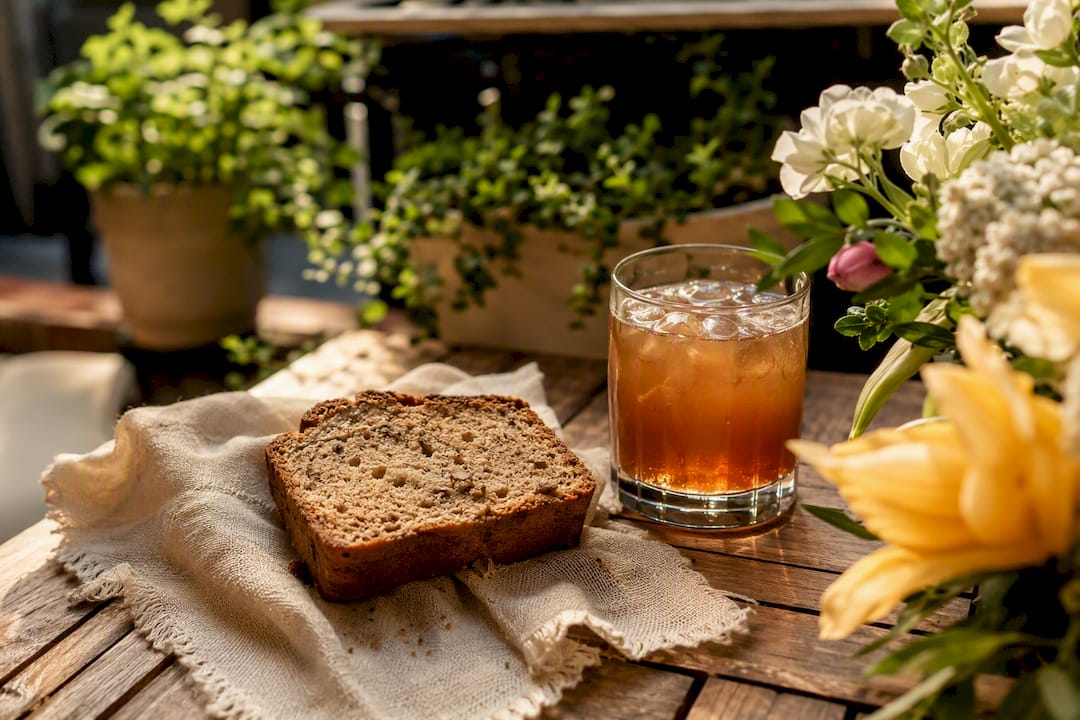
Bake a batch on Sunday, slice it into individual servings, and wrap each one for the week. That single step turns a homemade treat into a grab-and-go snack that beats most packaged protein bars on both taste and ingredient quality. Browse the full protein baking mixes lineup and portion your first batch this week.
Sources
- High-protein snacks to build muscle and keep hunger at bay — Harvard Health
- Edamame nutrition — NutriScan
- How much protein to eat to lose weight — Cleveland Clinic
- Health
- USDA FoodData Central — food details
For exact numbers on a specific brand or product in your pantry, search it directly on USDA FoodData Central. It’s free, government-run, and the most reliable place to double-check calories and protein grams before you commit a food to your weekly rotation.
Recommended
- High Protein Weight Loss Snacks That Actually Work – Bell’s Protein Pantry
- Best High Protein Snacks for Fitness and Real Results – Bell’s Protein Pantry
- Portable Protein Snacks for Busy, Health-Conscious People – Bell’s Protein Pantry
- Protein Snacks for Seniors: Easy, Low-Sugar Options – Bell’s Protein Pantry