
High Satiety Snacks That Actually Keep You Full

The most filling snacks share one trait: they deliver a meaningful protein dose in a moderate range, paired with fiber and/or a small amount of healthy fat. That combination triggers appetite hormones that signal fullness, slows digestion, and keeps blood sugar steady between meals. If you want a shortlist you can use right now, here it is:
- Nonfat Greek yogurt + berries (1 cup Greek yogurt ≈ 17 g protein)
- Cottage cheese + pineapple chunks (½ cup cottage cheese ≈ 12–14 g protein)
- Tuna pouch + cucumber slices (one pouch ≈ 16–17 g protein)
- Hard-boiled eggs + apple (two eggs ≈ 12 g protein, apple adds fiber)
- A Bell’s Protein Pantry muffin + a piece of fruit (17–19 g protein per serving, all-natural ingredients)
Each of these hits the protein target, adds fiber or volume, and takes under five minutes to assemble. The satiety score system used by nutrition researchers classifies foods scoring above 60 as highly satiating. Every option above earns that threshold when portioned correctly.
Table of Contents
- What makes high satiety snacks more filling?
- What does the research say about satiety scores?
- Which snacks actually keep you full between meals?
- How do you snack without overdoing the calories?
- A make-ahead recipe: high-protein muffins with Bell’s Protein Pantry
- When should you actually snack?
- A one-week snack plan to try right now
- Key Takeaways
- The snack strategy most people overlook
- Bell’s Protein Pantry fits right into this strategy
- Useful sources
What makes high satiety snacks more filling?
Protein and fiber are the two strongest, most consistent drivers of between-meal fullness. Understanding why helps you build snacks that actually work rather than ones that just sound healthy.
Protein triggers the release of appetite-suppressing hormones GLP-1 and PYY while also slowing gastric emptying, meaning food stays in your stomach longer. A snack with a small amount of protein barely moves the needle, while a moderate protein amount produces a measurable reduction in hunger at the next meal, according to randomized trial data.
Fiber adds bulk, feeds gut bacteria that produce satiety signals, and slows glucose absorption. Soluble fiber (found in oats, apples, and legumes) forms a gel in the gut that physically slows digestion. Insoluble fiber (found in vegetables and whole grains) adds volume without calories.
Low energy density is the third lever. Foods with high water content, like cucumber, celery, or berries, let you eat a satisfying volume for very few calories. Your stomach stretch receptors register the volume and send fullness signals to the brain.
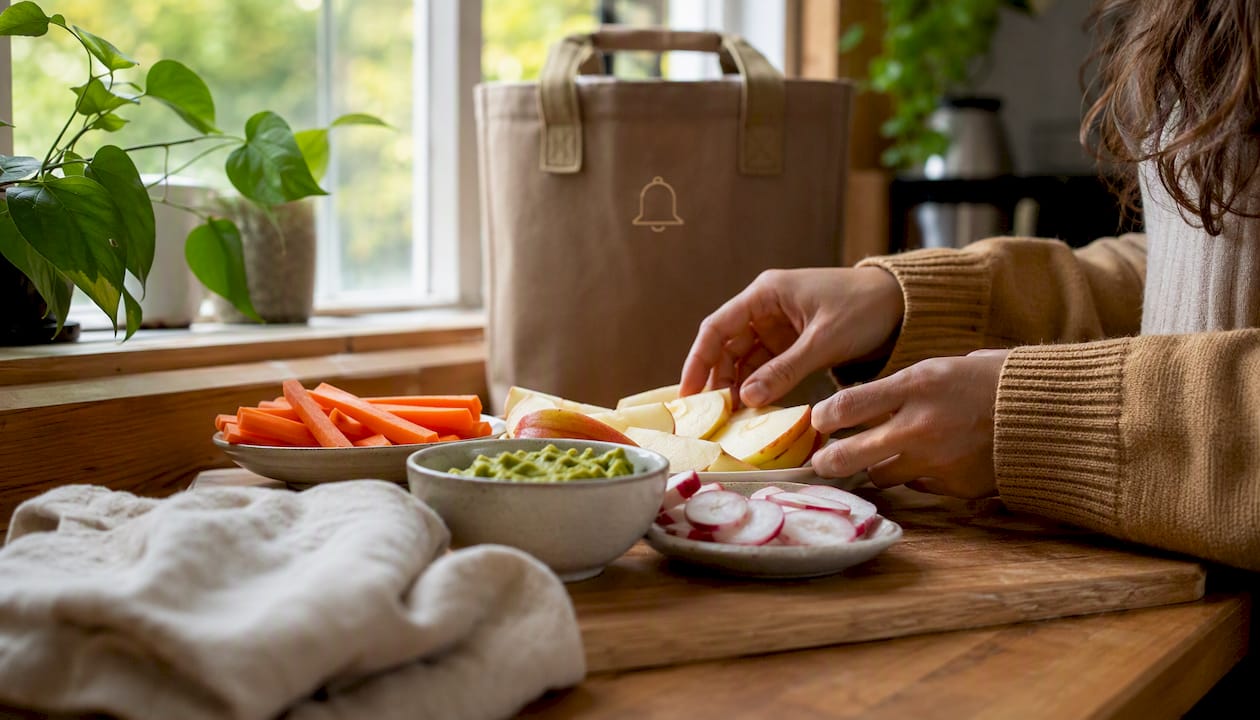
Healthy fats slow digestion and add flavor satisfaction, though they are calorie-dense. A small amount, like a tablespoon of almond butter or a few walnuts, rounds out a snack without tipping the calorie count too high.
Here are the four properties to target when building a satiating snack:
- Protein: aim for at least 12 g per snack from whole-food sources (dairy, eggs, legumes, lean meats)
- Fiber: at least 3–5 g from fruit, vegetables, or whole grains
- Low energy density: add volume with water-rich vegetables or fruit
- Healthy fat: a small portion to slow digestion and add satisfaction
Pro Tip: Registered dietitians recommend combining protein, fiber, and healthy fats in every snack rather than focusing only on low calories. A 100-calorie rice cake leaves you hungry in 30 minutes; a 150-calorie Greek yogurt with berries keeps you full for two hours.
What does the research say about satiety scores?
Foods scoring above 60 on the satiety index are classified as highly satiating, and protein-led snacks consistently land in that range. Two concrete examples from DietDoctor’s scoring system: part-skim mozzarella with cucumber scores 76, and full-fat mozzarella scores 62. Both clear the threshold, but the lower-fat version scores higher partly because the protein-to-calorie ratio is better.
Randomized controlled trials back this up. Some trials found that a moderate protein snack reduced afternoon hunger and delayed the next eating occasion compared with an energy-matched high-fat snack. The dose-response signal was clear: higher protein doses produced stronger effects, which is why the 15–25 g target has become a practical benchmark in nutrition guidance.
A peer-reviewed PMC review found that whole foods high in protein, fiber, and whole grains, including nuts, yogurt, prunes, and popcorn, consistently enhance satiety and support appetite control compared with processed, high-refined-carb snacks.
| Snack | Approx. Satiety Score | Key Driver |
|---|---|---|
| Part-skim mozzarella + cucumber | 76 | Protein + volume |
| Full-fat mozzarella | 62 | Protein + fat |
| Greek yogurt (nonfat, plain) | High (>60) | Protein + low energy density |
| Air-popped popcorn | Moderate | Fiber + volume |
| Almonds (28 g) | Moderate | Protein + fat + fiber |
The practical takeaway from this body of evidence: snack quality matters more than snack frequency. One well-constructed snack with a moderate protein amount outperforms several low-protein snacks in hunger control.
Which snacks actually keep you full between meals?
The pattern is simple: start with a protein-forward base, add fiber from fruit or vegetables, and include a small fat if the snack needs more staying power. Here is a categorized list with serving-size estimates and quick notes on why each works.
Dairy and eggs
- Greek yogurt (1 cup, nonfat plain): ≈17 g protein, ≈100 kcal. Fast-digesting whey protein triggers quick satiety signals.
- Cottage cheese (½ cup): ≈12–14 g protein, ≈90 kcal. Casein-dominant, so it digests slowly and produces more sustained fullness, making it a smart pick for longer gaps between meals.
- Hard-boiled eggs (2 eggs): ≈12 g protein, ≈140 kcal. Portable, shelf-stable for a few hours, and pair well with an apple for added fiber.
- String cheese (2 sticks) + cucumber: ≈14 g protein. The cucumber adds volume and crunch for almost no calories.
Seafood and lean meats
- Tuna pouch (one 2.6 oz pouch): ≈16–17 g protein, ≈70–80 kcal. One of the best protein-per-calorie ratios of any portable snack.
- Low-sugar beef or turkey jerky (1 oz): ≈9–10 g protein. Check labels for added sugar; aim for under 3 g per serving.
- Turkey + cheese roll-ups (2 slices turkey, 1 slice cheese): ≈14 g protein. Takes 90 seconds to make and travels well.
Plant-based protein and fiber
- Edamame (½ cup shelled): ≈8–9 g protein plus fiber. One of the few plant snacks that meaningfully contributes to the protein target.
- Roasted chickpeas (¼ cup): ≈6 g protein, ≈120 kcal. Crunchy, satisfying, and high in both protein and fiber.
- Hummus (3 tbsp) + veggie sticks: ≈5–6 g protein. Pair with bell pepper, celery, or carrots for volume and fiber.
Nuts and seeds (portion matters)
- Almonds (28 g, about 23 nuts): ≈6 g protein, ≈160 kcal. Research shows moderate almond portions reduce subsequent meal intake; larger servings can negate the calorie benefit.
- Pumpkin seeds (2 tbsp): ≈5 g protein, ≈70 kcal. Higher protein density than most seeds.
High-volume, low-calorie options
- Air-popped popcorn (3 cups): ≈90–100 kcal with fiber and volume. Add nutritional yeast for a savory flavor boost and a small protein bump.
- Celery + almond butter (2 tbsp): Volume from celery, healthy fat and protein from almond butter.
Protein baking mixes (make-ahead)
- Bell’s Protein Pantry muffin + piece of fruit: 17–19 g protein per serving, made with all-natural ingredients and significantly reduced sugar. Bake a batch Sunday, grab one all week.
DietDoctor’s guidance recommends targeting snacks that provide at least 12 g protein and fall between 100–200 kcal for effective between-meal satiety. Most options above hit that range.
How do you snack without overdoing the calories?
The satiety benefit of even the best snacks depends on portion size. A rough target: aim for moderate calorie content per snack depending on your goals, and portion protein to a meaningful amount when possible.

Calorie-dense options like nuts and trail mix are where most people quietly overshoot. PMC research shows that moderate nut portions (28–42 g almonds) can trigger compensatory reductions at the next meal, while larger habitual servings often add net calories. The fix is simple: pre-portion into small bags or containers before you get hungry.
Concrete portion rules to follow:
- Almonds: a small portion amount
- Greek yogurt: 1 cup = ≈17 g protein; single-serve containers make this easy
- Nut butter: 1–2 tablespoons, not a heaping spoon
- Protein bars: read the label; many “high-protein” bars contain 8–10 g protein and 250+ kcal
Mindful strategies that actually help: plate your snack instead of eating from the package, eat slowly and without screens, drink a glass of water first (thirst often mimics hunger), and use hunger cues rather than the clock to decide whether to snack.
Pro Tip: When reading a label, skip the “high-protein” headline and check the protein-to-calorie ratio instead. A snack with 10 g protein and 300 kcal is less effective for satiety than one with 15 g protein and 150 kcal. The ratio tells the real story.
A make-ahead recipe: high-protein muffins with Bell’s Protein Pantry
A single batch of muffins made with a Bell’s Protein Pantry mix delivers 17–19 g protein per serving and stores well for four to five days, making it one of the easiest grab-and-go high-fiber and protein snack options you can prep in under 30 minutes.
Ingredients:
- 1 bag Bell’s Protein Pantry Blueberry Muffin Mix
- Eggs and any additional mix-ins listed on the package
- Optional: 1 tbsp ground flaxseed per batch for extra fiber
Steps:
- Preheat oven to 350°F and line a standard muffin tin with paper liners.
- Combine the mix with eggs and any wet ingredients per package directions.
- Stir in ground flaxseed if using (adds fiber without changing texture noticeably).
- Divide batter evenly across 6 muffin cups.
- Bake 18–22 minutes until a toothpick comes out clean.
- Cool on a wire rack, then store in an airtight container in the refrigerator.
Yield: 6 muffins | Prep time: 5 minutes | Bake time: 18–22 minutes
Nutrition per muffin (approx.): 17–19 g protein, reduced sugar compared with standard muffin mixes. Pair with a piece of fruit for added fiber, or spread a thin layer of almond butter on top for a healthy fat boost.
Pro Tip: Ground flaxseed or psyllium husk (1 tsp per batch) adds soluble fiber without affecting the texture or flavor. It also slows digestion slightly, which extends the fullness window past the muffin alone.
When should you actually snack?
Snack when you have real, physiological hunger between meals, not out of habit or boredom. A quick three-question pause helps: rate your hunger on a 1–10 scale (snack if you are at a 5 or below), check when you last ate, and consider when your next meal is. If your last meal was 90 minutes ago and dinner is in 45 minutes, you probably do not need a snack.
Good times to snack:
- 3–4 hours after a meal with no upcoming meal soon
- 30–60 minutes before a workout (protein + carb combo)
- Within 30–60 minutes after a hard workout for recovery
- When you notice low energy, difficulty concentrating, or stomach emptiness
When to skip the snack:
- Within 90 minutes of a full meal
- When the urge is driven by stress, boredom, or habit
- When you are about to eat a meal within the hour
If you find yourself snacking frequently throughout the day, the better fix is usually raising protein at your main meals rather than adding more snacks. A high-protein breakfast that hits 25–30 g protein often eliminates mid-morning hunger entirely. Snacks work best as a bridge, not a crutch.
A one-week snack plan to try right now
Prioritize protein first, pair with fiber, watch portions on calorie-dense items, and use snacks as a bridge between meals rather than a meal replacement. That is the whole strategy. Here is a simple week to test it:
- Monday: 1 cup Greek yogurt + ½ cup mixed berries
- Tuesday: 1 tuna pouch + cucumber slices + a few whole-grain crackers
- Wednesday: 1 Bell’s Protein Pantry muffin + 1 medium apple
- Thursday: 2 hard-boiled eggs + 1 small apple
- Friday: ½ cup shelled edamame + a pinch of sea salt
- Saturday: ½ cup cottage cheese + pineapple chunks
- Sunday: 3 cups air-popped popcorn + 2 tbsp nutritional yeast
Track your hunger level (1–10) before and 90 minutes after each snack. If you are still hungry at a 4 or below after 90 minutes, increase the protein portion at your next meal rather than adding a second snack. If daily calories are drifting above your target, the first place to look is portion size on nuts, nut butters, and cheese.
A few quick adjustments to keep in mind:
- Swap any snack for a portable protein option when you are traveling or away from a kitchen
- Pre-portion everything Sunday so weekday decisions require zero effort
- Drink water with every snack; hydration supports the fullness signal
Key Takeaways
The most effective high-satiety snacks combine at least 12 g protein with fiber and a small amount of healthy fat, a pattern backed by randomized trials and satiety-score research.
| Point | Details |
|---|---|
| Protein dose drives fullness | Aim for snacks that provide at least 12 g protein per serving; token 3–5 g amounts produce little satiety effect. |
| Add fiber to every snack | Pair protein with fruit, vegetables, or whole grains to slow digestion and add volume. |
| Portion calorie-dense snacks | Pre-portion nuts to 28–42 g; larger servings often add net calories without extra fullness. |
| Snack on hunger, not habit | Use a quick hunger check (rate 1–10) before snacking; raise meal protein if you snack constantly. |
| Bell’s Protein Pantry mixes | Deliver 17–19 g protein per serving with reduced sugar, making them a convenient make-ahead snack option. |
The snack strategy most people overlook
Most snacking advice focuses on what to eat. The more useful question is why a snack is not working, and the answer is almost always the same: not enough protein in the snack, or not enough protein at the meal before it.
We have seen this pattern repeatedly. Someone swaps chips for almonds and wonders why they are still hungry an hour later. Almonds are a good snack, but 28 g of almonds delivers about 6 g of protein. That is not enough to move the satiety needle on its own. The fix is pairing them with a protein source, or choosing a snack that leads with protein from the start.
The other thing people underestimate is convenience. The best snack plan falls apart on a busy Tuesday when there is nothing prepped and the easiest option is a vending machine. That is exactly why we built Bell’s Protein Pantry mixes the way we did: bake a batch of muffins once, and you have a 17–19 g protein snack ready to grab all week. No assembly required, no label math, just real food that works.
Bell’s Protein Pantry fits right into this strategy
Hitting 17–19 g protein in a snack without eating a chicken breast mid-afternoon is harder than it sounds. Bell’s Protein Pantry baking mixes solve that problem with a format people actually enjoy.
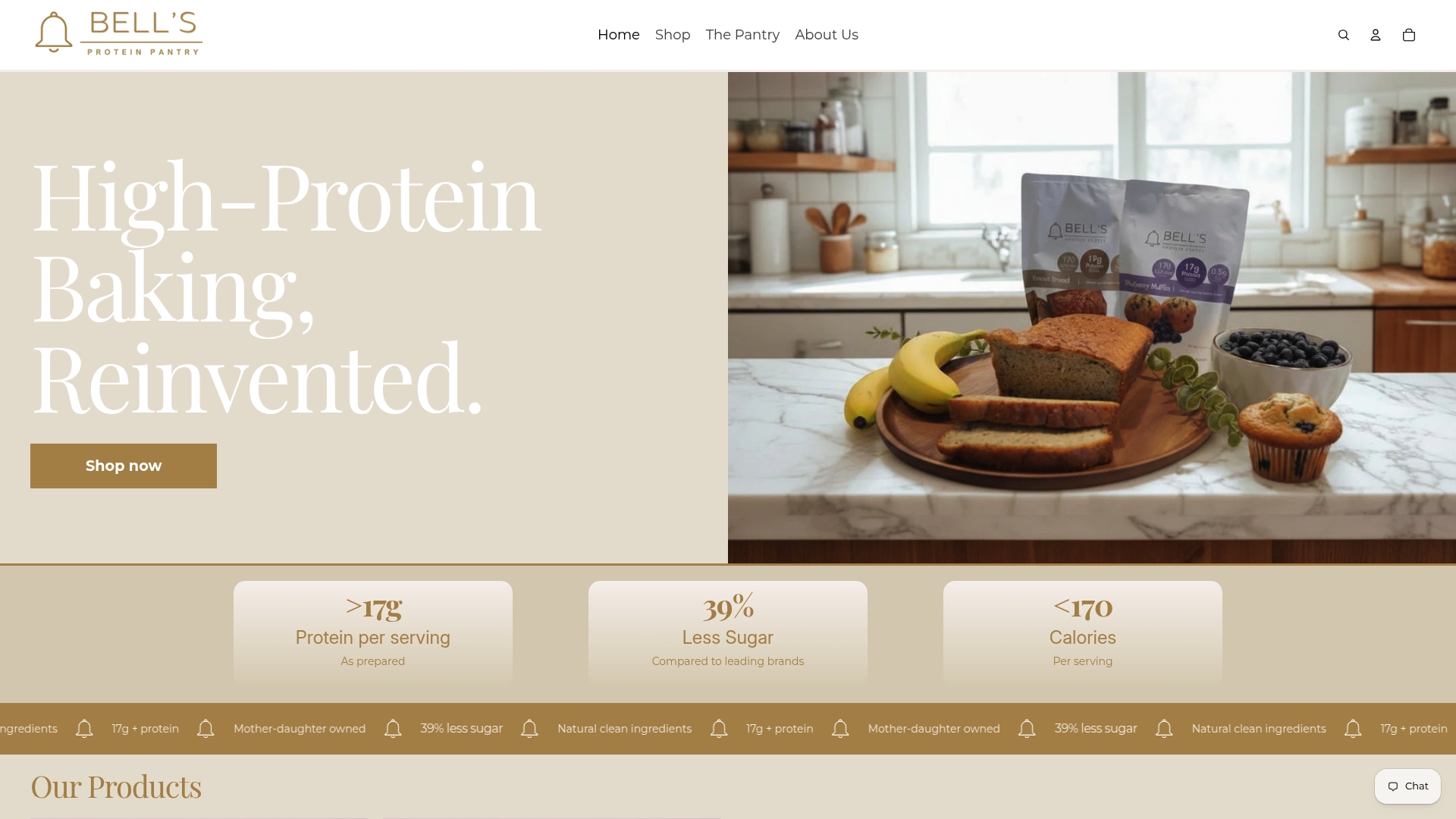
Our Banana Bread and Blueberry Muffin mixes are made with all-natural ingredients and contain 39% less sugar than leading brands, so you get a real, satisfying snack without the sugar spike that sends you back to the kitchen an hour later. Bake a batch, portion into single-serve containers, and pair with a piece of fruit or a thin spread of almond butter for fiber and healthy fat. That combination checks every box: protein target met, fiber added, healthy fat included, and it tastes like something you actually want to eat.
Bell’s Protein Pantry is a mother-daughter owned brand built around the idea that healthy eating should not feel like a compromise. Browse our protein baking mixes and pick the one that fits your week.
Useful sources
These are the primary sources and further reading behind this article:
- Snack Food, Satiety, and Weight (PMC/NIH) — Peer-reviewed systematic review covering how protein, fiber, and whole-food snacks affect satiety and appetite control.
- A mid-morning snack of almonds generates satiety (PMC) — RCT examining 28 g and 42 g almond portions and their effect on subsequent meal intake.
- 17 tasty high-satiety snacks (DietDoctor) — Satiety score examples and practical snack list with scoring methodology.
- 30 high-protein snacks that are healthy and portable (Healthline) — Practical snack list with protein and calorie estimates for Greek yogurt, cottage cheese, tuna, eggs, and more.
- 5 low-calorie snacks that will actually keep you full (Health.com) — Practical guide including air-popped popcorn and protein-fiber-fat combo recommendations.
- Bell’s Protein Pantry — Brand landing page with product details, proof points, and ordering information for high-protein baking mixes.
Recommended
- High Protein Weight Loss Snacks That Actually Work – Bell’s Protein Pantry
- Healthy Dessert Ideas That Actually Satisfy Your Sweet Tooth – Bell’s Protein Pantry
- Best High Protein Snacks for Fitness and Real Results – Bell’s Protein Pantry
- Portable Protein Snacks for Busy, Health-Conscious People – Bell’s Protein Pantry