
Fiber and Protein Snacks: Your Home-Baking Guide

The best fiber and protein snacks you can make at home start with a high-protein, low-sugar baking mix. A single batch of mini muffins or pan bars from Bell’s Protein Pantry’s Banana Bread or Blueberry Muffin mix delivers 17+ grams of protein per serving with 39% less sugar than leading brands. That combination hits the targets that matter most for satiety and blood-sugar-conscious snacking.
Here’s what to aim for in a well-built snack:
- Protein: a moderate to high amount per serving to support muscle repair and fullness
- Fiber: a modest amount per serving to slow digestion and sustain energy
- Sugar: a low amount per serving for GLP-1-friendly, blood-sugar-conscious goals
Bake a batch of mini muffins this weekend, portion them into bags, and you have grab-and-go snacks covered for the whole week.
Table of Contents
- Why do fiber and protein snacks work better together?
- What should you check on the label before buying?
- How can you turn a baking mix into portable snacks?
- What does Bell’s Protein Pantry actually deliver?
- How do you pick the right mix for your goals?
- How do you store homemade protein and fiber snacks?
- Key Takeaways
- Why we built Bell’s Protein Pantry around this
- Ready to bake your first batch?
- Research and further reading
Why do fiber and protein snacks work better together?
Protein and fiber each do something the other cannot. Protein supplies the amino acids your muscles need for repair and triggers an immediate fullness response. Fiber slows the rate at which food moves through your digestive tract, which stretches that fullness out over hours. Together, they create a satiety synergy that neither nutrient achieves alone.
For blood-sugar-conscious consumers, including those following GLP-1 protocols, keeping sugar low is a meaningful target. High protein and adequate fiber blunt the post-snack glucose spike that refined carbs cause.
Soluble vs. insoluble fiber: what changes in your snack
Soluble fiber (found in oats, chicory root, and psyllium) dissolves in water and forms a gel in your gut, slowing digestion and feeding beneficial bacteria. Prebiotic fiber like chicory root nourishes the good bacteria already living in your gut — a different benefit than probiotics, which add live cultures. Insoluble fiber (found in whole wheat, bran, and flaxseed) adds bulk and keeps digestion moving. In baked snacks, a blend of both gives you the satiety of soluble fiber and the texture of insoluble fiber without a gummy or dense result.
What should you check on the label before buying?
The single most important rule: look for at least 15–20 g protein, 3–10 g fiber, low sugar per serving. Everything else on the label flows from those three numbers.
Checklist for high-fiber, high-protein snacks and baking mixes:
- Serving size: Check the weight in grams. A small serving size can make protein and fiber numbers look impressive when they are not.
- Protein source: Whey and pea protein are the cleanest, most bioavailable options. Mixed plant proteins work well for vegan goals.
- Fiber source: Chicory root (prebiotic) and whole-grain oats are preferable to isolated maltodextrin-based fillers.
- Added sugars vs. natural sweeteners: Monk fruit and small amounts of honey are cleaner choices than high-fructose corn syrup or maltitol.
- Allergens: Note dairy, gluten, and soy disclosures, especially if you are baking for a family with mixed dietary needs.
Red flags to avoid:
- Sugar alcohols (maltitol, sorbitol) that cause digestive discomfort in larger amounts
- Vague “natural flavors” with no further detail
- Excessive glycerin or soy lecithin used as bulking agents to achieve texture
- Tiny serving sizes that inflate per-serving protein numbers
| Nutrient | Target per snack serving |
|---|---|
| Protein | 15–20 g |
| Fiber | 3–10 g |
How can you turn a baking mix into portable snacks?
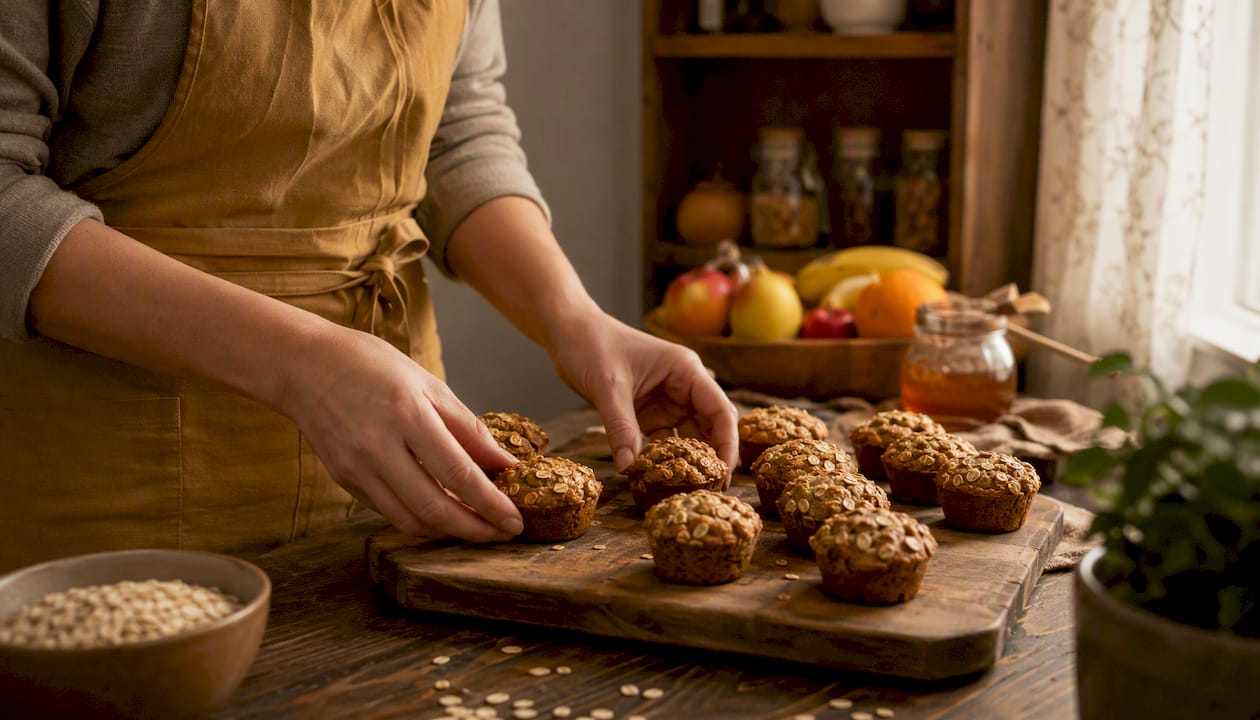
Mini muffins made from Bell’s Protein Pantry mixes are the fastest, highest-impact option. One batch takes about 30 minutes start to finish and gives you a week’s worth of portable, portion-controlled snacks with 17+ g protein each.
- Mini muffins — Use a 24-cup mini muffin tin. Prep: 5 min. Bake: 6-7 min. Yield: 20–24 mini muffins. Pack two or three per snack bag for a pre-portioned grab-and-go option.
- Pan bars — Pour the batter into an 8×8 pan, bake flat, and slice into bars after cooling. Prep: 5 min. Bake: 18-20 min. Yield: 9–12 bars. Easier to stack and wrap than muffins.
- Mini loaves — Use a 6-cavity mini loaf pan for a heartier slice. Prep: 5 min. Bake: 22–25 min. Yield: 6 mini loaves. Great for a more substantial post-workout snack.
- Energy bites (no-bake) — Mix the dry baking mix base with nut butter and a splash of water until a dough forms, then roll into balls and refrigerate. Prep: 10 min. No bake. Yield: 10–14 bites.
| Format | Prep | Bake | Yield |
|---|---|---|---|
| Mini muffins | 5 min | 12–14 min | 12–24 pieces |
| Pan bars | 5 min | 20–22 min | 9–12 bars |
| Mini loaves | 5 min | 22–25 min | 6 loaves |
| Energy bites | 10 min | None | 10–14 bites |
For pairing, a mini muffin alongside Greek yogurt or cottage cheese adds another 10–15 g protein and makes the snack genuinely meal-sized. Coffee or a protein shake works well pre-workout. For portable snack packing, wrap each piece individually in plastic wrap or a small zip bag right after cooling.
Pro Tip: Fold 1 tablespoon of ground flaxseed into the batter before baking. It adds insoluble fiber and omega-3s without changing the flavor, and it helps the muffins hold together better when frozen and thawed.
What does Bell’s Protein Pantry actually deliver?
Bell’s Protein Pantry was built around one idea: you should not have to choose between a snack that tastes like a treat and one that actually supports your health goals. The Banana Bread and Blueberry Muffin mixes both deliver 17+ g protein per serving with 39% less sugar than leading brands, using all-natural ingredients and no artificial flavors or sugar alcohols.
Nutrition highlights:
- 17+ g protein per serving (exact figures on each product page)
- 39% less sugar compared to leading brands
- All-natural ingredients with no sugar alcohols or artificial sweeteners
- Clean protein sources and fiber-forward formulation
The Banana Bread mix is a particularly good starting point if you are new to protein baking. The flavor is familiar, the batter is forgiving, and the result works equally well as a breakfast slice or an afternoon snack. The Blueberry Muffin mix bakes up with a lighter crumb and a natural fruit flavor that makes it feel like a real bakery muffin.
Bell’s is a mother-daughter owned brand, and that shows in how the products are formulated. Clean ingredients, honest nutrition numbers, and a format that fits into a real kitchen routine rather than a supplement regimen.
How do you pick the right mix for your goals?
The three criteria that matter most: protein amount per serving, sugar per serving, and ingredient transparency. Get those right and everything else follows.
If-then decision guide:
- High protein + low sugar goal: Choose a mix with whey or mixed protein and low sugar. Bell’s mixes fit this profile.
- Post-workout recovery: Aim for the higher end of the protein range (18–20 g) and pair with a fast-digesting carb like a small banana.
Budget note: A low price per box is not always a good deal. Check the serving weight. A mix with a 28 g serving size and 15 g protein looks similar on paper to one with a 45 g serving and 17 g protein, but the caloric and nutritional reality is very different. Ask the brand directly about serving weight and fiber source if the label is not clear.
Questions worth asking:
- What is the serving weight in grams?
- Is the sugar reduction from formulation or from a smaller serving size?
- What is the specific fiber source?
How do you store homemade protein and fiber snacks?
Cool baked snacks completely before wrapping. Wrap individually, refrigerate for up to 5 days, or freeze for up to 8 weeks. That is the whole rule. Everything else is just making it easier.
- Freezing: Wrap individual muffins or sliced bread in plastic wrap or place in ziplock bag before feezing.
- Thawing: Pull a piece from the freezer the night before and let it thaw in the fridge. For a warm snack, 20–25 seconds in the microwave or 5 minutes in a toaster oven restores the texture.
- Avoiding sogginess: Fiber-rich baked goods hold more moisture than standard recipes. A brief toast or warm in the oven firms the exterior back up if a muffin feels soft after thawing.
- Digestive adaptation: If you are increasing fiber intake significantly, add one or two servings per day over a week rather than jumping straight to daily high-fiber snacks. Drink an extra glass of water with each fiber-rich snack to reduce gas or bloating.
For travel and long days, individually wrapped frozen muffins thaw in a bag within a couple of hours at room temperature, making them a practical option for road trips or packed lunches.
Key Takeaways
High-protein, low-sugar baking mixes are the most practical way to make fiber and protein snacks at home that consistently hit 17+ g protein and 3–10 g fiber per serving.
| Point | Details |
|---|---|
| Protein + fiber synergy | Together they sustain fullness longer than either nutrient alone; aim for 15–20 g protein and 3–10 g fiber per snack. |
| Label priority | Check serving weight, protein source, fiber source, and added sugars before buying any mix. |
| Storage rule | Cool completely, wrap individually, refrigerate up to 5 days, or freeze up to 8 weeks. |
| Bell’s Protein Pantry | Delivers 17+ g protein per serving with 39% less sugar than leading brands using all-natural ingredients. |
Why we built Bell’s Protein Pantry around this
Our mission has always been straightforward: help busy, health-conscious people eat real food that actually supports their goals. As a mother-daughter team, we spent a lot of time in the kitchen trying to figure out why healthy baking mixes had to be either high in protein or low in sugar, but never both. That frustration is what led us to develop the Banana Bread and Blueberry Muffin mixes.
We prioritized clean ingredients from the start. No sugar alcohols, no artificial flavors, no fillers. Just a mix that bakes up like something you would be proud to pull out of the oven, with 17+ g protein and 39% less sugar than the leading brands. We use these mixes ourselves on weekday mornings and after workouts, and we built them to fit that kind of real, everyday routine.
Ready to bake your first batch?
Fewer than 30 minutes stand between you and a week’s worth of high-protein snacks cooling on your counter. Bell’s Protein Pantry mixes give you a genuinely clean starting point: 17+ g protein per serving, 39% less sugar than leading brands, and all-natural ingredients you can actually read on the label.
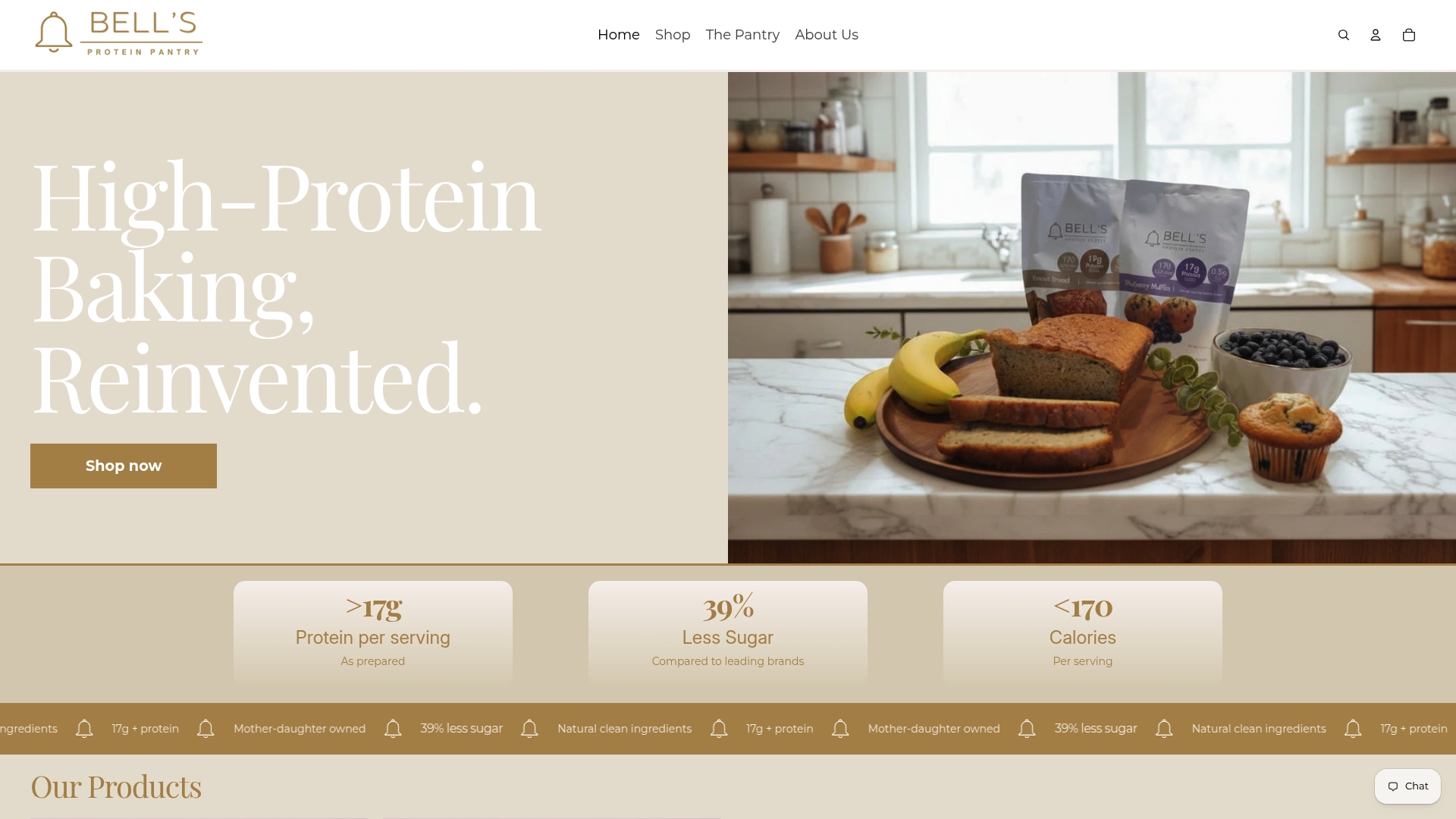
Start with the Banana Bread or Blueberry Muffin mix, or grab both in a sampler to find your favorite. The benefits are built in:
- 17+ g protein per serving
- 39% less sugar versus leading brands
- All-natural ingredients, no sugar alcohols or artificial flavors
- Simple prep — mix, pour, bake, done
Browse the full lineup and pick your starter mix at Bell’s Protein Pantry baking mixes. Your future self, reaching for a muffin at 3 PM instead of a vending machine, will appreciate it.
Research and further reading
- Bell’s Protein Pantry — High-Protein Baking Mixes — Primary source for brand nutrition claims (17+ g protein; 39% less sugar). Backs product spotlight and perspective sections.
- Banana Bread Mix — Bell’s Protein Pantry — Product-level nutrition facts and ingredient details for the Banana Bread mix.
- High Protein Weight Loss Snacks That Actually Work — Bell’s Protein Pantry — Backs the 15–20 g protein and 3–10 g fiber per snack targets used in the label checklist.
- Portable Protein Snacks for Busy, Health-Conscious People — Bell’s Protein Pantry — Supports pairing, portability, and make-ahead tips in the recipe and storage sections.
- Why Bell’s Wins — Bell’s Protein Pantry — Brand story and differentiation page; backs E-E-A-T claims and the sugar-reduction figure.
- High Protein Peanut Butter Crunch PROTEIN+ — B.T.R. Bar — Backs the satiety synergy claim (protein + fiber keep you full longer) and the clean-sweetener rationale.
- Protein+ Prebiotics — Perfect Snacks — Source for prebiotic fiber definition and gut-health distinction between prebiotics and probiotics.
- FiberOne Peanut Butter Chocolate Protein Bars — Fiber One — Backs the 1–5 g sugar per serving target for GLP-1-friendly snacking.
- Vanilla Almond Protein Bar — Healthy Truth — Supports the bulking-agent red flag (glycerin, soy lecithin) and the home-baking advantage for ingredient control.
Recommended
- Portable Protein Snacks for Busy, Health-Conscious People – Bell’s Protein Pantry
- Best High Protein Snacks for Fitness and Real Results – Bell’s Protein Pantry
- Low Glycemic Baking: Your Guide to Stable Blood Sugar – Bell’s Protein Pantry
- Protein Snacks for Seniors: Easy, Low-Sugar Options – Bell’s Protein Pantry