
Is Banana Bread Healthy? A Protein-Forward Guide

Banana bread can absolutely be part of a healthy diet — but whether a specific loaf qualifies depends almost entirely on the recipe. Traditional versions made with a cup or more of white sugar, refined all-purpose flour, and a generous pour of butter land closer to dessert than breakfast. Swap in whole-grain flour, cut the sugar, and add a protein source, and you have something genuinely nourishing.
Here’s the quick version:
- The nutrition problem with most recipes: Classic banana bread slices vary widely in calories and sugar content and often have minimal protein or fiber. That combination spikes blood sugar fast and leaves you hungry an hour later.
- The real benefit: Bananas themselves bring potassium, vitamin B6, and natural sweetness, so you can reduce added sugar significantly without losing flavor.
- The practical fix: Choose recipes built on whole grains and a protein source. The American Heart Association’s banana bread recipe shows just how far you can go: 88 calories per serving, no added sugar, and a macro profile that actually supports a balanced morning.
- The shortcut: If you want the protein and lower sugar without the recipe math, Bell’s Protein Pantry’s banana bread mix delivers 17+ grams of protein per serving with 39% less sugar than leading brands.
USDA FoodData Central is the gold standard for checking ingredient-level macros when you’re comparing recipes. Healthline’s overview frames it well: banana bread is a spectrum, and where your loaf lands depends on what goes into it.
Key Takeaways
Banana bread is healthy when the recipe prioritizes whole grains, reduced added sugar, and a meaningful protein source — traditional versions made with refined flour and a cup of sugar are closer to dessert.
| Point | Details |
|---|---|
| Recipe determines health value | Traditional banana bread is high in added sugar and refined carbs; whole-grain, protein-boosted versions are genuinely nutritious. |
| Top swaps to make | Replace refined flour with whole-wheat or oat flour, cut sugar by relying on ripe bananas, and add Greek yogurt or protein powder. |
| Protein and fiber matter most | Adding protein and fiber slows digestion, increases fullness, and reduces the blood glucose spike from the carbohydrates. |
| Who should be cautious | People with diabetes, those on weight-loss plans, and young children should limit portions and choose lower-sugar, higher-protein versions. |
| Bell’s Protein Pantry option | Bell’s banana bread mix delivers 17+ grams of protein per serving with 39% less sugar than leading brands, no recipe math required. |
Table of Contents
- Is banana bread healthy? What the nutrition numbers actually show
- Why many classic banana breads are more treat than health food
- Practical swaps that make banana bread genuinely healthier
- Healthier banana bread recipes you can make this week
- Who should limit or avoid banana bread?
- How to fit banana bread into a balanced meal plan
- Storing, freezing, and reheating banana bread
- What the research says about baked goods and whole-grain choices
- Our take on what “healthy banana bread” actually means
- Bell’s Protein Pantry banana bread mix: protein-forward, lower sugar
- Sources
Is banana bread healthy? What the nutrition numbers actually show
Numbers tell the real story here. A standard homemade slice using a traditional recipe looks very different from a recipe built with health in mind.
| Nutrient | Traditional slice (~100g) | Healthier template (~100g) |
|---|---|---|
| Calories | 250–300 kcal | 160–190 kcal |
| Total carbs | 40–50g | 22–30g |
| Added sugars | 22–26g | 3–4g |
| Total fiber | 1–2g | 3–5g |
| Protein | 3–4g | 8–17g |
| Total fat | 8–12g | 4–8g |
| Saturated fat | 4–6g | 1–3g |
| Sodium | 200mg | 150–220mg |
Traditional slice estimates based on common recipe macros; healthier template reflects whole-grain, reduced-sugar, protein-boosted versions. Per-serving values vary by recipe and slice thickness. Macro estimates derived from ingredient-level data via USDA FoodData Central.
A single slice of traditional banana bread can contain as much added sugar as two chocolate chip cookies. The AHA’s no-added-sugar version comes in at just 88 calories per serving — roughly one-third the calorie load of a standard bakery slice.
What those numbers mean in practice:
- Blood sugar: A high-sugar, low-fiber slice digests quickly, producing a rapid glucose rise followed by an energy crash. A fiber- and protein-rich version slows that curve considerably.
- Satiety: Three to four grams of protein does almost nothing to keep you full. Eight to seventeen grams, paired with three to five grams of fiber, changes the meal’s staying power.
- Daily calorie budget: At 250–300 calories with minimal protein, a traditional slice is a significant calorie spend for modest nutritional return. The healthier template earns its place in a morning meal.
Why many classic banana breads are more treat than health food
The ingredients list of a typical banana bread recipe reads like a dessert: one cup of white sugar, two cups of all-purpose flour, half a cup of butter or vegetable oil, and sometimes a handful of chocolate chips or a cream cheese swirl on top. Each of those choices nudges the loaf further from health food.
- Refined white flour strips out the bran and germ, removing most of the fiber and B vitamins. What’s left digests fast, contributing to the blood sugar spike problem.
- Added sugar in most recipes ranges from 150 to 200 grams per loaf. Spread across eight slices, that’s still 19–25 grams per serving — close to the American Heart Association’s entire recommended daily limit for women.
- Butter and oil add calories quickly. Half a cup of butter contributes roughly 800 calories and significant saturated fat to the whole loaf before a single banana goes in.
- Calorie-dense add-ins like chocolate chips, walnuts in heavy quantities, or cream cheese frosting can push a single slice past 350 calories.
The physiological result is predictable: a fast-digesting, low-satiety food that’s easy to eat two or three slices of before you realize it. Healthline’s analysis confirms that most traditional recipes are high in refined carbs and added sugar, and that ingredient swaps are the most effective lever for improving nutritional quality.
Store-bought banana bread tends to be even more problematic. Commercial versions often include enriched flours, added preservatives, and higher sugar loads compared with homemade, which gives you full control over every ingredient.
Pro Tip: When evaluating any banana bread recipe at a glance, check two numbers first: added sugar per serving (aim for under 8g) and protein per serving (aim for at least 6g). If a recipe fails both, it’s dessert.
Practical swaps that make banana bread genuinely healthier
The good news is that banana bread is one of the most forgiving baked goods to modify. The banana itself provides moisture, binding, and sweetness, which means you can cut back on sugar, fat, and refined flour without the loaf falling apart.
Whole-grain and alternative flours
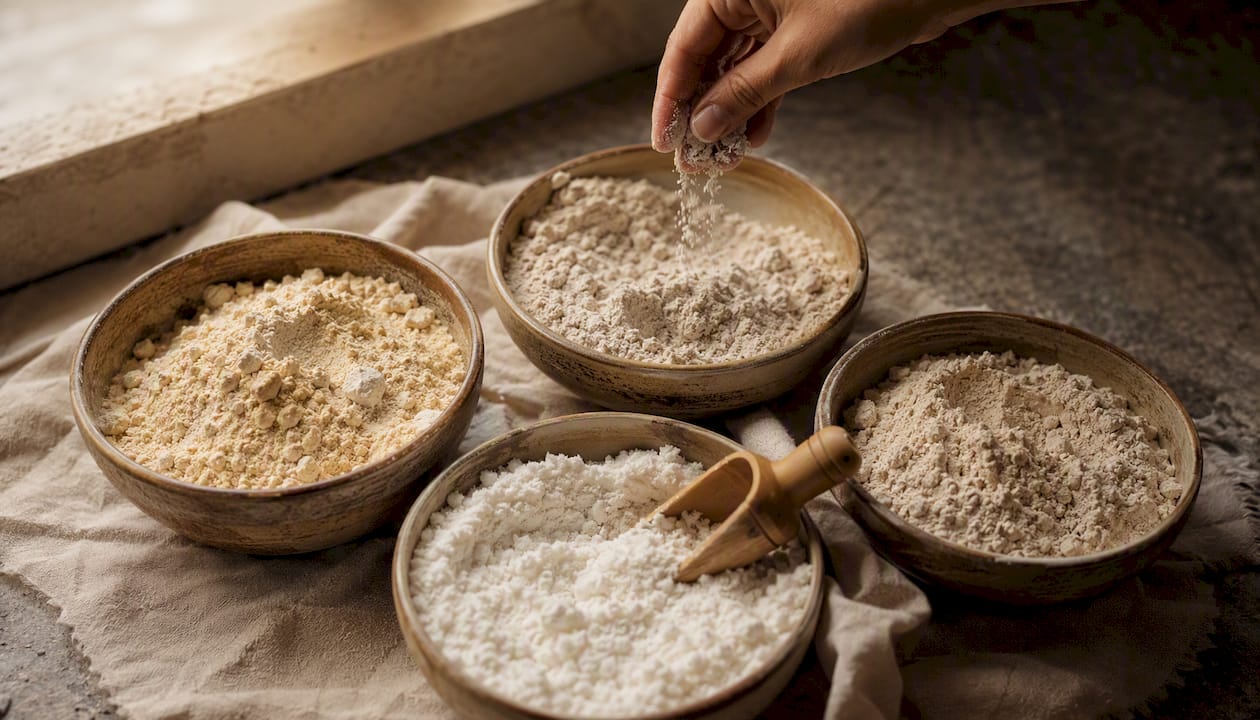
Replacing all-purpose flour with whole-wheat flour adds fiber and a slightly nutty flavor. Oat flour works well too and keeps the texture tender. Almond flour lowers carbs significantly and adds healthy fat and protein, but it requires less liquid and a slightly longer bake time since it doesn’t absorb moisture the same way. Chickpea flour is a higher-protein option that works best in a blend rather than as a full replacement.
Sweetener strategies
Ripe bananas are your biggest ally here. The riper the banana (think: fully spotted, almost black peel), the sweeter it tastes, which means you can cut added sugar by half or more without noticing. Beyond that:
- Reduce granulated sugar to 2–4 tablespoons per loaf instead of a full cup.
- A tablespoon of pure maple syrup or raw honey adds flavor complexity with less volume than white sugar.
- Monk fruit sweetener and erythritol are zero-calorie options, but the AHA advises against using nonnutritive sweeteners in foods and drinks for children under age 2, and recommends limiting them for older children as well.
Protein and fiber boosts
This is where the biggest nutritional shift happens. Adding protein and fiber to baked goods measurably increases post-meal fullness and can blunt the blood glucose response compared with refined-carb versions.
- Greek yogurt: Replace half the oil or butter with plain Greek yogurt. It adds protein, keeps the loaf moist, and cuts saturated fat.
- Protein powder: One scoop of vanilla or unflavored whey or plant-based protein powder adds 20–25 grams of protein to the whole loaf. Reduce flour by about 2 tablespoons to compensate for the extra dry ingredient.
- Ground flaxseed: Two tablespoons add about 4 grams of fiber and healthy omega-3 fats. They also act as a partial egg replacer for vegan versions.
- Rolled oats: Stir in half a cup for extra fiber and a heartier texture.
For a deeper look at boosting banana bread’s protein content, the approach is straightforward: layer two or three of these additions rather than relying on just one.
Fat swaps and portion control
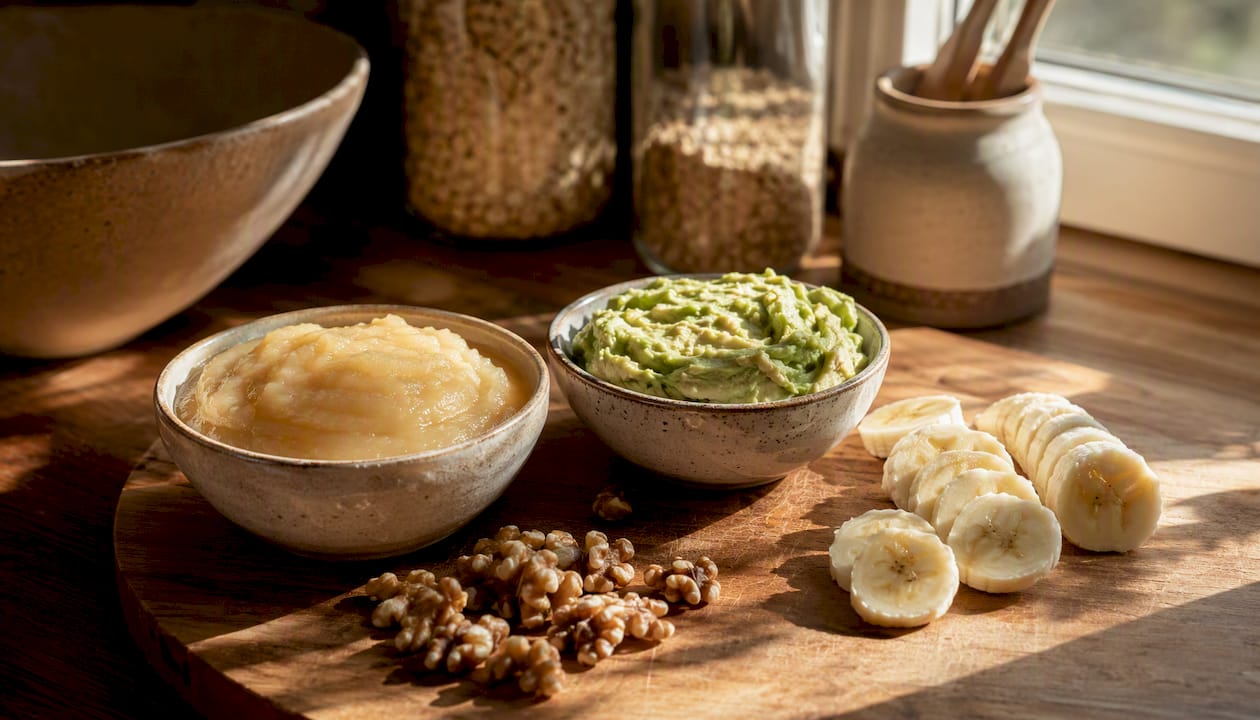
Unsweetened applesauce replaces oil or butter at a 1:1 ratio and cuts fat significantly while keeping moisture. Mashed avocado works similarly and adds heart-healthy monounsaturated fat. If you prefer to keep nuts in the recipe, a quarter cup of chopped walnuts adds beneficial fats and protein without overloading calories.
| Swap | What you replace | Benefit |
|---|---|---|
| Greek yogurt | Half the butter/oil | Adds protein, cuts saturated fat |
| Whole-wheat flour | All-purpose flour | Adds fiber, slows digestion |
| Ripe banana + 2 tbsp maple syrup | 1 cup sugar | Cuts added sugar dramatically |
| Applesauce | Oil or butter (1:1) | Reduces fat, maintains moisture |
| Protein powder (1 scoop) | 2 tbsp flour | Adds 20–25g protein per loaf |
| Ground flaxseed (2 tbsp) | Part of flour | Adds fiber and omega-3s |
Pro Tip: When cutting sugar or swapping to whole-wheat flour, add an extra tablespoon of Greek yogurt or applesauce to the batter. Both help retain moisture that sugar and refined flour normally provide.
Healthier banana bread recipes you can make this week
These templates are starting points, not rigid formulas. Adjust sweetness and add-ins to your taste.
Higher-protein loaf
Goal: 12–17g protein per slice, moderate carbs
Ingredients:
- 3 very ripe bananas, mashed
- 1 cup whole-wheat flour
- 1 scoop vanilla whey or plant protein powder
- ½ cup plain Greek yogurt
- 2 eggs
- 2 tbsp maple syrup
- 1 tsp baking soda, 1 tsp cinnamon, pinch of salt
Method: Mash bananas, whisk in eggs, yogurt, and maple syrup. Fold in dry ingredients until just combined. Bake in a standard 9x5 loaf pan at 350°F for 50–55 minutes.
Expected macros per slice (8 slices): roughly 160–190 calories, 12–17g protein, 22–26g carbs, 3–4g fiber.
Low-sugar whole-wheat loaf
Goal: Minimal added sugar, higher fiber
Ingredients:
- 3 very ripe bananas (the sweetness comes from here)
- 1½ cups whole-wheat flour
- ½ cup rolled oats
- 2 eggs
- ¼ cup unsweetened applesauce
- 1 tbsp honey
- 1 tsp baking soda, 1 tsp vanilla extract
Method: Combine wet and dry ingredients separately, then fold together. Bake at 350°F for 55–60 minutes. The oats add a slightly denser crumb; a toothpick test at 55 minutes is your guide.
Expected macros per slice: roughly 140–160 calories, 4–5g protein, 28–32g carbs, 4–5g fiber, under 5g added sugar.
Gluten-free almond flour loaf
Goal: Lower carbs, grain-free
Ingredients:
- 2 ripe bananas, mashed
- 2 cups almond flour
- 3 eggs
- 2 tbsp coconut oil, melted
- 1 tbsp maple syrup
- 1 tsp baking soda, 1 tsp cinnamon
Method: Mix wet ingredients, stir in almond flour and baking soda. Pour into a parchment-lined 8x4 pan. Bake at 325°F for 45–50 minutes. Almond flour browns faster, so check at 40 minutes.
Expected macros per slice: roughly 200–220 calories, 7–8g protein, 14–16g carbs, 3g fiber.
Vegan option
For any of the above, replace eggs with 2 flax eggs (2 tbsp ground flaxseed + 6 tbsp water, rested 5 minutes). Replace Greek yogurt with unsweetened coconut yogurt. Use maple syrup instead of honey. Texture will be slightly denser but still sliceable.
Variation notes:
- Add ¼ cup dark chocolate chips to any recipe for a treat version that still beats a traditional loaf on sugar and protein.
- Stir in 2 tbsp chia seeds for an extra fiber boost without changing flavor.
- A handful of chopped walnuts adds crunch and healthy fats to any template.
Who should limit or avoid banana bread?
Most people can enjoy a well-made, lower-sugar slice without concern. A few groups need to be more thoughtful.
- People with type 2 diabetes or insulin resistance: Even a healthier banana bread contains carbohydrates that affect blood glucose. Portion size matters more here than for the general population. A small slice paired with protein (like a hard-boiled egg or nut butter) slows glucose absorption. Traditional high-sugar versions should be reserved for occasional treats, not regular meals.
- People actively working to lose weight: Banana bread is calorie-dense relative to its volume. A 250-calorie traditional slice is easy to eat in two minutes and won’t keep you full. If weight loss is the goal, a protein-forward version in a controlled portion is a much better fit than a standard recipe.
- Young children: The AHA advises against nonnutritive sweeteners (monk fruit, erythritol, stevia) for children under 2, and recommends limiting them for older children. Stick to naturally sweetened recipes using ripe bananas and small amounts of honey or maple syrup for kids.
- People with nut allergies: Almond flour and walnut add-ins are common in healthier recipes. Always check the recipe before serving to guests or children.
Pro Tip: For anyone managing blood sugar, pair one small slice (roughly 60–70g) with 15–20g of protein at the same meal. That combination, supported by whole-grain and protein research, meaningfully reduces the glycemic impact of the carbohydrates.
How to fit banana bread into a balanced meal plan
Banana bread works best as part of a meal, not as a standalone food. The way you pair it changes its nutritional impact significantly.
- As breakfast: One slice of a higher-protein version with a cup of plain Greek yogurt and a handful of berries gives you a complete morning meal with protein, fiber, and natural carbs. For more high-protein breakfast ideas that pair well with a slice, the principle is the same: anchor the meal with protein.
- As a snack: A small slice with a tablespoon of almond or peanut butter covers the protein and fat gap and keeps hunger at bay for two to three hours.
- As dessert: A thin slice after a balanced dinner is a perfectly reasonable treat. At that point, the rest of the meal has already provided protein and fiber, so the carb load from the bread is less of a concern.
Portion guidance by goal:
- Maintenance: One standard slice (roughly 80–100g) two to three times per week, as part of a balanced meal.
- Weight loss: Half a slice or one small slice of a protein-forward recipe, paired with protein and fat to increase satiety.
- Muscle building: A full slice of a high-protein version (12–17g protein) works well as a post-workout carb-and-protein combination.
A simple sample morning: one slice of higher-protein banana bread, two scrambled eggs, and a cup of coffee. That’s a breakfast with roughly 25–30g of protein, real fiber, and enough calories to carry you through a busy morning.
Storing, freezing, and reheating banana bread
Banana bread stays fresh longer than most quick breads because the banana keeps it moist. Here’s how to store it well:
- Room temperature: Wrap tightly in plastic wrap or store in an airtight container. Good for up to 2 days. Beyond that, the moisture from the banana starts to encourage mold.
- Refrigerator: Wrapped well, banana bread keeps for up to 5 days in the fridge. Higher-protein versions made with Greek yogurt or eggs should always be refrigerated after the first day.
- Freezer: Slice the loaf before freezing. Wrap individual slices in plastic wrap, then place in a zip-lock freezer bag. Keeps well for 2–3 months. Thaw overnight in the fridge or at room temperature for an hour.
Reheating tips:
- Microwave a slice for 20–30 seconds with a damp paper towel draped over it. The steam restores moisture without drying out the crumb.
- For a slightly crisp exterior, toast it lightly and add a thin spread of nut butter.
Pro Tip: If you’re using a baking mix that contains protein powder or dairy (like Greek yogurt), treat the finished loaf like a dairy product: refrigerate within 2 hours of baking and consume within 4–5 days.
What the research says about baked goods and whole-grain choices
The science here is consistent, even if most of it comes from observational studies rather than controlled trials.
- Ultra-processed baked goods and cardiometabolic risk: Cohort studies consistently link frequent consumption of ultra-processed foods, including high-sugar baked goods, with higher rates of obesity, heart disease, and type 2 diabetes. The mechanism isn’t fully settled, but high added sugar, low fiber, and low protein are the common threads. A separate review reinforces the “treat vs. everyday food” framing for items like traditional banana bread.
- Whole grains and satiety: Evidence supports that whole grains and dietary protein improve satiety and glycemic control compared with refined-carbohydrate-dominant meals. This is the scientific basis for every flour and protein swap in this guide.
- Bananas themselves: A medium banana provides roughly 422mg of potassium (about 9% of the daily value) and meaningful amounts of vitamin B6, according to USDA FoodData Central. Those nutrients carry over into the bread, which is one genuine nutritional argument in banana bread’s favor.
The protein and fiber additions that make banana bread healthier aren’t just about macros. Controlled research shows that protein and fiber additions to baked goods slow digestion and increase post-meal fullness compared with refined-carb controls.
A note on the evidence: Most of the research linking baked goods to health outcomes is observational, meaning it shows associations rather than direct causation. That’s worth keeping in mind. The practical takeaway is still clear: a loaf made with whole grains, less added sugar, and a real protein source is a better everyday choice than one built on refined flour and a cup of white sugar.
Our take on what “healthy banana bread” actually means
There’s a tendency in wellness spaces to treat “healthy baking” as an all-or-nothing proposition. Either a food is clean and virtuous, or it’s off-limits. We think that framing misses the point entirely.
Banana bread made with whole-wheat flour, ripe bananas, Greek yogurt, and a modest amount of maple syrup isn’t a compromise. It’s genuinely good food that happens to taste like a treat. The problem was never banana bread itself; it was the version that got normalized: a cup of sugar, white flour, and a stick of butter, baked into something that functions more like cake.
What we’ve seen, both in the research and in our own approach to baking, is that the ingredient choices matter far more than the food category. A slice of high-protein banana bread with 15 grams of protein and 4 grams of fiber is a better breakfast than most granola bars, many protein bars, and certainly better than a bowl of sweetened cereal. The category “banana bread” doesn’t determine the nutrition. The recipe does.
That’s why we built Bell’s Protein Pantry around the idea that you shouldn’t have to choose between something that tastes good and something that supports your goals. The banana bread protein content question has a real answer, and it’s a good one when the recipe is built right.
Bell’s Protein Pantry banana bread mix: protein-forward, lower sugar
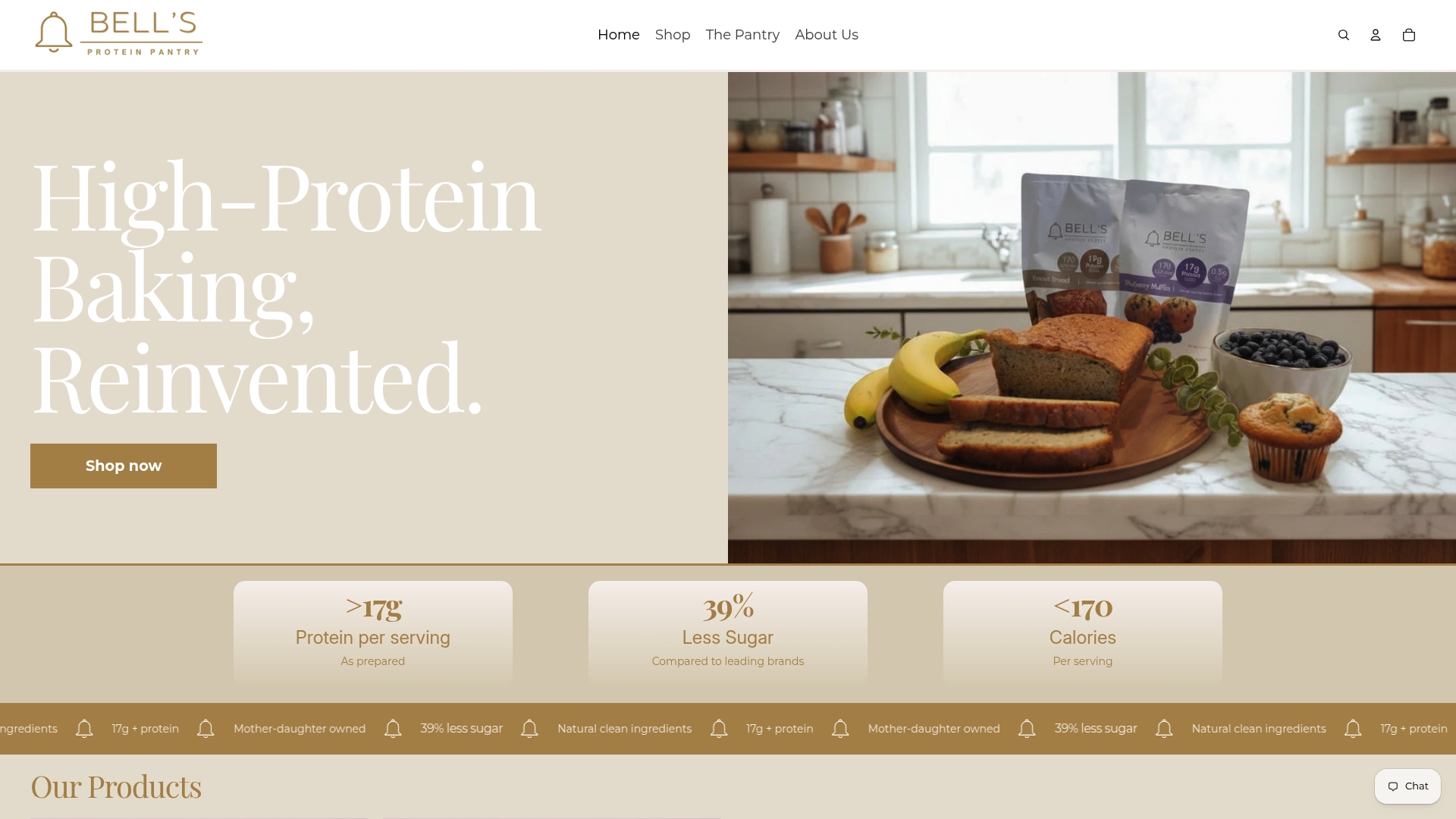
We built this mix for exactly the reader this article is written for: someone who wants banana bread to work as a real breakfast or post-workout snack, not just an occasional treat. All-natural ingredients, a macro profile that supports your goals, and a loaf that actually tastes like banana bread. No artificial sweeteners, no complicated substitutions.
Browse our protein baking mixes to see the full range, including the banana bread mix and our blueberry muffin option. Add one to your cart and have a high-protein loaf ready by tomorrow morning.
Sources
- Banana Bread | American Heart Association Recipes
- Is Banana Bread Healthy? Low Carb Tips and More — Healthline
- NCBI PMC article PMC7400821
- NCBI PMC article PMC6538975
- NCBI PMC article PMC4960974
This article is general information, not a substitute for advice from a qualified doctor. Consult a qualified healthcare professional about your own circumstances before acting on anything here.