
Best Protein Snacks During Pregnancy (Safe + Practical)

Greek yogurt, cottage cheese, hard-boiled eggs, edamame, nuts and nut butter, hummus with veggies, protein smoothies, and high-protein baking mixes like Bell’s Protein Pantry are the pregnancy-safe, high-protein snacks worth keeping stocked. Most registered dietitians and clinical guidelines suggest aiming for an appropriate daily protein intake during pregnancy based on body weight and trimester, with two to three well-chosen snacks contributing a meaningful portion of that total without any extra effort at mealtimes.
For portability, make-ahead ease, and first-trimester low-odor tolerance, three snacks stand out:
- Chilled hard-boiled eggs (about 6 g protein each, nearly odorless when cold, prep a batch Sunday and grab all week)
- Greek yogurt cups (14–20 g protein per serving, no cooking, easy to portion into jars)
- High-protein muffin bites baked from a mix like Bell’s Protein Pantry Blueberry Muffins (17–19 g protein per serving, freezer-friendly, mild flavor)
This article covers general nutrition information and is not a substitute for personalized medical advice. Always confirm dietary plans with your OB-GYN, midwife, or a registered dietitian.
Table of Contents
- 1. Greek yogurt delivers 14–20 g protein and supports bone health
- 2. Cottage cheese gives you 12–14 g protein per serving
- 3. Hard-boiled eggs offer 6 g protein each and key choline
- 4. Edamame brings 11–17 g protein per cup plus folate
- 5. Nuts and nut butter add 4–8 g protein per serving with healthy fats
- 6. Hummus with veggies combines protein, fiber, and iron
- 7. String cheese and pasteurized dairy snacks are quick and portable
- 8. Roasted chickpeas give you a crunchy, shelf-stable option
- 9. Protein smoothies can deliver 15–25 g protein in one glass
- 10. Protein bars are convenient but require a label check
- 11. Bell’s Protein Pantry mixes turn baking into a high-protein snack strategy
- How much protein do you actually need during pregnancy?
- What food-safety rules matter most for high-protein pregnancy snacks?
- When should you snack and how much protein per snack?
- Make-ahead snack ideas you can prep in under 30 minutes
- Three sample snack plans that show the protein math
- Key Takeaways
- Why we care about protein snacks during pregnancy
- Bell’s Protein Pantry makes high-protein pregnancy snacking easier
- Useful sources for further reading
1. Greek yogurt delivers 14–20 g protein and supports bone health
Greek yogurt is one of the most efficient protein snacks during pregnancy. A single serving packs 14–20 g protein alongside calcium and probiotics. Choose plain, pasteurized varieties and add fruit or a drizzle of honey to control added sugar. It travels well in a small cooler bag and keeps for up to a week in the fridge.

Pregnancy bonus: Calcium supports fetal bone development, and the NIH Office of Dietary Supplements notes that pregnant people need 1,000 mg calcium daily, making dairy snacks a practical way to close that gap.
2. Cottage cheese gives you 12–14 g protein per serving
Cottage cheese is mild, cold, and easy to eat even when nausea is high. At roughly 12–14 g protein per 4 oz serving, it fits neatly into a morning or bedtime snack. Johns Hopkins Medicine recommends a bedtime protein-plus-fat snack to reduce overnight glucose swings, and cottage cheese with berries checks both boxes.
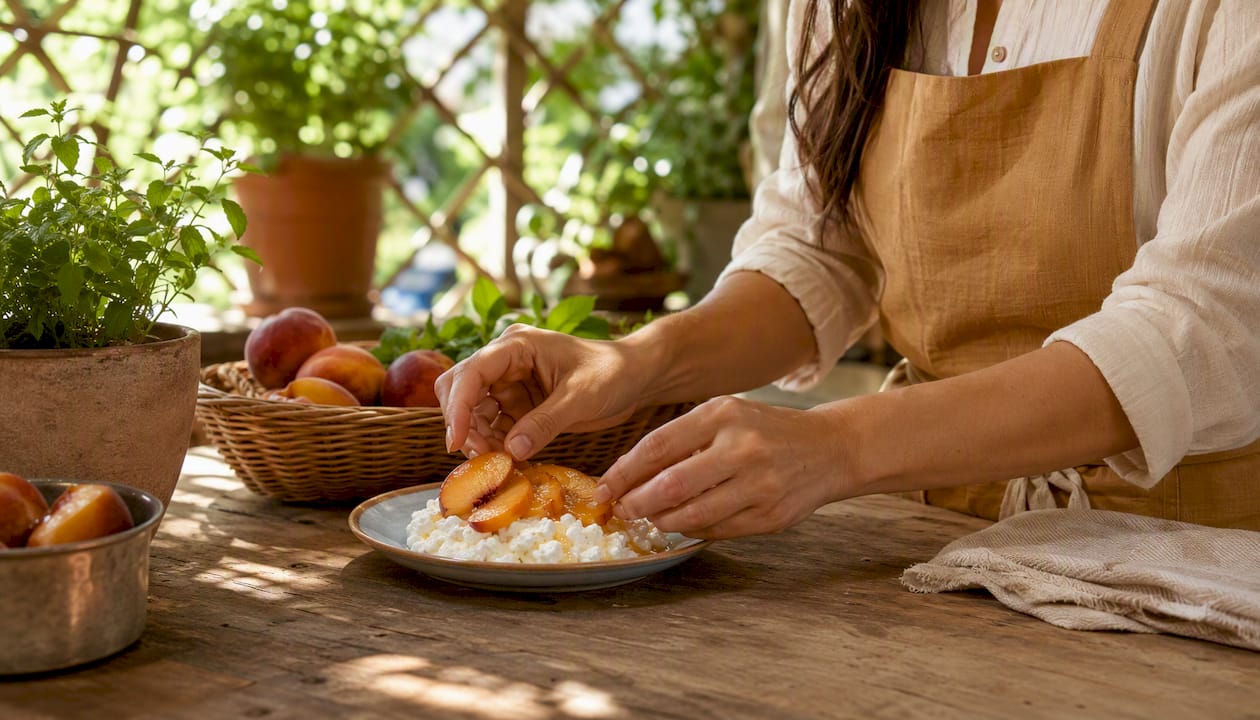
Pair it with sliced fruit for fiber or with a whole-grain cracker for complex carbs. Always buy pasteurized; skip any soft cheese made from raw milk.
3. Hard-boiled eggs offer 6 g protein each and key choline
One hard-boiled egg provides about 6 g protein, and two eggs bring you to 12 g. More importantly, eggs are one of the best dietary sources of choline, a nutrient critical for fetal brain development that many prenatal vitamins still under-deliver. Cook eggs fully until both white and yolk are firm. Batch-cook six at a time, refrigerate up to one week, and keep them chilled for first-trimester smell sensitivity.
4. Edamame brings 11–17 g protein per cup plus folate
Edamame is a plant-based protein powerhouse. One cup of shelled edamame delivers 11–17 g protein along with folate, which womenshealth.gov identifies as critical for preventing neural tube defects. Buy frozen, steam or microwave in minutes, and season lightly with sea salt. It’s portable in a small container and works warm or cold.
5. Nuts and nut butter add 4–8 g protein per serving with healthy fats
A small handful of almonds or two tablespoons of almond or peanut butter delivers 4–8 g protein alongside magnesium and healthy monounsaturated fats. Registered dietitians recommend pairing protein with healthy fat to extend satiety and stabilize blood sugar, and nut butter on whole-grain toast does exactly that. Watch portion size: nuts are calorie-dense, so a small handful or two tablespoons is the target.
Pro Tip: Freeze individual nut butter packets (the single-serve squeeze packs) so you always have a grab-and-go option that doesn’t require refrigeration.
6. Hummus with veggies combines protein, fiber, and iron
Two tablespoons of hummus provide roughly 2–3 g protein, but pair it with a cup of edamame or a hard-boiled egg on the side and you have a snack plate that hits 10–15 g protein with fiber from the vegetables. Hummus made from chickpeas also contains iron, which supports the increased blood volume of pregnancy. Choose store-bought hummus made from pasteurized ingredients, or make a batch at home and refrigerate for up to five days.
7. String cheese and pasteurized dairy snacks are quick and portable
One stick of string cheese provides about 6–8 g protein with calcium and very little prep. It’s one of the most portable high-protein snack ideas for pregnant women, fitting easily into a purse or work bag. Stick to pasteurized mozzarella sticks; avoid any cheese labeled “raw milk.” Pair two sticks with a piece of fruit for a balanced 12–16 g protein snack.
8. Roasted chickpeas give you a crunchy, shelf-stable option
Roasted chickpeas deliver roughly 6–8 g protein per half-cup serving and stay shelf-stable for days in an airtight container. They’re a satisfying alternative to chips when you want something crunchy. Season with olive oil and sea salt, or try smoked paprika. Roast a large batch on Sunday at 400°F for 25–30 minutes, let cool completely before storing, and portion into snack bags for the week.
9. Protein smoothies can deliver 15–25 g protein in one glass
A smoothie built on Greek yogurt or pasteurized milk with frozen fruit and a tablespoon of nut butter can hit 15–25 g protein without any added protein powder. If you do use protein powder, choose one specifically formulated for pregnancy or cleared by your provider, and check for artificial sweeteners. Smoothies are easy to sip when solid food feels unappealing in the first trimester.
Pro Tip: Prep smoothie packs by portioning frozen fruit, spinach, and nut butter into zip-lock bags. Store in the freezer and blend with yogurt or milk in under two minutes.
10. Protein bars are convenient but require a label check
Protein bars can provide 8–20 g protein and are genuinely useful for busy days. The catch: added sugar varies widely across brands. Look for bars with fewer than 5 g added sugar, at least 8–10 g protein, and a short ingredient list. Avoid bars with high amounts of sugar alcohols, which can cause digestive discomfort. Use them as a backup, not a daily staple, and alternate with whole-food options.
11. Bell’s Protein Pantry mixes turn baking into a high-protein snack strategy
Bell’s Protein Pantry baking mixes deliver 17–19 g protein per serving with reduced sugar compared to leading brands. Bake a batch of Blueberry Muffins or Banana Bread, portion into individual servings, and freeze. Pull one out the night before and it’s ready by morning. These high-protein muffins are mild in flavor, easy to eat even with a sensitive stomach, and pair well with a smear of nut butter for an extra 4–6 g protein.
How much protein do you actually need during pregnancy?
Most clinical guidance and prenatal nutrition resources recommend adequate daily protein intake during pregnancy, with needs rising in the second and third trimesters as fetal growth accelerates. Your provider can offer personalized recommendations based on your body weight and activity level.
Snacks are where the math gets easy. Here’s how a typical day adds up:
- Breakfast (eggs + Bell's Protein Pantry Muffin): ~26 g protein
- Mid-morning snack (cottage cheese + fruit): ~13 g protein
- Lunch (chicken or legume-based meal): ~20 g protein
- Afternoon snack (edamame or nut butter on toast): ~10–12 g protein
- Dinner (fish, poultry, or beans): ~20–25 g protein
- Bedtime snack (Greek yogurt or cottage cheese): ~12–14 g protein
That structure reaches 100 g protein on a moderate-appetite day without forcing large portions at any single meal. Snacks contribute a substantial portion of the total daily protein intake, which is why choosing nutrient-rich snacks matters. Pregnancy increases calorie needs in later trimesters, and protein-rich snacks are one of the most efficient ways to meet both calorie and nutrient goals simultaneously.
What food-safety rules matter most for high-protein pregnancy snacks?
The FDA and CDC are clear: foodborne illness during pregnancy can be serious, and certain high-protein foods carry higher risk. Here’s what to avoid and what to use instead:
- Unpasteurized dairy: Skip raw milk, soft cheeses made from raw milk (brie, camembert, queso fresco unless labeled pasteurized). Use pasteurized Greek yogurt, cottage cheese, and hard cheeses.
- Raw or undercooked eggs: Avoid runny yolks and raw egg preparations. Cook eggs until both white and yolk are fully firm.
- Unheated deli meats: Listeria can survive refrigeration. If you want deli turkey or ham, heat it until steaming (165°F) before eating.
- Raw fish and high-mercury seafood: Skip sushi made with raw fish and limit high-mercury species (swordfish, king mackerel, tilefish). Canned light tuna and salmon are lower-mercury options.
- Raw sprouts: Alfalfa, clover, and bean sprouts can harbor bacteria. Cook them or skip them.
Pro Tip: When prepping make-ahead snacks, label containers with the date. Hard-boiled eggs keep up to one week refrigerated; Greek yogurt parfait jars keep three to four days; roasted chickpeas stay crisp for three to four days in an airtight container at room temperature.
When should you snack and how much protein per snack?
Eating regularly throughout the day helps stabilize blood sugar, reduce nausea, and prevent energy crashes that commonly occur in the first and third trimesters. You don’t need a rigid schedule, but a loose framework helps.
Timing guidance:
- Morning: Eat within 30–60 minutes of waking, especially if nausea is present. A small, protein-rich snack before getting out of bed (like a few crackers with nut butter kept on the nightstand) can take the edge off.
- Mid-morning and mid-afternoon: Aim for a snack with 8–20 g protein paired with fiber or fat to carry you to the next meal.
- Bedtime: A protein-plus-fat snack before sleep helps prevent overnight glucose drops and the fatigue that follows. Johns Hopkins Medicine specifically recommends this strategy; cottage cheese with fruit or nut butter on whole-grain toast are solid choices. More guidance on protein snacks before bed can help you build that habit.
Portion targets per snack:
- Light snack (nausea, early pregnancy): 8–10 g protein
- Standard snack (moderate appetite): 12–15 g protein
- Higher-need snack (third trimester, active): 15–20 g protein
If you have gestational diabetes, snack timing and carbohydrate pairing become more specific. Work with your care team for a personalized plan rather than relying on general guidance.
Make-ahead snack ideas you can prep in under 30 minutes
Batch prep once or twice a week and you’ll have grab-and-go options ready every day. These ideas are practical, portable, and designed for busy schedules.
| Snack | Prep Time | Storage | Protein per Serving |
|---|---|---|---|
| Hard-boiled egg packs (4 eggs) | 12 min | Fridge, up to 7 days | ~24 g (4 eggs) |
| Greek yogurt parfait jars | 5 min | Fridge, 3–4 days | ~15–20 g |
| Cottage cheese + fruit cups | 5 min | Fridge, 3–4 days | ~12–14 g |
| Roasted chickpeas | 30 min | Room temp, airtight, 3–4 days | ~6–8 g per ½ cup |
| Edamame packets (frozen, steamed) | 5 min | Fridge, 3–4 days | ~11–17 g per cup |
| Protein muffin bites (Bell’s mix) | 25 min | Fridge 5 days / Freezer 3 months | ~17–19 g per serving |
| Smoothie packs (frozen) | 10 min to prep | Freezer, up to 3 months | ~15–20 g when blended |
First-trimester swap: If strong smells are a problem, skip warm eggs and opt for chilled cottage cheese cups or cold Greek yogurt jars. Both are nearly odorless and easy on a sensitive stomach.
Third-trimester upgrade: Add a tablespoon of almond butter to muffin bites or yogurt jars for an extra 3–4 g protein and more staying power between meals.
Three sample snack plans that show the protein math
These plans show how snacks alone can contribute 30–50 g toward your daily protein goal. Mix and match based on your appetite and trimester.
Plan A: Morning sickness-friendly (lower appetite, first trimester)
| Snack | Protein |
|---|---|
| Chilled Greek yogurt cup (plain, 6 oz) | 17 g |
| Nut butter squeeze pack + 2 rice cakes | 8 g |
| Cottage cheese + sliced peaches (½ cup) | 12 g |
Best for: Early pregnancy with nausea; all options are mild, cold or room-temp, and easy to portion small.
Plan B: Moderate appetite (second trimester)
| Snack | Protein |
|---|---|
| Hard-boiled eggs x2 + string cheese x1 | 19 g |
| Edamame (1 cup shelled) | 14 g |
| Bell’s Protein Pantry muffin bite + nut butter | ~21 g |
Best for: Active second trimester when appetite returns and protein needs climb.
Plan C: High-protein target (third trimester or very active)
| Snack | Protein |
|---|---|
| Greek yogurt parfait jar (8 oz yogurt + granola) | 20 g |
| Roasted chickpeas (½ cup) + hummus (¼ cup) | ~10 g |
| Protein smoothie (Greek yogurt + milk + nut butter) | ~20 g |
| Bedtime: cottage cheese + berries | 13 g |
| Snack total | 65 g |
Best for: Third trimester when calorie and protein needs are highest; snacks help meet the additional ~450 kcal needed daily without overloading any single meal.
Swap rule: Any snack delivering 10–20 g protein can replace another in the same plan. Keep the protein math close and you’ll stay on track.
Key Takeaways
Pregnancy-safe, high-protein snacks built around pasteurized dairy, fully cooked eggs, legumes, and quality baking mixes can reliably contribute 30–65 g of protein daily toward your 60–100 g target.
| Point | Details |
|---|---|
| Daily protein target | Aim for 60–100 g protein daily; two to three snacks can contribute 30–65 g of that total. |
| Safety first | Use only pasteurized dairy and fully cooked eggs; heat deli meats to 165°F before eating. |
| Best snack combinations | Pair protein with fiber or healthy fat to stabilize blood sugar and extend satiety. |
| Make-ahead strategy | Batch-cook eggs, muffins, and yogurt jars once or twice a week for grab-and-go convenience. |
| Bell’s Protein Pantry | Baking mixes deliver 17–19 g protein per serving with reduced sugar, making them a practical make-ahead snack base. |
Why we care about protein snacks during pregnancy
We started Bell’s Protein Pantry because we believe that eating well shouldn’t require hours in the kitchen or a nutrition degree. Pregnancy is one of the most important times to get protein right, and we hear from so many people who struggle to hit their daily targets simply because convenient, high-quality options are hard to find. Our baking mixes were built with exactly that in mind: 17–19 g protein per serving, all-natural ingredients, and 39% less sugar than leading brands. A batch of our Blueberry Muffins or Banana Bread takes about 25 minutes to make, freezes beautifully, and gives you a week’s worth of snacks you can actually feel good about. We’d love for you to try them as part of your pregnancy snack routine.
Bell’s Protein Pantry makes high-protein pregnancy snacking easier
Getting 17–19 g protein from a snack that tastes like a bakery treat is genuinely rare. Bell’s Protein Pantry baking mixes are made with all-natural ingredients, carry 39% less sugar than leading brands, and bake up in about 25 minutes. Portion the muffins into individual servings, freeze them, and you have a month’s worth of grab-and-go snacks ready to go. Add a smear of nut butter and you’re looking at 21–27 g protein per snack, no label-checking required. 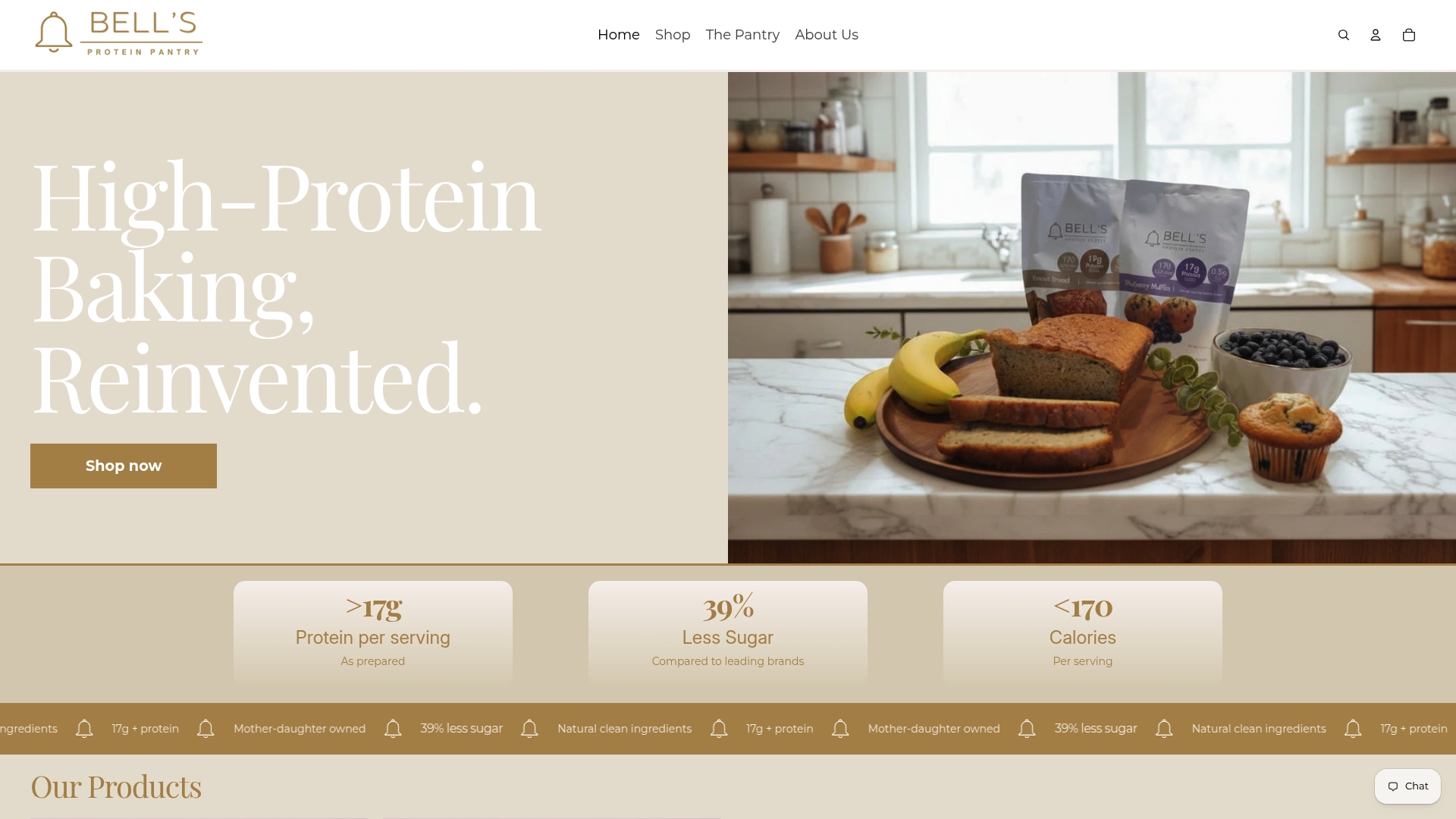
They work especially well for second- and third-trimester snacking when appetite is back and protein needs are highest. The Banana Bread mix is great sliced and toasted; the Blueberry Muffins are perfect straight from the freezer after a quick thaw. Both are mild enough for most palates and easy to eat on the way out the door.
Browse the full range of protein baking mixes and find the option that fits your routine.
Useful sources for further reading
These are the sources we relied on most for the guidance in this article. Each one is worth bookmarking.
- MedlinePlus: Eating right during pregnancy — A National Library of Medicine resource covering nutrient needs and food safety during pregnancy; reliable for general guidance.
- NIH Office of Dietary Supplements: Choline — The authoritative fact sheet on choline, a nutrient critical for fetal brain development that eggs supply in meaningful amounts.
- NIH Office of Dietary Supplements: Calcium — Covers daily calcium needs during pregnancy and the role of dairy snacks in meeting them.
- womenshealth.gov: Folic acid — US government guidance on folate needs during pregnancy; relevant to edamame and legume-based snacks.
- Johns Hopkins Medicine: 5 snack foods to eat while pregnant — Clinical perspective on bedtime snacking and blood sugar management during pregnancy.
- BabyCenter: 10 healthy snacks for pregnancy — Practical snack list with protein-per-serving estimates for common pregnancy-safe options.
- Bell’s Protein Pantry — Product details on high-protein baking mixes with 17–19 g protein per serving and reduced sugar.
Recommended
- Portable Protein Snacks for Busy, Health-Conscious People – Bell’s Protein Pantry
- High Protein Weight Loss Snacks That Actually Work – Bell’s Protein Pantry
- Best High Protein Snacks for Fitness and Real Results – Bell’s Protein Pantry
- Best Protein Snacks Before Bed: What to Eat Tonight – Bell’s Protein Pantry