
The Best Protein Snacks for Work: Portable, High-Protein Picks

The best protein snacks for work are ones you can grab, pack, and eat without a microwave or a mess. Think beef jerky (9–12 g per oz), Greek yogurt (12–18 g per cup), hard-boiled eggs (6 g per egg), canned tuna pouches (15–22 g per 3 oz serving), roasted chickpeas (6–8 g per ¼ cup), edamame (8–9 g per ½ cup), and protein shakes (20–30 g per serving). A practical target for a satisfying work snack is 15–20 g of protein, though anywhere in the 10–30 g range fits well within the healthy dietary patterns framed by Dietary Guidelines advisory materials.
Here is a quick-reference list to get you started:
- Beef jerky: 9–12 g per oz, shelf-stable, zero prep
- Greek yogurt: 12–18 g per cup, fridge-required, grab a single-serve cup
- Hard-boiled eggs: 6 g per egg, prep Sunday, eat all week
- Canned or pouch tuna: 15–22 g per 3 oz serving, no refrigeration needed before opening
- Roasted chickpeas: 6–8 g per ¼ cup, crunchy and shelf-stable
- Edamame (shelled, ready-to-eat): 8–9 g per ½ cup, plant-based and portable
- Protein shake (ready-to-drink or single-serve mix): 20–30 g per serving, the fastest route to a high-protein snack
- Nut butter + apple or banana: 7–10 g per serving, pairs fat and fiber for staying power
Key Takeaways
Hitting 15–20 g of protein per work snack is straightforward when you pair a protein-rich base with one supporting item and prep at least some options in advance.
| Point | Details |
|---|---|
| Target protein per snack | Aim for 15–20 g per snack; 10–30 g fits healthy dietary patterns per Dietary Guidelines guidance. |
| Use the component method | Combine a protein base (10–18 g) with one add-on to reliably reach 20–25 g without complex prep. |
| Keep one shelf-stable option | Jerky, tuna pouches, or roasted chickpeas require no fridge and cover you when refrigeration is unavailable. |
| Follow basic food safety | Do not leave dairy or eggs at room temperature for more than two hours; refrigerate perishables on arrival. |
| Bell’s Protein Pantry mixes | Each serving delivers 17–19 g of protein with less sugar, making them a reliable make-ahead work snack. |
Table of Contents
- Why a high-protein snack keeps you sharper at work
- The best protein snacks for work, organized by prep level
- 1. Beef jerky or meat sticks
- 2. Canned or pouch tuna
- 3. Roasted chickpeas
- 4. Protein bars
- 5. Almonds or mixed nuts
- 6. Greek yogurt with toppings
- 7. Cottage cheese
- 8. String cheese or cheese cubes
- 9. Edamame (shelled, ready-to-eat)
- 10. Nut butter + fruit
- 11. Hard-boiled eggs
- 12. Turkey roll-ups
- 13. Protein balls or energy bites
- 14. High-protein baked goods (muffins, banana bread)
- How to build a 20–30 g protein snack from components
- Dietary swaps that keep protein high for every eating style
- Packing, storage, and food safety for office snacks
- Why we think make-ahead protein bakes are the smartest work snack strategy
- The conventional protein snack advice gets one thing wrong
- Bell’s Protein Pantry makes the make-ahead part easy
- Sources
Why a high-protein snack keeps you sharper at work
Protein is not just a gym-crowd concern. Choosing a high-protein snack between meals can meaningfully improve how you feel and focus during a long workday. Harvard Health notes that protein-rich snacks increase satiety and can reduce mid-afternoon grazing, which is exactly the pattern that derails energy and concentration after lunch.
The evidence behind that claim is solid. A peer-reviewed clinical review found that higher-protein choices at meals and snacks consistently increase feelings of fullness compared with lower-protein alternatives. For a busy professional, that translates to fewer trips to the vending machine and more stable energy through a 2 PM meeting.
Three quick reasons to prioritize protein at your desk snack:
- Satiety and less grazing: protein slows gastric emptying, so you stay full longer and avoid the blood sugar dip that follows a carb-heavy snack
- Muscle maintenance: even desk workers need adequate daily protein to preserve lean mass, especially if you train before or after work
- Cognitive steadiness: pairing protein with a small amount of fat or fiber keeps blood glucose more stable, which supports clearer thinking in the afternoon
One note worth keeping in mind: spreading protein across the day tends to work better than loading it all at dinner. Mayo Clinic guidance cautions against extreme single-meal protein loads, so a moderate 15–20 g snack fits naturally into a balanced daily pattern.
The best protein snacks for work, organized by prep level
No-prep, quick-prep, and make-ahead options each have a place in a busy workweek. No-prep picks are your desk-drawer staples. Quick-prep snacks take under five minutes the morning of. Make-ahead options get batched on the weekend so Monday through Friday runs on autopilot.
No-prep snacks (open and eat)
1. Beef jerky or meat sticks
Jerky delivers 9–12 g of protein per oz from USDA FoodData Central data, needs zero refrigeration, and travels in a bag or desk drawer without issue. Look for brands with under 200 mg sodium per serving if you are watching salt. Stick to a 1 oz portion to keep calories in check.

2. Canned or pouch tuna
A single 3 oz tuna pouch provides 15–22 g of protein and needs no can opener or refrigeration before opening. It is one of the most protein-dense shelf-stable options available. The catch: eat it in a private space or a well-ventilated area. Crackers or a small bag of baby carrots round it out nicely.
3. Roasted chickpeas
Crunchy, satisfying, and genuinely shelf-stable. A ¼ cup serving gives you 6–8 g of protein plus a solid hit of fiber. Buy them pre-roasted in single-serve bags or portion them into a small container at home. They hold up well in a bag without getting soggy.
4. Protein bars
A well-chosen bar is the fastest portable protein snack for work. Look for at least 15 g of protein, under 10 g of added sugar, and a short ingredient list. Bars that rely on whole-food protein sources (whey, egg white, nuts) tend to digest better than those built on cheap fillers. Check the FDA’s interactive Nutrition Facts label tool if you want to decode a label quickly.
5. Almonds or mixed nuts
Harvard’s Nutrition Source puts almonds at roughly 6 g of protein per oz, along with healthy fats that support satiety. Nuts alone will not hit a 20 g protein target, but they pair well with a Greek yogurt or jerky to build a complete snack. A 1 oz pre-portioned bag keeps calories honest.
Quick-prep snacks (under 5 minutes)
6. Greek yogurt with toppings
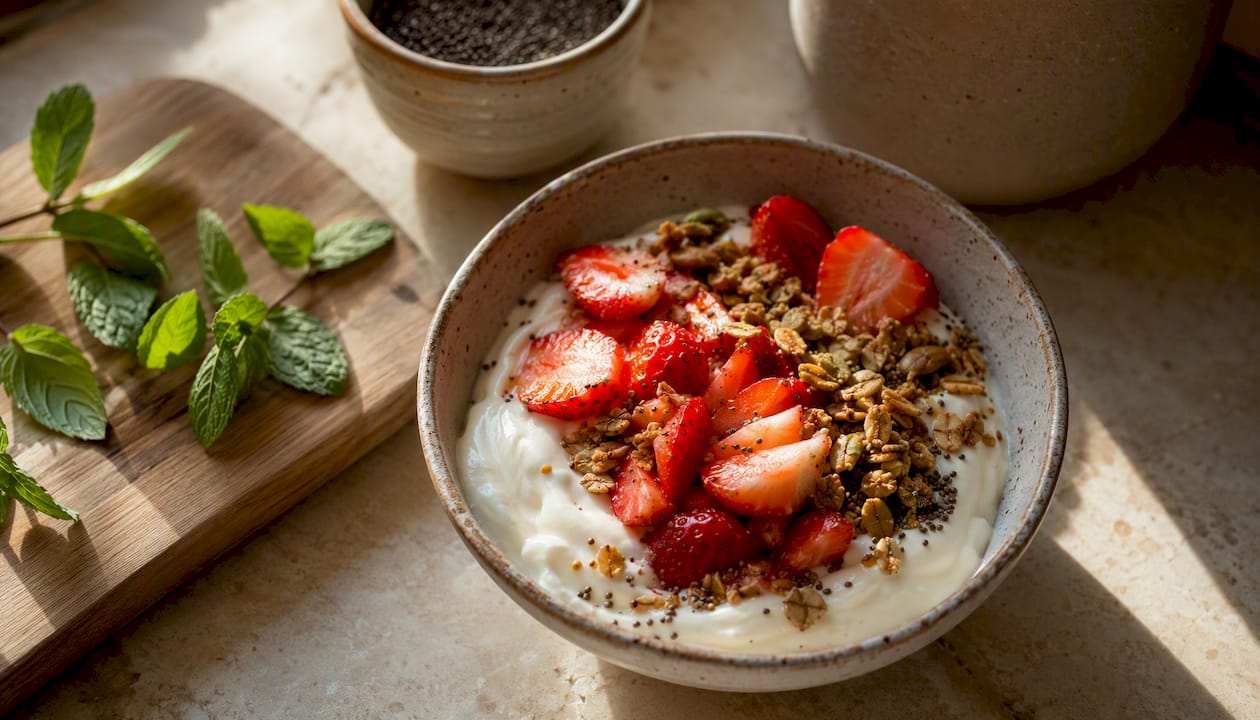
Plain Greek yogurt gives you 12–18 g of protein per cup, depending on the brand. Add a tablespoon of nut butter or a handful of nuts and you can push that snack past 20 g without much effort. Pack it in a small insulated bag with an ice pack if your office fridge is unreliable.
7. Cottage cheese
A ½ cup of cottage cheese typically delivers 12–14 g of protein. It is mild, filling, and pairs with fruit, cucumber slices, or a drizzle of hot sauce. Single-serve cups make it easy to grab on the way out the door.
8. String cheese or cheese cubes
String cheese is underrated as a work snack. Two sticks give you roughly 14 g of protein in a form that needs no utensils and fits in any bag. Pair with a piece of fruit for a balanced snack that covers protein, fat, and carbs.
9. Edamame (shelled, ready-to-eat)
Shelled edamame from the freezer section can be microwaved in two minutes or packed cold in a container. A ½ cup serving provides 8–9 g of plant-based protein. It is one of the few plant foods that qualifies as a complete protein, meaning it contains all nine essential amino acids.
10. Nut butter + fruit
A tablespoon of almond or peanut butter with an apple or banana gives you 7–10 g of protein plus fiber and natural sugars for quick energy. It is not the highest-protein option on this list, but the combination of fat, fiber, and protein makes it genuinely filling.
Pro Tip: Pre-portion nut butter into small reusable containers the night before so you are not digging into a full jar at your desk.
Make-ahead snacks (batch on the weekend)
11. Hard-boiled eggs
Six grams of protein per egg, and you can cook a dozen on Sunday and eat them through Thursday. Keep them in the shell until you are ready to eat for the longest shelf life in the fridge (up to one week). They are low-mess, low-cost, and genuinely portable.
12. Turkey roll-ups
Two to three slices of deli turkey rolled around a strip of cheese or a smear of hummus gives you 15–20 g of protein in a snack that takes three minutes to assemble. Prep a few at once, wrap in parchment, and refrigerate for up to two days.
13. Protein balls or energy bites
Homemade protein balls made with oats, nut butter, protein powder, and a touch of honey batch well and freeze even better. A two-ball serving typically lands around 10–15 g of protein. Pull them from the freezer the night before and they are thawed and ready by mid-morning.
14. High-protein baked goods (muffins, banana bread)
A batch of protein muffins or banana bread sliced into individual portions is one of the most satisfying make-ahead work snacks. They feel like a treat, they are easy to portion, and they freeze well. We will come back to this one.
Pro Tip: Combine a protein base with a fiber source (fruit, oats, veggies) and a small amount of fat (nut butter, cheese) to build snacks that keep you full for two to three hours instead of one.
How to build a 20–30 g protein snack from components
The simplest method: pick one protein-rich base, then add one or two supporting items. Most bases land between 6 and 18 g of protein, so a single add-on often closes the gap to 20 g.
Component templates:
- Protein base (10–18 g) + protein add-on (6–10 g) = 16–28 g total
- Single large-serving base (20–30 g) = done on its own (ready-to-drink shake, large Greek yogurt)
- Two moderate bases (10–14 g each) = 20–28 g combined
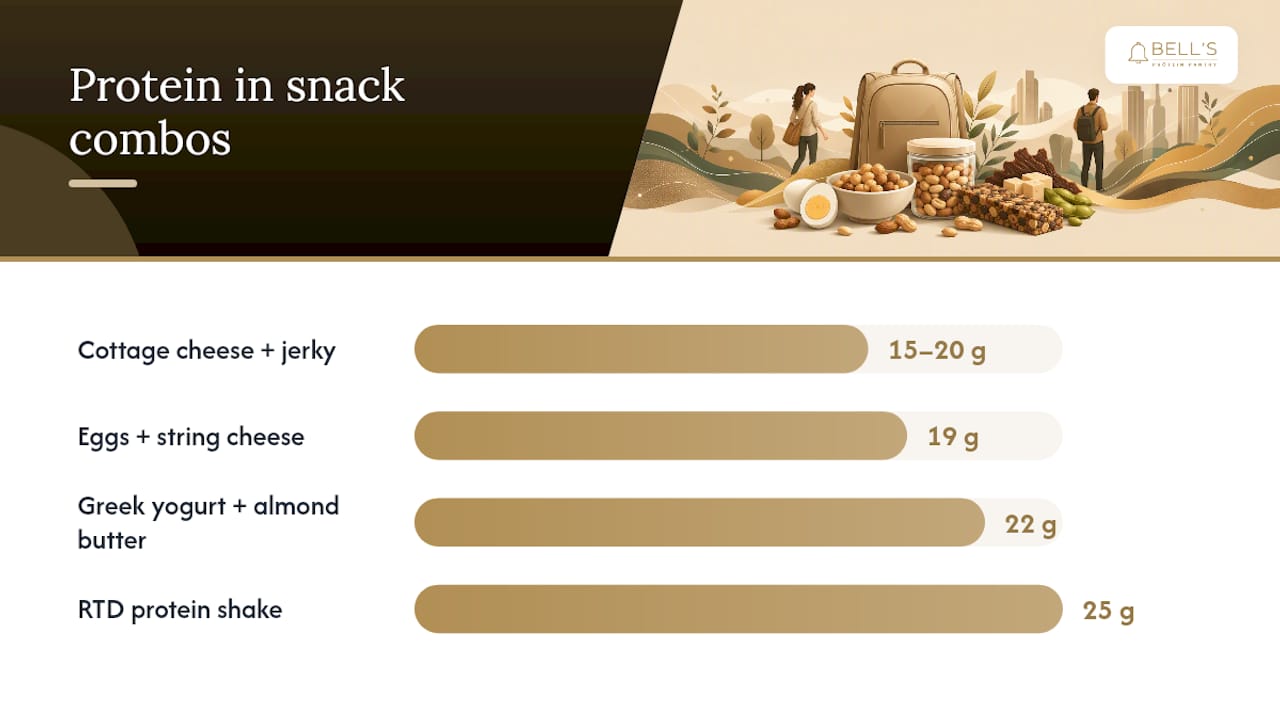
Here are eight ready-to-copy combos with approximate protein totals. Figures are based on USDA FoodData Central values:
| Combo | Approximate Protein |
|---|---|
| 1 cup Greek yogurt (15 g) + 2 Tbsp almond butter (7 g) | 22 g |
| 3 oz tuna pouch (20 g) + 1 oz almonds (6 g) | 20–30 g |
| 2 hard-boiled eggs (12 g) + 1 oz string cheese (7 g) | 19 g |
| ½ cup cottage cheese (13 g) + 1 oz beef jerky (10 g) | 15–20 g |
| 1 protein bar (20 g) + ½ cup edamame (9 g) | 20–30 g |
| 3 turkey slices (15 g) + 1 oz cheese (7 g) | 22 g |
| 1 ready-to-drink protein shake (25 g) | 25 g |
| 1 high-protein muffin (17 g) + 1 oz almonds (6 g) | 15–20 g |
Dietary swaps that keep protein high for every eating style
Readers with dietary restrictions can still reach 15–25 g of protein per snack with the right substitutions. The key is knowing which plant-based and allergy-friendly options are genuinely protein-dense, not just marketed that way.
Vegetarian and vegan swaps:
- Replace jerky or tuna with roasted soy nuts (11 g per oz) or shelled edamame (8–9 g per ½ cup)
- Swap Greek yogurt for a high-protein plant-based yogurt made from soy (look for 10+ g per serving; coconut- or almond-based yogurts are typically much lower in protein)
- Use a pea-protein ready-to-drink shake in place of a whey-based one; most deliver 20–25 g per serving
- Lentil-based snack chips or roasted fava beans add 7–9 g per serving and travel well
Dairy-free swaps:
- Replace cottage cheese or Greek yogurt with firm silken tofu (about 8 g per ½ cup) seasoned with a little soy sauce and sesame oil
- Use soy-based yogurt rather than almond or oat varieties, which are low in protein
Nut-free swaps:
- Replace almond butter with sunflower seed butter (roughly 7 g per 2 Tbsp) or roasted pumpkin seeds (9 g per oz)
- Swap mixed nuts for roasted chickpeas, which give you 6–8 g per ¼ cup with no nut allergen risk
Egg-free swaps:
- Replace hard-boiled eggs with edamame, a small tuna pouch, or a protein bar to keep the protein range similar
One practical note: plant-based protein sources often require a larger serving size to match the protein density of animal sources. If you are relying entirely on plant proteins, plan for slightly bigger portions or combine two sources in one snack.
Packing, storage, and food safety for office snacks
Prioritize shelf-stable picks for your desk drawer and move perishable items to a fridge as soon as you arrive. The basic rule is simple: keep cold foods cold (below 40°F) and do not leave them at room temperature for more than two hours.
Food safety checklist for work snacks:
- Hard-boiled eggs: safe in the fridge for up to one week in the shell; once peeled, eat within two days
- Greek yogurt, cottage cheese, and cheese: refrigerate immediately on arrival; do not leave out for more than two hours
- Turkey roll-ups and deli meat: refrigerate and consume within two days of prep
- Tuna pouches: shelf-stable until opened; once opened, eat immediately or refrigerate and finish within 24 hours
- Protein balls and baked goods: refrigerate for up to four days or freeze for up to three months
Packing tips:
- Use a small insulated lunch bag with a reusable ice pack for any dairy or egg-based snacks if your office fridge is shared or unreliable
- Portion snacks into individual containers before the week starts so you are not measuring at 7 AM
- For shared office spaces, avoid packing pungent options (tuna, certain cheeses) unless you have a private space to eat; opt for jerky, roasted chickpeas, or protein bars in open-plan offices
- Label your items in a shared fridge with your name and the prep date
Pro Tip: Baked protein snacks like muffins or banana bread slices freeze beautifully. Wrap individual portions in parchment, freeze in a zip bag, and pull one out the night before. By morning, it is thawed and ready to pack.
Why we think make-ahead protein bakes are the smartest work snack strategy
We have tried most of the options on this list, and the ones that consistently show up in our bags on a Tuesday morning are the make-ahead bakes. Here is why: they require exactly one decision (make a batch on Sunday) instead of a dozen small decisions across the week.
Make-ahead protein bakes solve the real problem with work snacks: decision fatigue. When a muffin is already portioned, wrapped, and sitting in your freezer, you grab it without thinking. The protein is predictable, the prep is done, and there is no last-minute scramble. That reliability is what makes them a dependable strategy, not just a nice idea.
The practical advantages stack up quickly. Each portion is a fixed size, so you know exactly what you are getting in terms of protein and calories. They pair well with a handful of nuts or a piece of fruit to push toward 20–25 g of protein without any extra assembly. And because they freeze well, one Sunday batch can cover two weeks of snacks.
Bell’s Protein Pantry baking mixes are built around this exact use case. Each serving delivers 17–19 g of protein from all-natural ingredients, with significantly less sugar than conventional baking mixes. The Banana Bread and Blueberry Muffin mixes are designed to be simple to prep and easy to portion for the week ahead. This fits naturally into a meal prep Sunday routine.
The conventional protein snack advice gets one thing wrong
Most protein snack lists hand you a roster of options and call it done. That is useful, but it misses the real friction point for busy professionals: it is not that people do not know jerky and Greek yogurt are high in protein. It is that they do not have a system for making those snacks actually appear in their bag on a Wednesday.
The component method in this article matters more than any single snack recommendation. Once you understand that a protein base plus one add-on reliably gets you to 20 g, the specific foods become interchangeable. Jerky day, tuna day, yogurt day — the formula is the same. That mental model is what separates people who consistently eat well at work from people who end up at the vending machine at 3 PM.
The other thing most lists underweight: portability is not just about size. Smell, mess, and social context matter in an open office. A tuna pouch is excellent protein but a poor choice at a shared desk. Roasted chickpeas, protein bars, and make-ahead baked goods solve that problem in a way that a ranked list of protein grams never will.
Bell’s Protein Pantry makes the make-ahead part easy
Batch-cooking a week of high-protein snacks sounds great until Sunday afternoon arrives and you are staring at a complicated recipe. Bell’s Protein Pantry removes that barrier entirely.
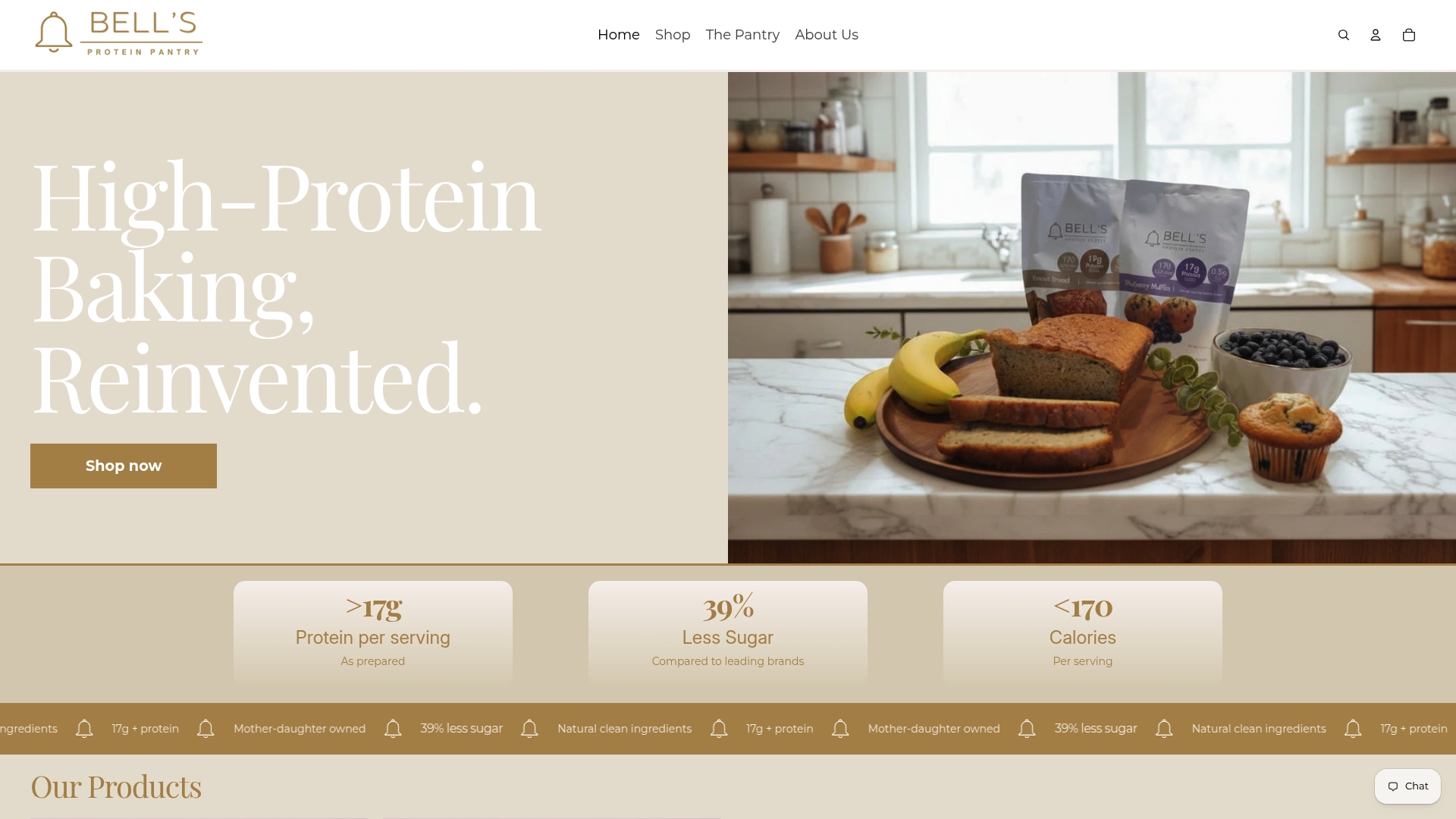
Our high-protein baking mixes are made with all-natural ingredients and deliver 17–19 g of protein per serving, with 39% less sugar than leading conventional brands. Mix, bake, slice, and freeze. That is the whole process. The Banana Bread and Blueberry Muffin mixes are designed for exactly the kind of grab-and-go portability that busy workdays demand.
- Predictable protein: 17–19 g per serving, every time, so your macros are never a guessing game
- Freezer-friendly: bake a batch on Sunday, freeze individual portions, and pull one each morning
If you are ready to make work snacks something you actually look forward to, browse our baking mixes and find the flavor that fits your week.
Sources
Short pointer list of the primary sources used for protein figures and food-safety guidance in this article:
- High-protein snacks to build muscle and keep hunger at bay | Harvard Health
- PMC article (systematic/clinical review) on protein and satiety
- Dietaryguidelines
Recommended
- Portable Protein Snacks for Busy, Health-Conscious People – Bell’s Protein Pantry
- High Protein Weight Loss Snacks That Actually Work – Bell’s Protein Pantry
- Best High Protein Snacks for Fitness and Real Results – Bell’s Protein Pantry
- Best Road Trip Protein Snacks for Lasting Energy – Bell’s Protein Pantry