
Best Food After a Workout: Recovery Meals and Snacks

The best food after a workout combines an appropriate amount of high-quality protein with easily digested carbohydrates to restore glycogen and start muscle repair. That pairing is the foundation of post-workout nutrition, and it holds whether you just finished a 45-minute strength session or a long run. Aim to eat within a couple of hours of finishing, or sooner if you trained fasted.
Quick top picks:
- Greek yogurt with berries and a drizzle of honey
- Low-fat chocolate milk (protein + carbs + electrolytes in one glass)
- Two eggs on whole-grain toast
- Protein smoothie with one scoop of whey and a banana
- Grilled chicken with rice or a sweet potato
Protein target: Aim for 20–40 g of protein in your post-workout meal or snack. If a full meal is more than two hours away, grab a quick snack now.
Table of Contents
- What macronutrients does your body actually need after training?
- What are the best foods to eat after a workout?
- Sample post-workout meals and snacks with protein estimates
- What should you avoid eating right after training?
- What does the research actually say about post-workout nutrition?
- Key Takeaways
- What we think about post-workout nutrition
- Bell’s Protein Pantry fits naturally into your recovery routine
- Useful sources for further reading
What macronutrients does your body actually need after training?
Your muscles are in a repair state the moment you finish a workout. Three macronutrients drive that recovery, and each plays a distinct role.
Protein is the priority for muscle repair. Resistance exercise breaks down muscle fibers, and dietary protein supplies the amino acids needed to rebuild them through a process called muscle protein synthesis. ISSN guidance supports consuming 20–40 g of protein every 3–4 hours to promote recovery and performance. Leucine, an amino acid found in high concentrations in dairy, is particularly effective at triggering that synthesis response. Greek yogurt, cottage cheese, and milk are all strong leucine sources, which is one reason sports dietitians consistently recommend them over more processed alternatives.
Carbohydrates refill glycogen, the stored fuel your muscles burn during exercise. After a short, low-intensity session, your glycogen stores may not be significantly depleted, so a moderate carb intake is fine. After a long run, a hard cycling session, or back-to-back training days, carbohydrate replenishment becomes more urgent. A 2022 Frontiers in Physiology review identifies carbohydrates, protein, and fluids as the three pillars of post-exercise nutrition, with a carb dosing recommendation of 1–1.2 g/kg/hr for athletes needing rapid glycogen restoration.
Fat is not the enemy post-workout, but it is the least urgent macronutrient in the immediate window. Fat slows gastric emptying, which can delay how quickly protein and carbs reach your muscles. A small amount of healthy fat in a meal is fine; a large, greasy meal right after training is not ideal.
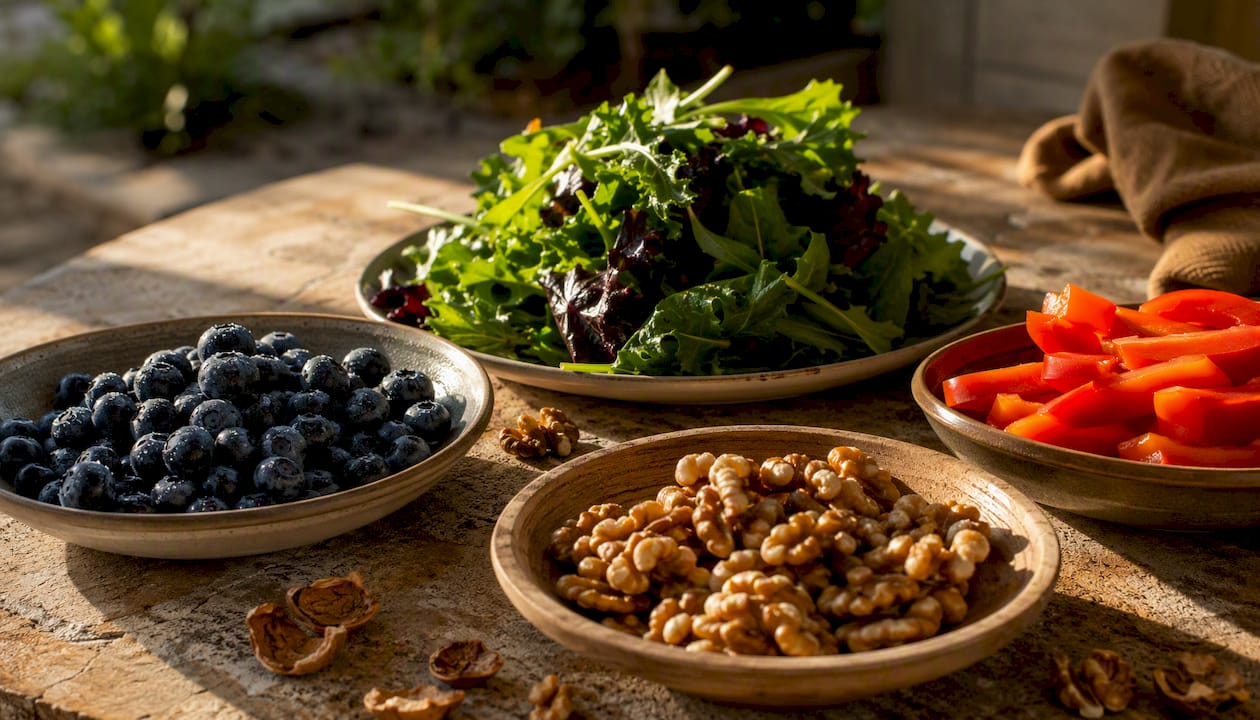
Micronutrients matter too, even if they rarely get headline attention. Antioxidants from berries, bell peppers, and leafy greens help manage the oxidative stress that exercise creates. Foods rich in omega-3s, like salmon and walnuts, may help reduce post-exercise inflammation over time.
Pro Tip: Dairy-based options like Greek yogurt and cottage cheese deliver both leucine-rich protein and fast-digesting carbohydrates in one food, making them one of the most efficient post-workout choices you can keep in your fridge.
What are the best foods to eat after a workout?
The best recovery foods are whole, minimally processed, and easy to digest. Here is a practical breakdown by category, with approximate protein and carbohydrate notes.
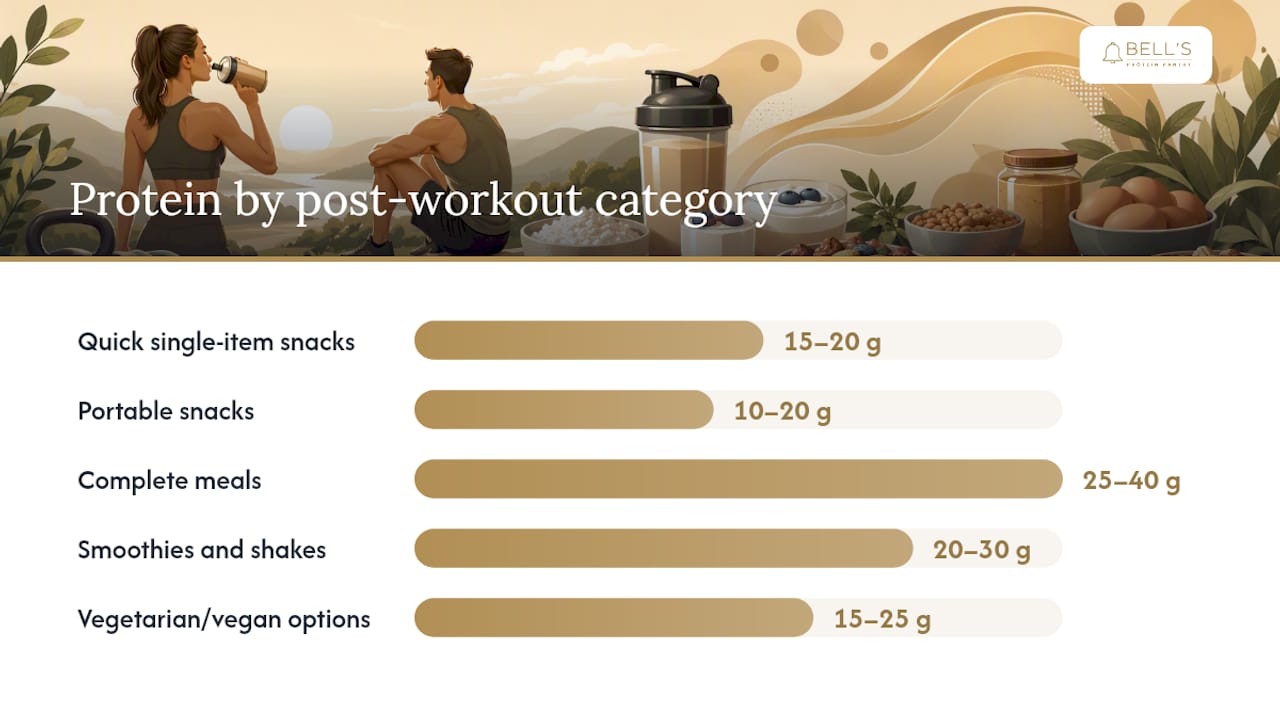
| Category | Example Foods | Approx. Protein | Carb Notes |
|---|---|---|---|
| Quick single-item snacks | Greek yogurt, cottage cheese, chocolate milk | 15–20 g | Moderate (natural sugars) |
| Portable snacks | Hard-boiled eggs, string cheese + fruit, high-protein muffins | 10–20 g | Low to moderate |
| Complete meals | Grilled chicken + rice, salmon + sweet potato, tuna or turkey sandwich on whole-grain bread | 25–40 g | Moderate to high |
| Smoothies and shakes | Whey or plant protein + banana + milk or yogurt | 20–30 g | Moderate (fruit-based) |
| Vegetarian/vegan options | Tofu scramble, lentil bowl, edamame + brown rice | 15–25 g | Moderate to high |
Dairy options deserve a special mention. Greek yogurt, cottage cheese, and low-fat chocolate milk are among the most efficient post-workout foods available. Chocolate milk in particular delivers a natural protein-to-carbohydrate ratio that Cleveland Clinic highlights as well-suited for recovery after moderate-intensity exercise. It also replaces electrolytes lost through sweat.
When speed matters, liquids and smoothies win. A protein shake with fruit is absorbed faster than a solid meal, which is useful if your appetite is low right after training or if you need to eat and move quickly. When satiety matters more, solid meals with fiber and healthy fat keep you fuller longer.
Pro Tip: Oatmeal with a scoop of protein powder stirred in is one of the most underrated post-workout meals. It gives you slow-digesting carbs, a solid protein hit, and it takes five minutes to make.
Sample post-workout meals and snacks with protein estimates
These combos are ready to use. Each includes an approximate protein range so you can hit your 20–40 g target without doing math at the kitchen counter.
- Grilled chicken breast + white rice + steamed broccoli (~35–40 g protein). White rice digests quickly, making it a better glycogen-replenishment choice than brown rice right after training. Prep time: 20 minutes.
- Salmon fillet + sweet potato (~28–35 g protein). Salmon adds omega-3s that may reduce post-exercise inflammation over time. Prep time: 25 minutes.
- Greek yogurt (1 cup) + mixed berries + granola (~15–20 g protein). Fast, no cooking required, and the berries add antioxidants. Portable if you pack it in a jar.
- Protein smoothie: 1 scoop whey + 1 banana + 1 cup milk (~25–30 g protein). The fastest option on this list. Add a tablespoon of nut butter to bring it closer to 30 g.
- Two eggs + two slices whole-grain toast (~18–22 g protein). A classic for good reason. Add a side of fruit to round out the carbs.
- Tuna or turkey sandwich on whole-grain bread (~25–30 g protein). Portable and easy to prep ahead. Tuna also provides omega-3s.
- Cottage cheese (1 cup) + pineapple chunks (~25 g protein). Pineapple contains bromelain, an enzyme with mild anti-inflammatory properties, making this a smart pairing.
- Oatmeal + 1 scoop protein powder + banana slices (~25–30 g protein). Warm, filling, and easy to customize. Works well as a post-morning-workout breakfast.
Vegetarian and vegan swaps:
- Tofu scramble with spinach and whole-grain toast (~20–25 g protein). Use firm tofu and season well. Prep time: 15 minutes.
- Lentil and brown rice bowl with roasted vegetables (~18–22 g protein). Lentils are one of the best plant-based protein sources, and the rice covers your carbs.
- Bell’s Protein Pantry Banana Bread or Blueberry Muffin mix (~17–19 g protein per serving). Bake a batch on Sunday and grab a slice or muffin after your workout all week. Pairs well with a glass of milk or a dollop of Greek yogurt to push toward the 20–30 g range. See the high-protein banana bread guide for prep ideas.
What should you avoid eating right after training?
A few common choices can actually slow your recovery, even when they seem harmless.
- Heavy, high-fat fried foods: A large burger and fries right after a workout delays gastric emptying, which means the protein and carbs you need reach your muscles more slowly. Save the indulgence for a rest day.
- Ultra-processed protein bars: Many commercial bars are highly processed and loaded with sweeteners. Dietitians recommend choosing snacks that balance protein with fiber and micronutrients to avoid blood-sugar spikes and later hunger. Check the label: if sugar alcohols or syrups dominate the ingredient list, put it back.
- Alcohol: Drinking alcohol immediately after training impairs muscle protein synthesis and blunts the hormonal response that drives recovery. It also acts as a diuretic, making rehydration harder.
- Excessive caffeine: A moderate amount of coffee is fine and may even reduce muscle soreness. Large amounts, especially from energy drinks, can interfere with rehydration and disrupt sleep, which is when most muscle repair actually happens.
- Skipping food entirely: Waiting too long to eat after a hard session is one of the most common mistakes. Even a small snack within two hours is better than nothing.
For whole-food snack ideas that avoid the ultra-processed trap, simple combinations like yogurt and fruit or eggs and toast consistently outperform fancy formulas for most recreational athletes.
What does the research actually say about post-workout nutrition?
The science on post-workout nutrition has become clearer over the past decade, and the consensus is more practical than the supplement industry would have you believe.
The core finding: Combining protein and carbohydrates after exercise helps rebuild muscle tissue and restore energy reserves. ISSN-backed guidance supports 20–40 g of protein post-workout alongside adequate carbohydrate intake for recovery. That range holds across most body weights and training styles for recreational athletes.
Key numeric takeaways from the research:
- 1–1.2 g/kg/hr of carbohydrates — in the hours after exercise is the target for endurance athletes needing rapid glycogen restoration, per the Frontiers in Physiology review.
Research consensus: “Eating a combination of carbohydrates and protein after exercise helps rebuild muscle tissue and restore energy reserves.” Total daily protein intake distributed across meals matters as much as any single post-workout meal for long-term muscle adaptations. Prioritize immediate intake when you trained fasted, completed a long endurance session, or have another training session within 8 hours.
The anabolic window is real, but it is wider than the 30-minute myth suggests. For most people who ate a normal meal 2–3 hours before training, eating within two hours post-workout is sufficient. The urgency increases meaningfully only in the specific scenarios above.
Key Takeaways
Eating 20–40 g of protein paired with carbohydrates within two hours of training is the single most effective post-workout nutrition strategy for muscle repair and glycogen replenishment.
| Point | Details |
|---|---|
| Hit your protein target | Aim for an adequate amount of protein in your post-workout meal or snack to support muscle repair. |
| Pair protein with carbs | Carbohydrates restore glycogen; include them at every post-workout meal, especially after endurance sessions. |
| Eat within two hours | Aim to eat within two hours of finishing; sooner if you trained fasted or had a very intense session. |
| Hydrate strategically | Use water for short sessions; add electrolytes after long, hot, or high-sweat workouts. |
| Bell’s Protein Pantry mixes | Bell’s baking mixes deliver 17–19 g protein per serving and pair with milk or Greek yogurt to reach the 20–30 g post-workout target. |
What we think about post-workout nutrition
The conversation around post-workout food gets overcomplicated fast. Supplement companies have a financial interest in making recovery feel like a precise science that requires their product. The actual research tells a simpler story: eat real food, hit your protein target, include carbs, and do it within a reasonable window.
What gets underestimated is how much the quality of your everyday meals matters compared to the timing of one post-workout snack. Someone who consistently eats 20–30 g of protein at each meal, sleeps well, and stays hydrated will recover better than someone who obsesses over a 30-minute window but skips breakfast and eats poorly the rest of the day. The post-workout meal matters, but it is one piece of a larger pattern.
We also think the “whole food first” principle is worth defending loudly. Eggs and toast, Greek yogurt and fruit, a turkey sandwich on whole-grain bread: these options consistently perform as well as or better than expensive formulas for most recreational athletes. They are also more satisfying, easier to prepare, and far less likely to contain a list of ingredients you cannot pronounce.
The goal is a recovery routine you can actually sustain, not a perfect protocol you follow for two weeks and abandon.
Bell’s Protein Pantry fits naturally into your recovery routine
Real food is the foundation of good recovery, and sometimes the most useful thing is having something ready to grab when you walk in the door after a workout. Bell’s Protein Pantry high-protein baking mixes are built for exactly that moment: 17–19 g of protein per serving, made with all-natural ingredients, and with 39% less sugar than leading brands.

A slice of Banana Bread or a couple of Blueberry Muffins paired with a glass of milk or a spoonful of Greek yogurt gets you to the 20–30 g protein target the research supports, without any prep work on the day. Bake a batch on Sunday and you have a portable, whole-food post-workout snack ready for the entire week. That is the kind of practical setup that actually sticks.
Browse the Bell’s Protein Pantry collection and find the mix that fits your routine.
Useful sources for further reading
- Eating and exercise: 5 tips to maximize your workouts — Mayo Clinic
- NCBI — Sports nutrition / ISSN guidance
- Frontiers in Physiology review (2022) on exercise nutrition
- What to eat before and after a workout | Cleveland Clinic
Recommended
- Best Protein Snacks Before Bed: What to Eat Tonight – Bell’s Protein Pantry
- Best High Protein Snacks for Fitness and Real Results – Bell’s Protein Pantry
- High Protein Weight Loss Snacks That Actually Work – Bell’s Protein Pantry
- Best Road Trip Protein Snacks for Lasting Energy – Bell’s Protein Pantry