
What Are Natural Flavors in Food? A Clear Guide

“Natural flavors” are flavoring ingredients derived from plant or animal sources whose primary function is taste, not nutrition. Under U.S. rules, they’re generally considered safe at typical use levels, but the label tells you almost nothing about what’s actually inside. That gap matters most if you have food allergies, follow a vegan or vegetarian diet, or prefer to limit synthetic processing agents.
Here’s the short version: if you have strict dietary needs or known allergies, look for certified organic products or contact the manufacturer directly before assuming “natural flavor” is safe for you.
- “Natural flavor” = taste ingredient from a plant or animal source
- Generally safe under FDA rules, but processing agents may be synthetic
- Allergens from dairy, eggs, meat, or seafood can hide inside the label
- Organic certification is the fastest shortcut to greater transparency
Key Takeaways
Natural flavors are regulated by source, not by safety or nutritional value, and organic certification remains the most reliable shortcut to limiting synthetic processing agents in your food.
| Point | Details |
|---|---|
| FDA definition by source | Natural flavors come from plant or animal sources; their job is taste, not nutrition. |
| Safety verdict | Generally safe at typical use levels under FDA/GRAS rules, but processing agents and allergen sources can vary. |
| Organic is more transparent | USDA Organic prohibits synthetic solvents and carriers in natural flavors, giving you greater clarity. |
| Verify allergens directly | Contact the manufacturer for an allergen statement if you have dietary restrictions or known food allergies. |
| Bell’s Protein Pantry | Bell’s high-protein baking mixes use clearly listed, all-natural ingredients with 17–19g protein per serving. |
Table of Contents
- What does “natural flavor” actually mean under FDA rules?
- How natural flavors are actually made
- How do natural and artificial flavors actually compare?
- Are natural flavors safe? What the science says
- Can animal ingredients hide inside “natural flavor”?
- How “natural flavor” shows up on ingredient lists
- A practical checklist for shopping smarter
- Our take on ingredient transparency
- Bell’s Protein Pantry uses clearly listed, all-natural ingredients
- Sources
What does “natural flavor” actually mean under FDA rules?
The 21 CFR § 101.22 regulation is where the legal definition lives, and it’s worth reading once. The FDA defines a natural flavor as any substance derived from a specific list of source materials, used primarily to impart flavor rather than nutrition.
That last clause is the key one. A natural flavor’s job is to make food taste a certain way. It contributes essentially no protein, fiber, vitamins, or minerals. The Flavor and Extract Manufacturers Association (FEMA) reinforces this: the natural vs. artificial distinction is about origin and processing method, not about health value.
Labeling rules under the same CFR section require that flavors be identified as “natural,” “artificial,” or a combination of both. When a flavor is the product’s defining taste, such as the strawberry in strawberry yogurt, it becomes a “characterizing flavor” and the label must call it out by name. If that taste comes from a mix of natural and artificial sources, the label must say “natural and artificial strawberry flavor.” These rules give manufacturers some flexibility, but they don’t require listing the specific plant or animal source behind a generic “natural flavor” declaration.
How natural flavors are actually made
The word “natural” suggests something simple, like squeezing a lemon. The reality is more involved. A peer-reviewed review on natural food flavors in bakery applications describes a range of extraction and production methods that are standard across the industry.
Common source materials include:
- Fruits, vegetables, herbs, and spices
- Bark, roots, leaves, and plant extracts
- Dairy products, eggs, meat, seafood, and poultry
- Fermentation products and edible yeast
Those sources go through one or more processing steps before they become the “natural flavor” listed on your label:
- Distillation or steam distillation to capture volatile aromatic compounds
- Solvent extraction using food-grade or, for nonorganic products, sometimes synthetic solvents
- Cold-pressing for citrus oils and similar materials
- Hydrolysis or enzymolysis to break down proteins into flavor-active compounds
- Fermentation to develop complex flavor profiles from yeast or bacterial activity
- Flavor blending by a trained flavorist who combines multiple extracts into a consistent sensory profile
That last step is where things get layered. A single “natural flavor” entry on an ingredient list can represent a proprietary blend of dozens of compounds, along with carriers (like propylene glycol or vegetable glycerin), emulsifiers, and preservatives. For nonorganic products, The New York Times reports that synthetic solvents and carriers are permitted during processing, even though the final flavor is still labeled “natural.”
Pro Tip: When you want to know more about a specific product’s flavor source, you don’t need to ask for the proprietary formula. Instead, ask: “Does this product’s natural flavor contain any animal-derived ingredients, synthetic solvents, or carriers?” Most manufacturers will answer that question without revealing trade secrets.
How do natural and artificial flavors actually compare?
The formal regulatory difference between natural and artificial flavors comes down to one thing: where the flavoring compound originated. Natural flavors come from plant or animal sources. Artificial flavors are synthesized from non-plant, non-animal starting materials.
That’s it. The chemical compound itself can be identical.
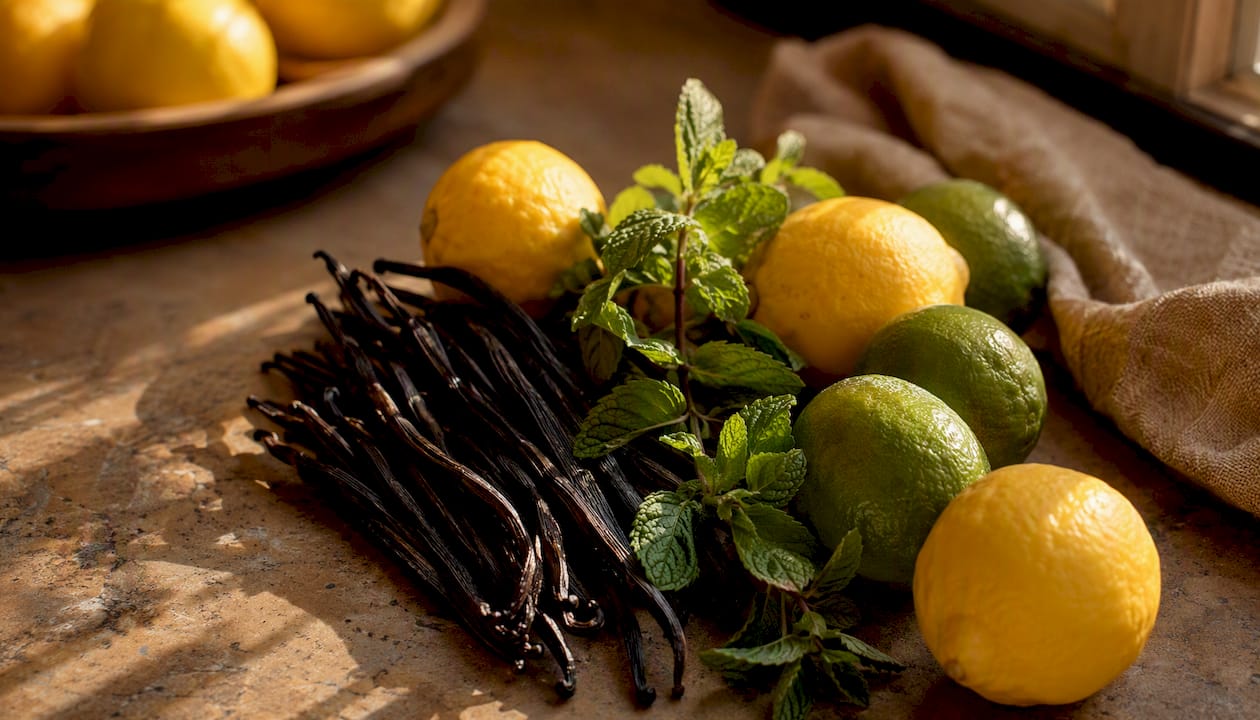
Vanillin is the clearest example. It’s the primary flavor compound in vanilla. Natural vanillin is extracted from vanilla beans. Artificial vanillin is synthesized in a lab. Both are vanillin. Both taste like vanilla. The EWG analysis notes that natural and artificial flavors can contain dozens of undisclosed chemicals and are often chemically indistinguishable. Limonene, the compound that makes citrus smell like citrus, works the same way.
Serious Eats points out that origin alone doesn’t determine safety or desirability. Castoreum, a natural flavoring derived from beaver glands, is technically “natural” under the FDA definition. Most consumers would not consider it preferable to a synthetic alternative.
What organic certification actually changes:
- Organic natural flavors prohibit synthetic solvents, carriers, and artificial preservatives during processing
- The USDA Organic standard restricts which processing aids are allowed, not just the source material
- This means organic-certified flavors give you greater confidence about what’s in the blend beyond the primary flavoring compound
For shoppers who want to limit synthetic processing agents, the organic label is the most reliable shortcut available without contacting the manufacturer directly.
Are natural flavors safe? What the science says
The short answer is yes, at typical use levels. The FDA classifies most flavoring substances as GRAS (Generally Recognized as Safe), meaning they’ve been evaluated and are considered safe when used as intended in food.
That position is consistent across mainstream food science. The distinction between natural and artificial is regulatory, not nutritional. Neither category delivers meaningful vitamins, minerals, or macronutrients.
That said, a few real concerns are worth knowing:
- Undisclosed processing agents: Carriers, solvents, and emulsifiers in a natural flavor blend don’t always appear on the label
- Allergen sources: A natural flavor derived from dairy, eggs, or shellfish can trigger reactions in sensitive individuals
- Anecdotal sensitivities: Some people report symptoms after consuming certain flavored products, even when no allergen is formally present
- Ultra-processed food context: “Natural flavor” appears frequently in highly processed products where the overall nutritional profile, not the flavoring itself, is the bigger health concern
If you notice a pattern of symptoms after eating a specific flavored product, stop consuming it, check the full ingredient list, contact the manufacturer for an allergen statement, and consult a healthcare provider. The EatingWell explainer on natural flavors reinforces that flavors are used for taste enhancement only, and that people with allergies should always verify flavor sources before assuming safety.
Can animal ingredients hide inside “natural flavor”?
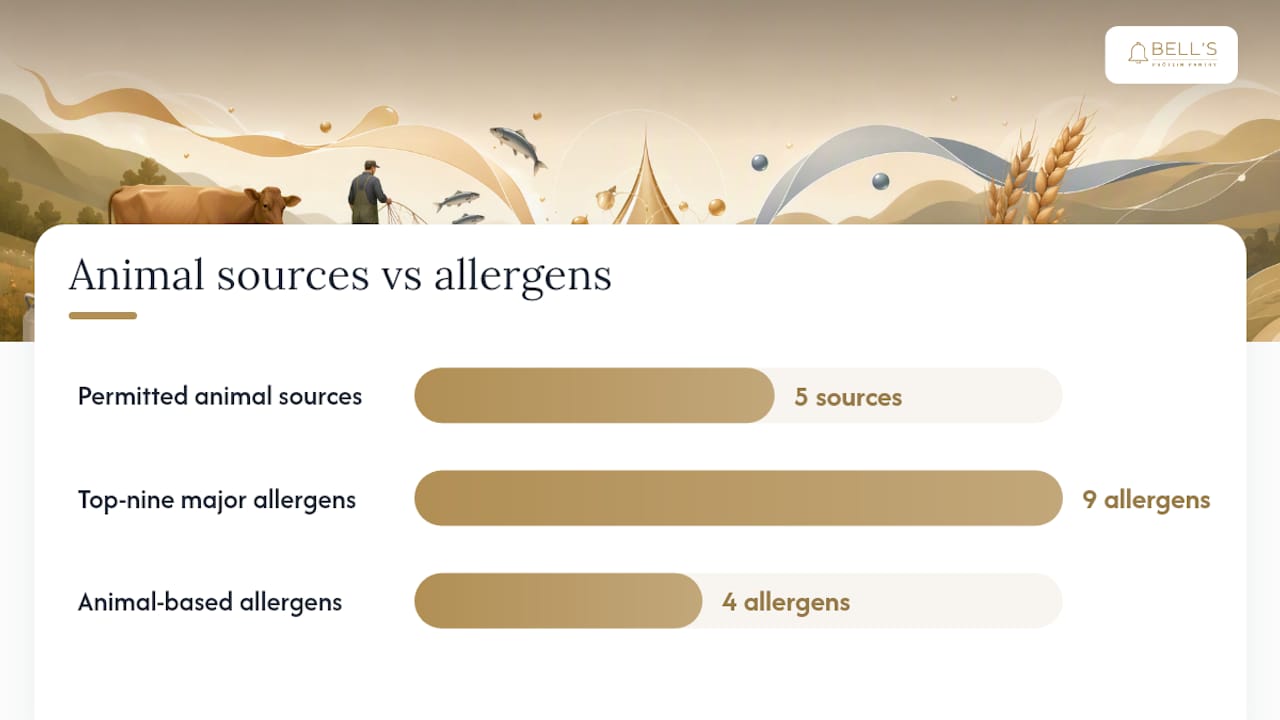
Yes, and this is the transparency gap that matters most for people with allergies or those following vegan or vegetarian diets. “Natural flavor” can legally be derived from dairy, eggs, meat, seafood, or poultry, and manufacturers are not required to list the specific source on the ingredient line.
The allergen rules do provide some protection. Under the Food Allergen Labeling and Consumer Protection Act, if a natural flavor contains one of the top nine major allergens (milk, eggs, fish, shellfish, tree nuts, peanuts, wheat, soybeans, or sesame), that allergen must be declared on the label, either in the ingredient list or in a “Contains” statement. So a natural flavor derived from milk would require a milk disclosure.
The gap is narrower than it sounds, but it still exists. Proprietary blends can contain secondary animal-derived ingredients that don’t rise to the level of a major allergen. For people managing specific dietary restrictions or medication interactions, that gap is meaningful.
- Dairy, egg, meat, seafood, and poultry are all permitted natural flavor sources
- Top-nine allergens must be declared if present in a flavor
- Non-allergen animal sources (like certain meat extracts) may not appear on the label
- Certified vegan or vegetarian labels are the most reliable signal for animal-free flavors
Pro Tip: Before buying a product for someone with allergies or strict dietary needs, send the manufacturer this question: “Does your natural flavor contain any animal-derived ingredients, and can you confirm it’s free from [specific allergen]?” A reputable brand will respond with a clear allergen statement.
How “natural flavor” shows up on ingredient lists
Walk down any grocery aisle and you’ll see “natural flavor” on labels ranging from sparkling water to protein bars. EWG research identifies it as one of the most commonly listed ingredients in processed foods. Understanding what each variation on the label actually means helps you shop with more confidence.
Common label variations and what they signal:
- “Natural flavor” — a flavoring from plant or animal sources; source not specified
- “Natural and artificial flavor” — a blend of both; the characterizing flavor rule may apply
- “Strawberry flavor” or “natural strawberry flavor” — the flavor is the product’s defining taste; must be labeled by name under characterizing-flavor rules
- “With other natural flavors” — additional flavor compounds beyond the named one are present
Manufacturers prefer the generic “natural flavor” label for two reasons. First, it protects proprietary formulas. A specific source declaration could reveal a competitive advantage. Second, consumer research consistently shows that “natural” language performs better in marketing, even when the actual flavor compound is chemically identical to its artificial counterpart.
For readers who want to go deeper on clean-label principles and what these terms mean in practice, the distinction between a clean label and a transparent one is worth understanding separately.
A practical checklist for shopping smarter
You don’t need to avoid every product with “natural flavor” on the label. You do need a quick system for deciding when to dig deeper and when to move on.
- Choose certified organic when it matters most. USDA Organic products prohibit synthetic solvents and carriers in natural flavors. If you’re buying for someone with sensitivities, organic is the faster path to clarity.
- Look for product-level certifications. Non-GMO Project Verified, Certified Vegan, and Certified Vegetarian labels each carry independent verification that goes beyond the FDA’s flavor rules.
- Check for an explicit allergen statement. “Contains: milk, soy” tells you more than the ingredient list alone. If no statement is present and you have a top-nine allergy, contact the manufacturer.
- Prioritize whole-food ingredients. A product where the first five ingredients are recognizable foods, not flavor compounds, is generally a safer bet regardless of what the flavor entry says.
- Ask manufacturers directly. Use this question: “Does your natural flavor contain animal-derived ingredients, synthetic solvents, or carriers? Can you provide an allergen statement?” Most brands with nothing to hide will answer promptly.
- Read the full ingredient list, not just the front panel. “Made with real fruit” on the front doesn’t mean the flavor inside is fruit-derived.
Pro Tip: Don’t let a single ingredient label derail an otherwise solid nutritional choice. A product with 20g of protein, minimal added sugar, and whole-food ingredients is a good choice even if “natural flavor” appears near the bottom of the list. Focus on the full picture, not one line item.
For readers building a home-baking routine with whole-food ingredients, skipping packaged flavors entirely is always an option.
Our take on ingredient transparency
We think about this a lot at Bell’s Protein Pantry, because our customers ask us about it. The honest answer is that natural flavors are common, usually safe, and not inherently something to fear. But “usually safe” and “fully transparent” are not the same thing, and that gap matters for real people making real decisions.
The trade-off is real. Convenience costs something in ingredient clarity. A packaged product that tastes great and fits your macros may still contain a flavor blend you can’t fully trace. That’s not a scandal; it’s just how the food supply works. What we’d push back on is the idea that “natural” on a label is a meaningful health signal. It isn’t. It’s a sourcing descriptor, not a nutrition claim.
What actually matters is the full ingredient list, the overall nutritional profile, and whether the brand is willing to answer a direct question about allergens and processing. Those three things tell you more than any front-panel claim ever will.
Bell’s Protein Pantry uses clearly listed, all-natural ingredients
If you’ve been reading this and thinking, “I just want a product where I can see exactly what’s in it,” that’s exactly why we built Bell’s Protein Pantry.

Our high-protein baking mixes use clearly listed, all-natural ingredients with no hidden flavor blends to decode. Each mix delivers a high amount of protein per serving and 39% less sugar than leading brands, so you’re getting real nutritional value alongside great taste. Our Banana Bread mix is a good place to start if you want to see what a clean, clearly labeled ingredient list looks like in practice.
Disclosure: Bell’s Protein Pantry is the publisher of this article.
Ready to bake something you can feel good about? Browse our full mix lineup and see the ingredient list for yourself.
Sources
- 21 CFR § 101.22 - Food labeling: flavor
- Are ‘Natural Flavors’ Really Natural? - The New York Times
- Natural and Artificial Flavor: What’s the Difference - EWG
- Natural food flavours: a healthier alternative for bakery industry — a review - PMC
- What Do Natural Flavors Mean on the Ingredients List? - EatingWell
- Frequently asked questions about flavors - FEMA Flavor
- Here’s Why Natural and Artificial Flavors Aren’t What They Seem - Serious Eats
Recommended
- Clean Label Snacks: What They Are and Why They Matter – Bell’s Protein Pantry
- Banana Bread Without Sugar: A Naturally Sweet Guide – Bell’s Protein Pantry
- Low Sugar Baking: Easy Swaps & Recipes for Home Bakers – Bell’s Protein Pantry
- Fiber and Protein Snacks: Your Home-Baking Guide – Bell’s Protein Pantry