
Pre Workout Protein Snacks for Performance and Energy

The simplest pre workout protein snack strategy is a portable combo that delivers protein plus fast carbs. Aim for a roughly 2:1 carb-to-protein ratio and an appropriate amount of protein scaled to your session length and intensity. Here are six options you can grab today:
- Whey shake + banana (protein and carbohydrate content suited for 30–45 min out; digests fast and hits the target macros cleanly)
- Greek yogurt + granola (protein and carbohydrate content suited for 45–60 min out; creamy, filling, and easy to portion)
- Bell's Protein Pantry Blueberry Muffin: bake ahead, grab and go,eat 45–60 min before training
- Bell's Protein Pantry Banana Bread: bake ahead, grab and go, eat 45–60 min before training
- Cottage cheese + sliced banana (protein and carbohydrate content suited for 60–90 min out; slower digesting)
- Protein energy bar (check label for adequate protein and carbohydrate content): the true grab-and-go option for travel or early mornings.
- Rice cakes + nut butter + whey shake (protein and carbohydrate content suited for 45–60 min out): quick to assemble
For tight windows under 30 minutes, go liquid: a whey shake alone digests faster than any solid food and keeps GI distress low.
Table of Contents
- Why does timing your pre-workout snack actually matter?
- What should you actually prioritize in a pre-workout snack?
- High-protein snack ideas with macros for every timing window
- How much protein do you actually need before a workout?
- Why high-protein baked snacks are an underused pre-workout option
- What should you avoid eating right before a workout?
- Key Takeaways
- Why we believe baked snacks are the most consistent pre-workout strategy
- Bell’s Protein Pantry baking mixes: a practical pre-workout muffin solution
Why does timing your pre-workout snack actually matter?
Timing changes more than you might expect. When you eat affects how much fuel is actually available when your first set begins, how comfortable your stomach feels mid-session, and whether your muscles have circulating amino acids ready to limit breakdown during hard efforts.
Pairing carbs with protein before workouts improves both performance and recovery, but the right window depends on what you eat. A full mixed meal needs 2–3 hours to clear your stomach comfortably. A smaller, simpler snack, like yogurt and fruit or a protein shake, is ready to work in 30–90 minutes. Eat too close to training with the wrong foods and your body diverts blood to digestion instead of working muscles.
The two windows to know:
- 30–60 minutes out: fast-digesting carbs + whey protein; keep fat and fiber low; liquid or semi-liquid options work best
- 60–120+ minutes out: more flexibility; mixed snacks with moderate fat and fiber are fine; cottage cheese or casein-based options extend amino-acid availability through longer sessions
Pro Tip: If you have only 15–20 minutes before training, skip solid food entirely. A whey shake with water or a small glass of juice gives you fast carbs and protein without the GI drag of a muffin or bar eaten too close to your warm-up.
For early-morning lifters with low appetite, even a half-scoop of whey in water plus a piece of fruit is enough to shift the body out of a fasted state and reduce muscle breakdown without making you feel heavy.
What should you actually prioritize in a pre-workout snack?
Lead with carbs and protein. That is the short answer. Fat and heavy fiber slow gastric emptying, which means fuel arrives later and your stomach works harder during training. Sports nutrition experts consistently flag high fat and high fiber immediately before exercise as the most common cause of mid-workout sluggishness.
The macro targets to keep in mind:
2:1 carb-to-protein ratio is the widely recommended balance for pre-workout snacks. For muscle-focused sessions, aim for 20–30 g protein and 30–60 g carbs, with fat kept under 10–15 g.
For anyone prioritizing muscle building, the leucine threshold matters. Reaching roughly 2.5–3 g of leucine from your protein source is what actually triggers muscle protein synthesis (MPS). A single scoop of whey typically delivers that. Greek yogurt gets close. Cottage cheese takes longer to digest but still hits the mark if you eat it earlier.
On protein source speed: whey is the fastest-digesting option and the clear choice when eating within 60 minutes of training. Casein and cottage cheese digest more slowly, which makes them better suited for snacks eaten 90 minutes or more before a session. That distinction is worth building into your routine, not just knowing in theory.

High-protein snack ideas with macros for every timing window
These options cover tight timing under 60 minutes, medium windows of 60–90 minutes, and longer lead times of 90–120+ minutes. Use the table to match your schedule, then prep accordingly.
| Snack | Protein (g) | Carbs (g) | Fat (g) | Calories (approx.) | Prep Time | Best Timing Window |
|---|---|---|---|---|---|---|
| Whey shake + banana | 25–30 | 30–40 | 2 | — | 2 min | 30–45 min out |
| Greek yogurt + granola | 18–22 | 25–35 | — | — | 2 min | 45–60 min out |
| Bell's High-protein muffin or Bread (baking mix) | 17–19 | 38 | — | — | Batch prep | 45–60 min out |
| Cottage cheese + banana | 18–22 | 25–30 | 3 | — | 3 min | 60–90 min out |
| Rice cakes + whey shake | 20–25 | 30–40 | 2 | — | 3 min | 45–60 min out |
| High-protein banana bread slice | 17–19 | 24–30 | — | — | Batch prep | 45–60 min out |
| Protein energy bar (quality label) | 15–20 | 25–40 | — | — | — | 30–60 min out |
| Hard-boiled eggs + fruit | — | 15–25 | — | — | — | 60–90 min out |
Macro ranges are approximate and vary by brand, serving size, and recipe.
Portable baked options deserve a special mention. A tray of high-protein muffins cooling on your counter Sunday afternoon means you have a ready snack every morning of the week. Here is how to make that work:
- Bake a batch using Bell's High-protein muffin mix that delivers 17–19 g protein per serving with controlled sugar
- Cool completely, then wrap individually and freeze; they reheat in 60 seconds
On leucine: the whey shake + banana combo and the Greek yogurt options both get close to or clear the 2.5–3 g leucine threshold on their own. Cottage cheese and egg-based snacks may need a small whey add-on (half scoop) to hit that target if muscle building is the priority.
How much protein do you actually need before a workout?
A practical target for most pre-workout snacks is 15–30 g protein paired with 25–60 g carbohydrates, scaled to session length and goal. For most people doing a 45–60 minute strength or cardio session, 20–25 g protein hits the sweet spot. Going above 40 g pre-workout rarely adds benefit for most training goals and can slow digestion.
The leucine logic explains why the 20–30 g range works so well. At that amount, most quality protein sources supply the 2.5–3 g leucine needed to flip on MPS. A single whey scoop typically delivers this. One cup of Greek yogurt gets close. Two hard-boiled eggs alone do not, which is why pairing them with a small whey shake or a high-protein baked good makes sense.
Quick calculation examples:
- High-protein muffin + fruit: — ≈19–23 g protein, 30–40 g carbs; batch-prep friendly; 45–60 min out
Pro Tip: If your session runs longer than 60 minutes or you are in a hypertrophy phase, push toward the higher end of the range: 25–30 g protein and 40–60 g carbs. For a shorter, lower-intensity session, 15–20 g protein with 25–35 g carbs is plenty. Matching protein to training demand keeps you fueled without unnecessary calorie load.
For low-intensity sessions like yoga or a brisk walk, a strict pre-workout protein snack is often unnecessary if your daily protein intake is already on track. Save the focused fueling for HIIT, heavy lifting, and sessions over 45 minutes.
Why high-protein baked snacks are an underused pre-workout option
Quality high-protein baked goods give you something most grab-and-go options cannot: predictable macros and a digestion profile you can plan around. When you know a muffin delivers 17–19 g protein and roughly 24–28 g carbs with controlled fat, you can time it confidently without guessing.
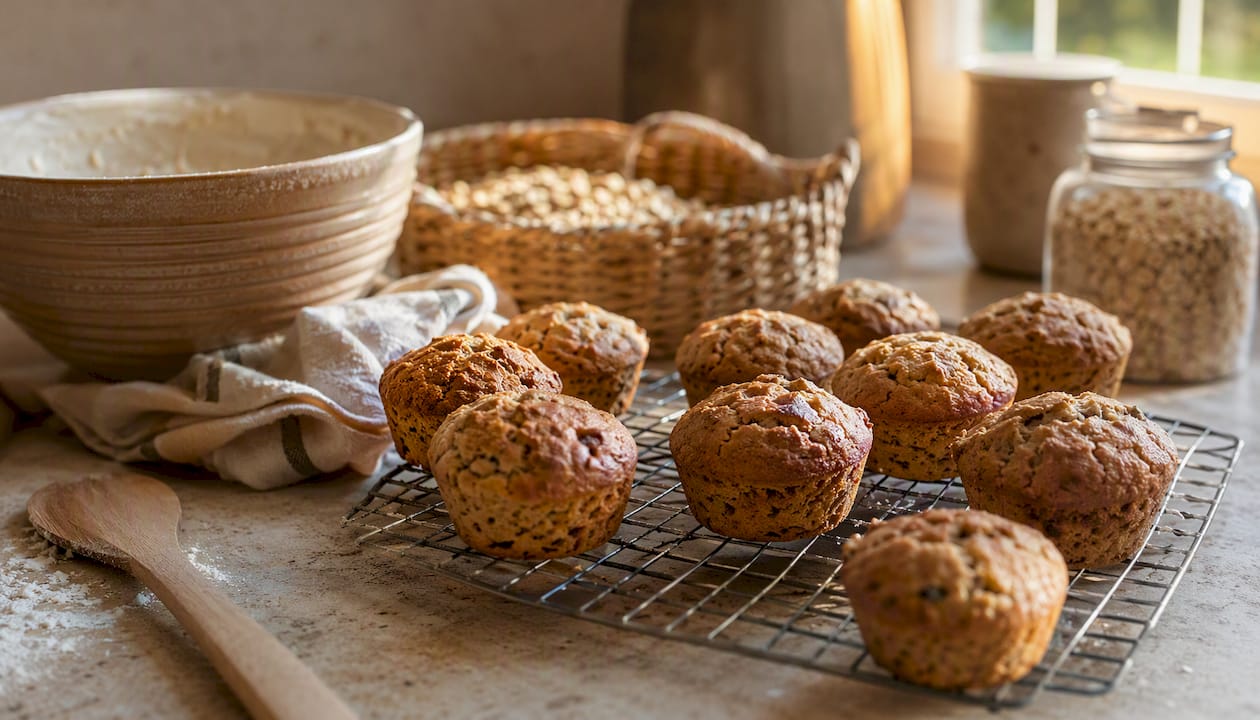
Registered dietitians who specialize in sports nutrition point to batch-prepped baked goods and repeatable snack combos as a key driver of fueling consistency. The reasoning is practical: decision fatigue is real, and when you have to think about what to eat 45 minutes before a workout, you often skip it entirely. A muffin already in your bag removes that friction.
The batch-prep habit is the actual unlock here. Bake once, freeze in individual portions, reheat as needed. That routine turns a “sometimes” fueling habit into a “before every session” habit, which is where the real performance and recovery gains accumulate over weeks and months.
Pro Tip: To adjust digestion speed in your baked snacks, reduce oats or added fiber for a faster-digesting muffin you can eat closer to training. Use Bell's protein baking mixes with whey to control both protein quality and how quickly the snack clears your stomach.
For readers who travel to the gym or train away from home, a portable protein snack like Bell's protein mixes baked in advance and individually wrapped are genuinely easier to manage than assembling a yogurt bowl in a gym parking lot.
What should you avoid eating right before a workout?
The core rule: avoid high-fat and high-fiber foods close to training, and never try an unfamiliar food on a training day. Your gut does not need surprises when you are about to push hard.
Specific things to skip in the 60 minutes before training:
- Large, greasy meals (burgers, fried food, heavy pasta dishes): slow to digest, divert blood flow to the gut
- High-fiber vegetables and legumes (beans, broccoli, raw cruciferous veg): cause bloating and GI discomfort under physical stress
- Heavy nut-based snacks (large portions of nut butter, mixed nuts): high fat content delays gastric emptying
- Excessive caffeine combined with high sugar (energy drinks with 40+ g sugar): can spike and crash blood sugar mid-session
- Whole dairy in large amounts (full-fat milk, heavy cream-based drinks): fat content slows digestion significantly
On hydration and caffeine: drink 16–20 oz of water in the hour before training. If you use caffeine, 30–60 minutes before a session is the standard timing for performance benefit. Avoid stacking caffeine with a heavy sugary drink, which tends to cause an energy dip right when you need to be at your best.
Key Takeaways
The most effective pre-workout protein snack combines fast-digesting carbs with 20–30 g protein in a roughly 2:1 carb-to-protein ratio, eaten 30–90 minutes before training.
| Point | Details |
|---|---|
| 2:1 carb-to-protein ratio | Target roughly twice as many carbs as protein grams for fast fuel and muscle support. |
| 15–30 g protein target | Most sessions need 15–30 g protein; aim for 20–30 g when building muscle or training over 60 minutes. |
| Limit fat and fiber close to training | Keep fat under 10–15 g and fiber low when eating within 60 minutes of your session. |
| Top three snack pairings | Bell's high-protein muffin + small fruit; Whey shake + banana; Greek yogurt + granola |
| Bell’s Protein Pantry baking mixes | Deliver 17–19 g protein per serving with 39% less sugar than leading brands, making them a practical batch-prep pre-workout option. |
Why we believe baked snacks are the most consistent pre-workout strategy
Most pre-workout nutrition advice focuses on what to eat. We think the harder question is what you will actually eat, consistently, before every session. That is where baked goods win.
A shake requires a blender, protein powder, and a banana all in the same place at the same time. Greek yogurt needs refrigeration. But a high-protein muffin you baked on Sunday? It is in your gym bag, wrapped and ready, with zero morning decisions required. That consistency is what moves the needle over a month of training, not the perfect macro split on any single day.
We also think the “baked goods are too heavy to eat before training” concern is mostly a fat and fiber problem, not a baked-goods problem. A muffin made with a quality protein baking mix, controlled sugar, and moderate fat digests very differently from a bakery muffin loaded with butter and refined flour. The macros are predictable. The digestion is manageable. And honestly, eating something that actually tastes good before a workout makes the whole habit easier to stick to.
That is the philosophy behind Bell’s Protein Pantry: real food that fits your routine, not a compromise between taste and nutrition.
Bell’s Protein Pantry baking mixes: a practical pre-workout muffin solution
A high-protein baking mix is one of the most sensible grab-and-go pre-workout options you can build into your week. It gives you a real food snack with known macros, no refrigeration required, and the kind of taste that makes fueling feel less like a chore.
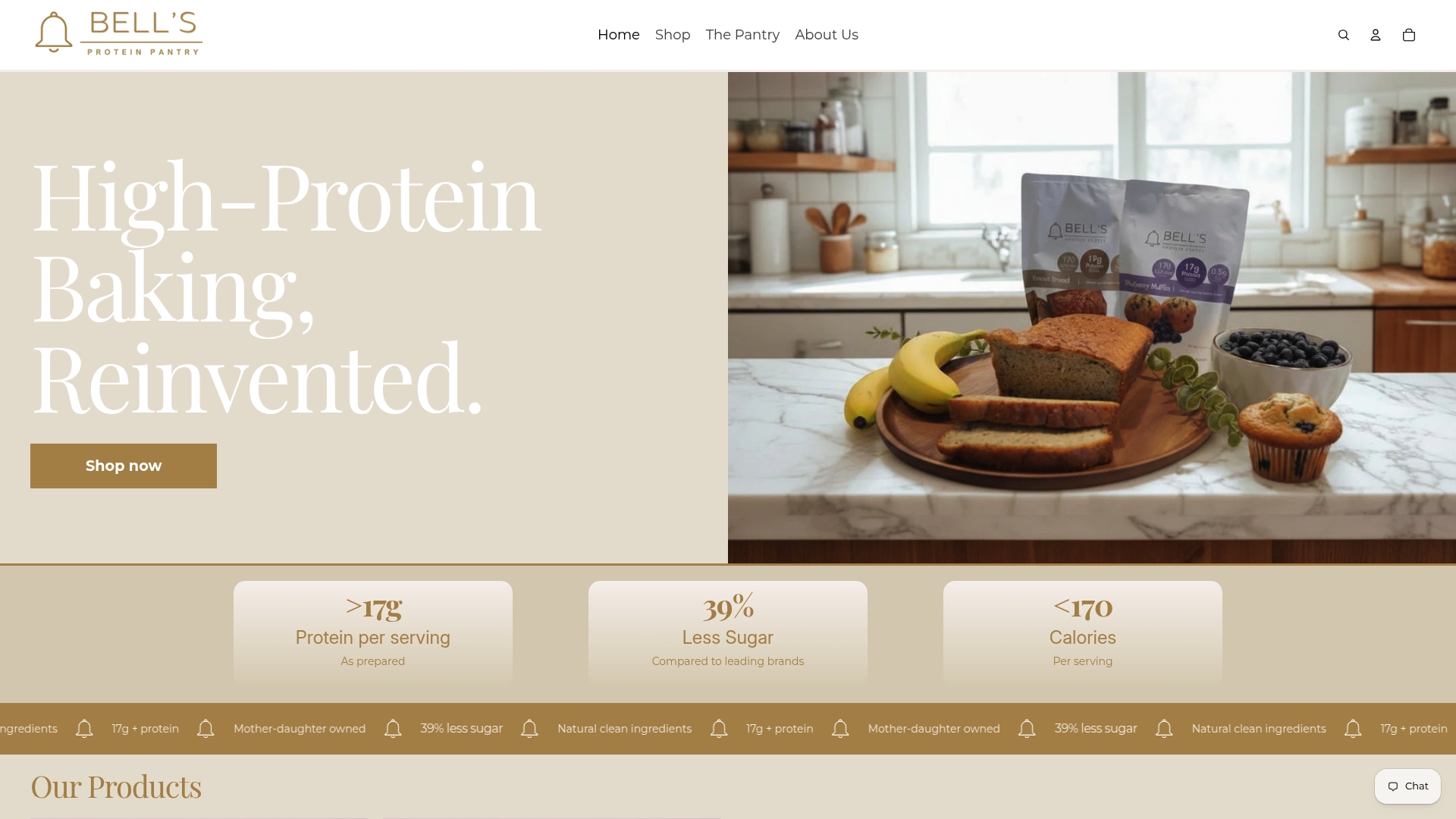
Bell’s Protein Pantry’s Banana Bread mix delivers 17–19 g protein per serving with 39% less sugar than leading brands, using all-natural ingredients. Here is how to turn it into a pre-workout staple in two steps:
- Bake a batch on the weekend. Mix, pour into a muffin tin, bake. Each muffin comes out with a clean macro profile: roughly 17–19 g protein and 24–28 g carbs, with fat kept low enough to eat 45–60 minutes before training.
- Wrap and freeze. Cool completely, wrap individually, freeze. Reheat in 60 seconds the morning of your workout. Pair with a banana or a small glass of juice to hit the 2:1 carb-to-protein ratio.
That is a full week of pre-workout fuel from one baking session. Browse the full range of protein baking mixes at Bell’s Protein Pantry and find the option that fits your training week.
Cited resources and further reading
- How to Snack to Fuel Your Workouts and Recovery — Colorado State University’s Kendall Reagan Nutrition Center; supports timing windows and snack composition guidance
- Pre-Workout Nutrition: What to Eat Before a Workout — Healthline; supports meal timing (2–3 hr vs 30–90 min) and carb-protein pairing for performance
- Best Pre-Workout Snacks for Muscle Gain (With Macros) — Exercise Menu; source for leucine threshold (2.5–3 g), protein source speed (whey vs casein), and macro targets (20–30 g protein, 30–60 g carbs, <10–15 g fat)
- Best Pre-Workout Snacks: Fuel Smart Before You Train — Perfect Snacks; source for 2:1 carb-to-protein ratio guidance
- The Best Pre Workout, High-Protein Snacks (and some to avoid) — The Nourished Path (registered dietitian); supports batch-prep consistency and baked goods as a practical fueling strategy
- Should I Eat Protein Before Or After My Workout? — Women’s Health; supports 15–30 g protein and 25–60 g carbs targets and low-intensity workout guidance
- Bell’s Protein Pantry — brand source for product macros (17–19 g protein per serving, 39% less sugar than leading brands)
Recommended
- Best High Protein Snacks for Fitness and Real Results – Bell’s Protein Pantry
- Portable Protein Snacks for Busy, Health-Conscious People – Bell’s Protein Pantry
- High Protein Weight Loss Snacks That Actually Work – Bell’s Protein Pantry
- Best Road Trip Protein Snacks for Lasting Energy – Bell’s Protein Pantry